
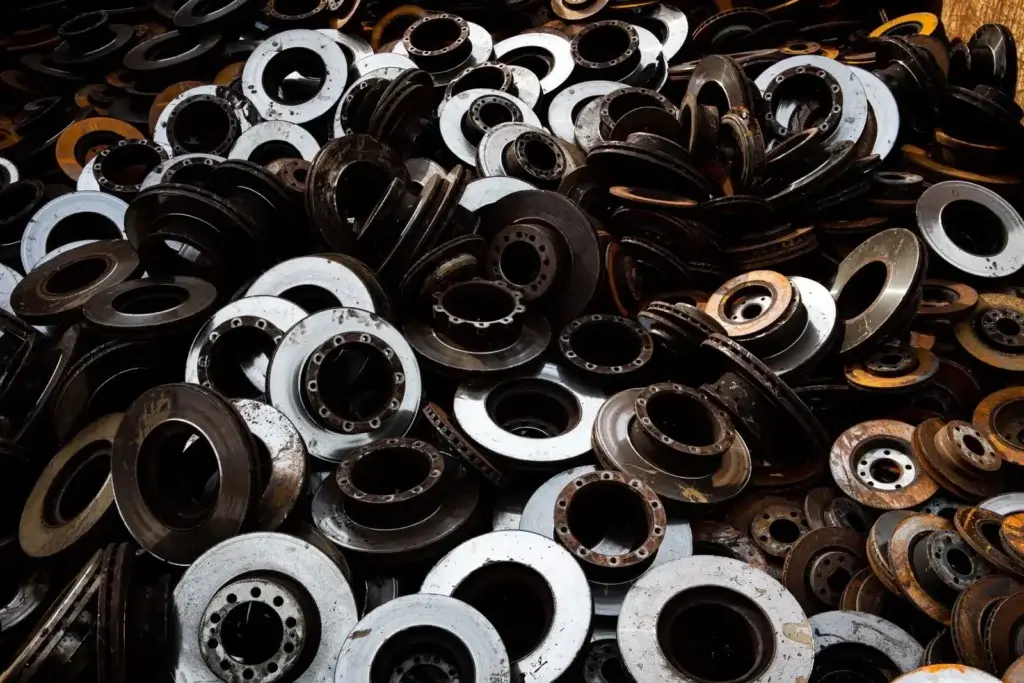
Electroplating lines, mining operations, smelters and battery plants all discharge wastewater and off-gas carrying dissolved metals such as lead, cadmium, chromium, mercury, copper and zinc. Because these metals are toxic, persistent and capable of accumulating through the food chain, regulators in every major market now enforce strict concentration limits on both effluent and drinking water. For plant operators and water treatment engineers, the practical question is rarely whether metals must be removed, but which technology can do it reliably, at trace levels, and at a defensible operating cost. Adsorption onto activated carbon has become one of the most widely deployed answers, valued for its process simplicity, scalability and compatibility with existing treatment trains.
Yes — activated carbon metals removal is a proven and widely adopted process. Activated carbon removes heavy metals from water and gas streams through a combination of physical adsorption, chemical complexation, ion exchange and surface precipitation, and it can reduce metals such as lead, mercury, chromium, cadmium and copper by more than 90 percent when the correct carbon grade, pH range and contact time are applied. Performance does depend on the metal species and the water chemistry, so carbon selection and system design matter as much as the carbon itself.
The sections below explain how the adsorption mechanisms work, what removal performance to expect for each common metal, how to choose between carbon types, and how to design a system that keeps metals reliably below discharge limits.
Is Activated Charcoal Good for Removing Heavy Metals?
Yes. Activated charcoal — more precisely, activated carbon — is good at removing many heavy metals, particularly lead, copper, hexavalent chromium, cadmium and mercury, provided the carbon is correctly selected and operated within its optimal pH window. It is not a universal metal scavenger: dissolved anionic species such as arsenate, and metals weakly attracted to carbon surfaces, need modified grades or complementary treatment.
The performance behind that answer comes from structure. One gram of activated carbon typically exposes 500 to 1,500 square meters of internal surface area in a network of micro-, meso- and macropores, and that surface is decorated with oxygen-containing functional groups that chemically bind metal cations. Published trials consistently show strong results under controlled conditions: coconut shell granular carbon reduced lead by more than 90 percent under optimal pH, and commercial granular activated carbon removed 93 to 98.6 percent of chromium from tannery wastewater in separate studies. The same dual capability — liquid phase and gas phase — lets one media family handle both wastewater polishing and mercury capture in flue gas.
The honest answer also includes boundaries. Standard, unmodified carbon is only moderately effective for some dissolved metal ions, especially when they appear as anions or when strong chelating agents such as EDTA keep them in solution. Capacity is finite, and a saturated bed will let metals break through unless monitoring and replacement are scheduled. Independent extension guidance, including the home water treatment bulletin from Purdue University Extension, classifies carbon as moderately effective for heavy metals and stresses that water should be tested before relying on any single technology. In other words: activated carbon is good for metals removal, but only when matched to the target metal and operated with discipline. A broad carbón activo portfolio exists precisely because different metals call for different raw materials, pore structures and post-treatments.
Industrial Sources of Heavy Metals and Regulatory Limits
Heavy metals enter water and air mainly from mining, metal finishing, smelting, battery manufacturing, tanning and waste incineration, and the concentrations that trigger mandatory treatment are extremely low — often below 0.1 mg/L — which is why adsorption polishing with activated carbon has become standard practice across these industries.
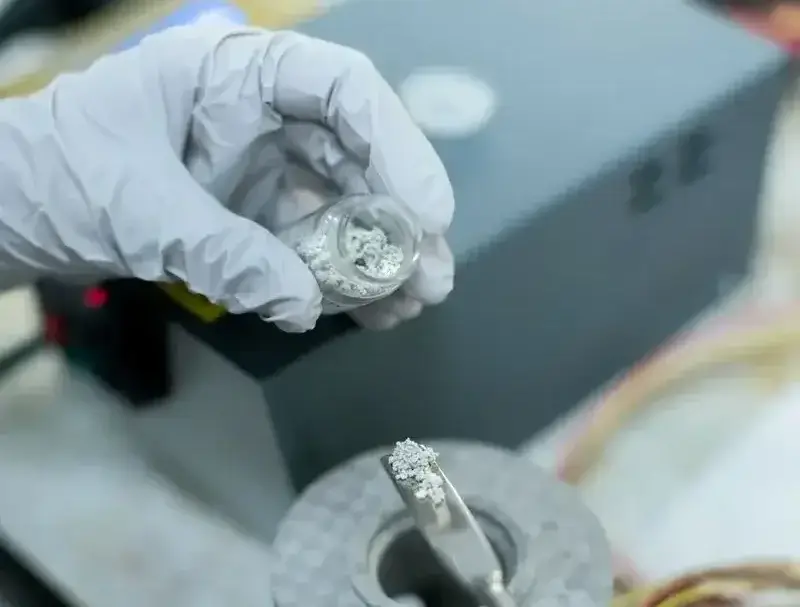
Where Metal Pollution Comes From
Sources differ by sector, but the recurring industrial origins are:
- Mining and ore processing: acid mine drainage and leachates carrying iron, manganese, copper, zinc, cadmium and arsenic from tailings and waste rock.
- Electroplating and surface finishing: rinse waters rich in hexavalent chromium, copper, nickel and zinc from plating, pickling and etching baths.
- Smelting and refining: lead, cadmium and arsenic released in both process water and furnace off-gas.
- Battery and electronics manufacturing: lead, nickel, cadmium and mercury streams from pasting, formation and etching steps.
- Tanning and pigment production: chromium(III) and heavy metal colorants in effluent.
- Coal combustion and waste incineration: mercury vapor and particulate-bound metals in flue gas.
- Aging infrastructure: lead and copper pickup from corroding plumbing, relevant to drinking water systems.
Discharge and Drinking Water Limits
Regulatory limits set the treatment target. In the United States, the EPA’s National Primary Drinking Water Regulations define enforceable maximum contaminant levels for the metals most relevant to industrial dischargers:
| Contaminant | U.S. EPA limit (mg/L) | Typical industrial source |
| Plomo | 0.015 (action level) | Battery plants, smelting, plumbing corrosion |
| Mercury (inorganic) | 0.002 | Chlor-alkali, instrument and lamp manufacturing |
| Cadmium | 0.005 | Electroplating, battery and pigment production |
| Chromium (total) | 0.1 | Electroplating, tanning, steel and pulp mills |
| Arsénico | 0.010 | Mining, smelting, pesticide residues |
| Copper | 1.3 (action level) | Plating, etching, corrosion of copper lines |
| Selenium | 0.05 | Mining runoff, refinery discharge |
Industrial discharge permits are frequently tighter than these drinking water values, pushing effluent targets into the micrograms-per-liter range. Bulk removal techniques such as precipitation can reach single-digit milligrams per liter, but the final polishing step that closes the gap to compliance is where activated carbon adsorption earns its place in the treatment train.
How Activated Carbon Adsorbs Metals: The Working Mechanisms
Activated carbon captures metals through four cooperating mechanisms: physical adsorption into its pore network, chemical complexation and ion exchange at oxygen-containing surface groups, surface precipitation under suitable pH conditions, and — in engineered grades — chemical reaction with impregnated reagents. The balance among these mechanisms explains why the same carbon can be excellent for lead and mediocre for manganese.
Physical Adsorption in the Pore Network
Van der Waals forces attract dissolved metal species and metal-containing complexes to the carbon surface, where the enormous internal area stores them. Micropores below 2 nm provide the majority of adsorption energy, while mesopores act as transport highways that shorten the diffusion path. Uptake is fastest in the first minutes of contact as the most accessible sites fill, then slows as ions must travel deeper into the particle.
Chemical Adsorption: Complexation and Ion Exchange
Surface carboxyl, hydroxyl and phenolic groups are the real workhorses for metals. Above a pH that depends on the carbon’s point of zero charge, these groups deprotonate and leave the surface negatively charged, which attracts divalent cations such as Pb²⁺, Cu²⁺ and Cd²⁺ and forms stable inner-sphere complexes. Where a proton is released and replaced by a metal cation, the process is effectively cation exchange — the reason adsorption performance for cationic metals improves as pH rises from 3 toward 7.
Surface Precipitation and Electrostatic Attraction
Under mildly alkaline conditions, hydroxide concentrated at the carbon surface can precipitate metals such as cadmium and zinc as hydroxides directly inside the pores. Sulfur-modified surfaces go further, converting mercury ions into insoluble mercury sulfide. Electrostatic attraction adds a second layer of selectivity: a positively charged surface at low pH draws anionic chromate species, while the same surface repels metal cations — one reason chromium(VI) is best treated in acidic water while cationic metals prefer near-neutral pH.
Impregnated and Modified Carbon
When the target metal resists plain adsorption, engineered grades change the chemistry instead of the geometry. Sulfur and sulfide impregnation create a strong selective sink for mercury and silver; iron oxyhydroxide loading converts weakly adsorbing arsenate into a strongly bound species; oxidation or amination multiplies the number of oxygen- and nitrogen-containing binding sites for cadmium, zinc and copper. The trade-off is that impregnation can consume pore volume, so an carbón activo impregnado should be selected against the specific target metal rather than assumed to outperform standard grades across the board.
Removal Performance for Common Heavy Metals
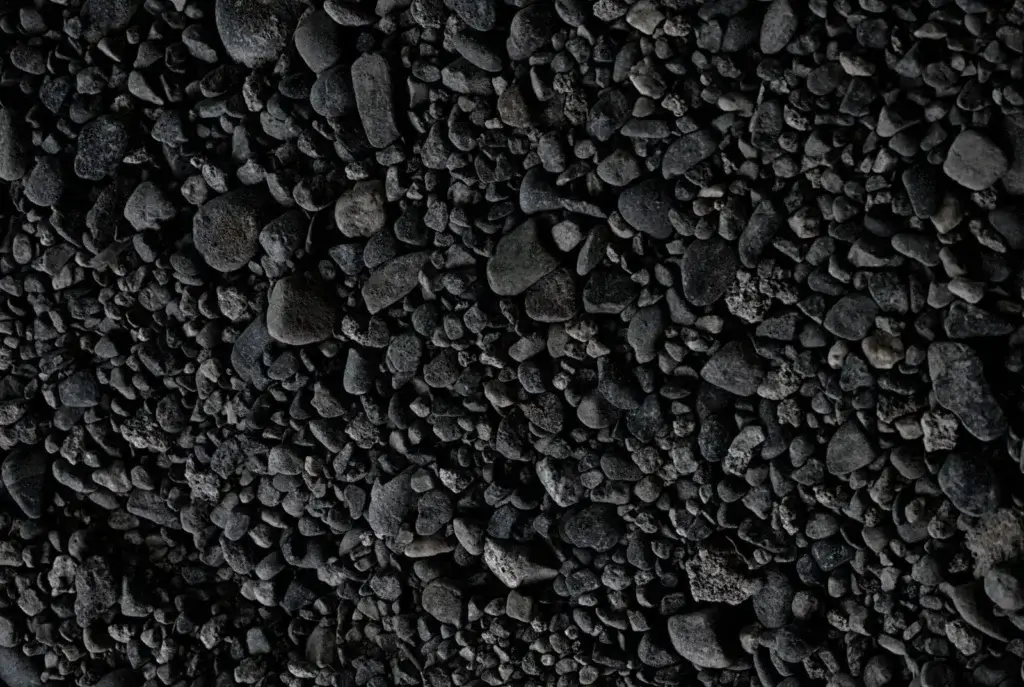
Removal efficiency varies sharply by metal: lead, copper and hexavalent chromium are strongly adsorbed by standard carbons in acidic to neutral pH, cadmium and zinc are moderate and benefit from surface modification, mercury depends on impregnated or sulfided grades, and arsenic generally requires iron-modified carbon. The table summarizes typical operating windows reported across published studies.
| Metal | Common form | Typical optimal pH | Standard carbon performance | Notas |
| Chromium | Cr(VI) chromate | 3–5 | Strong, 80–98% reported | Adsorption coupled with reduction to Cr(III) |
| Plomo | Pb²⁺ | 5–6.5 | Strong, >100 mg/g on modified grades | Among the easiest metals to polish with GAC |
| Copper | Cu²⁺ | 5–6 | Fuerte | High affinity for carboxyl groups |
| Cadmium | Cd²⁺ | 6–7.5 | Moderado | Sulfur or oxygen modification greatly improves uptake |
| Zinc | Zn²⁺ | 5–6 | Moderado | Lower than Cu and Pb; competes with hardness ions |
| Nickel | Ni²⁺ | 6–7 | Moderate, 70–80% | Sensitive to competing metals |
| Manganese | Mn²⁺ | ~6 | Weak to moderate | Often needs metal oxide composite carbon |
| Mercurio | Hg²⁺ / Hg⁰ | <5 liquid; broad gas | Weak standard; strong sulfided | Impregnated grades preferred |
| Arsénico | As(V)/As(III) anions | 5–7 | Weak standard | Iron-modified carbon required |
Chromium (Cr VI)
Electroplating rinse water is the classic source. At pH 3 to 5, the protonated carbon surface electrostatically attracts HCrO₄⁻ while a portion of the hexavalent species is reduced to Cr(III), which then complexes with surface functional groups. Studies cited in the adsorption literature found optimum chromium uptake at 50 mg/L, pH 3 and roughly 90 minutes of contact. Because part of the mechanism is redox, the carbon’s reducing capacity is consumed over time and bed life must be verified with column trials, not isotherms alone.
Lead, Cadmium, Copper and Zinc
These cationic metals follow a shared pattern: adsorption climbs as pH rises from 4 to about 7, complexation with carboxyl and phenolic groups dominates, and hardness ions such as calcium compete for the same sites. Lead responds most readily, with removals above 90 percent routine for suitable grades. Copper binds strongly at pH 5 to 6. Cadmium and zinc sit lower on the affinity scale; oxidation, amination or sulfur modification of the carbon surface can multiply their uptake several-fold. Where effluent targets are below 0.05 mg/L, expect to design for generous empty bed contact time rather than relying on a nominal rating.
Mercury in Water and Gas Streams
Liquid-phase mercury removal is chemistry-sensitive. Vapor-activated carbons made from wood, coconut shell or coal remove high amounts of mercury at pH below 5, with efficiency declining as pH rises; zinc chloride-activated wood carbon maintains capacity even above pH 5. Trace additives shift results measurably: small doses of tannic acid or EDTA raise mercury adsorption by 10 to 30 percent, and calcium ions add another 10 to 20 percent, with the two effects compounding. For gas streams — coal-fired flue gas, natural gas and biogas — sulfided and metal-sulfide-loaded grades are the established choice, and dedicated mercury removal programs pair the carbon grade with bed temperature and moisture control. Saturated mercury carbon can even be heated to sublime and condense the metal back for recovery.
Arsenic and Other Oxyanions
Arsenic appears in water as the anions H₂AsO₄⁻ and HAsO₄²⁻, which standard carbon barely touches. Iron oxyhydroxide-impregnated carbon solves this by providing hydroxide exchange sites that bind arsenate strongly; As(III) should be pre-oxidized to As(V) for reliable results. The same logic covers phosphate, selenite and vanadate. Vanadium is a useful special case: oxidized powdered carbon removed 90 percent of vanadium from a 50 mg/L sodium metavanadate solution, with adsorption peaking between pH 2.5 and 3 — a reminder that oxyanion chemistry rewards grade-specific testing.
Cómo elegir el tipo adecuado de carbón activado
Match the carbon form to the process: granular activated carbon for continuous fixed-bed polishing, powdered activated carbon for batch dosing and emergency response, and pellet or impregnated carbon for gas-phase and specialist metal duties.
Carbón activado granular (GAC)
Particles from roughly 0.5 to 4 mm load into pressure filters and columns, backwash cleanly and last for months of continuous service. For metals polishing, typical designs use 8×30 or 12×40 mesh media at 10 to 20 minutes of empty bed contact time. Mechanical strength matters more than it looks — beds that are backwashed weekly need high abrasion numbers to avoid fines generation, so a hard carbón activado granular, usually shell-based, is the default for water duties.
Carbón activado en polvo (PAC)
Carbón activado en polvo at 200 to 325 mesh is dosed as a slurry directly into tanks, giving fast kinetics because the diffusion path is tiny. It suits batch treatment, seasonal spikes and emergency response to metal excursions, with spent solids removed by sedimentation or filtration. The trade-off is single use: PAC cannot be bed-managed or reactivated economically, so cost control depends on dosing accuracy established by jar testing.
Pellet and Impregnated Carbon for Gas-Phase Duty
Extruded 3–4 mm pellets combine low pressure drop with high mechanical strength, which is what gas streams at industrial flow rates demand. Combined with sulfur or metal-sulfide impregnation, they serve mercury capture duties in incineration, metallurgical and biogas applications.
| Formulario | Typical size | Ideal para | Ventajas | Limitations |
| Granulado (GAC) | 0.5–4 mm | Continuous liquid polishing | Backwashable, long bed life | Requires contactor and breakthrough monitoring |
| En polvo (PAC) | 200–325 mesh | Batch and emergency dosing | Fast kinetics, flexible dosing, low capex | Single use; needs solids separation |
| Pellet / extruded | 3–4 mm | Corrientes de gas | Baja caída de presión, alta resistencia | Less suited to liquid duty |
| Impregnado | Any | Specific metals (Hg, Ag, As) | Chemical selectivity | Higher cost; possible capacity trade-offs |
Key Specifications to Verify Before Purchase
Specifications predict behavior. For liquid-phase metals polishing, check iodine number (900 to 1,100 mg/g is the common band for water treatment), methylene blue adsorption, abrasion number (90 or higher for shell-based media, about 70 for coal-based), ash content, moisture and apparent density. Reference material from the Water Quality Association notes that potable-grade GAC typically falls in the 900 to 1,050 iodine range and that shell carbons lead the industry in abrasion resistance — a reasonable benchmark when comparing quotations. Most important of all: ask suppliers for an adsorption isotherm or column test run on your actual water, because a certificate measured on clean laboratory water says little about your matrix.
Factors That Affect Metals Removal Efficiency
pH is the single most influential variable, followed by contact time, carbon dosage and the concentration of competing ions; getting these four right typically matters more than switching carbon suppliers.
| Factor | Effect on removal | Practical guidance |
| pH | Controls metal speciation and surface charge; cationic metals best at pH 5–7, Cr(VI) at pH 3–5 | Adjust upstream and hold within ±0.5 of the design value |
| Contact time / EBCT | Longer contact raises uptake; metals diffuse more slowly than organics | Design 10–20 min EBCT for liquid polishing; verify by pilot |
| Carbon dosage | More sites raise removal, but marginal gains shrink near saturation | Set dose from isotherm data; batch trials commonly use 0.5–5 g/L |
| Initial concentration | Low mg/L levels adsorb efficiently; high loads exhaust beds quickly | Apply precipitation first above roughly 50–100 mg/L |
| Competing ions | Ca²⁺, Mg²⁺, Na⁺ and chelants such as EDTA or ammonia occupy sites or hold metals in solution | Destroy chelants upstream or add beds in series |
| Temperatura | Moderate warming speeds diffusion; excessive heat can damage surface groups | Ambient operation is normal for liquid duty |
Two of these deserve emphasis in daily operation. pH drift of a single unit can cut cation uptake dramatically at the acidic end while risking hydroxide scaling at the alkaline end, so continuous monitoring with automatic correction pays for itself. Chelating agents are the silent killer of metals adsorption — plating baths that use complexants produce rinse waters in which the metal is technically present but chemically unavailable to the carbon, so pretreatment must address chemistry, not just solids.
System Design and Industrial Applications
In practice, activated carbon works best as a polishing stage inside a treatment train: fixed-bed GAC columns handle continuous flows, PAC dosing covers batch and emergency events, and carbon sits downstream of precipitation, ion exchange or membranes where it protects final discharge quality.
Fixed-Bed Columns for Continuous Streams
Continuous service uses two columns in a lead-lag arrangement: the lead bed takes the metal load, the lag bed protects compliance while the lead bed is swapped. Operators track breakthrough by sampling between the beds, watch differential pressure for fouling, and schedule changeouts on data rather than calendar. Wetted transport and proper drainage keep changeouts clean and fast.
PAC Dosing for Batch and Emergency Treatment
For tanks and batch processes, jar tests establish the dose-response curve, dosing pumps feed PAC slurry ahead of a contact tank, and spent carbon leaves with the solids. This is the go-to configuration for short-duration excursions, seasonal load swings and contingency planning where a fixed bed would sit idle most of the year.
Combining Carbon with Precipitation, Ion Exchange and Membranes
Chemical precipitation with hydroxide or sulfide reduces metal loads from hundreds of milligrams per liter to single digits at low cost; activated carbon then polishes to microgram levels. Ion exchange benefits from carbon upstream because carbon strips organics that would otherwise foul resin. Membrane systems concentrate metals into a brine that carbon can treat as a side stream. In each combination, the design logic is the same: let each technology do the job it is cheapest at, and let carbon handle the final trace-metal duty.
Where It Is Used Across Industries
Real deployments cluster in a handful of settings. Electroplating shops polish rinse water for reuse. Mining operations treat leachates and process water, with dedicated programs for activated carbon for metal removal that overlap with precious metal recovery circuits. General manufacturing uses carbon as the final barrier in industrial wastewater treatment before discharge permits are sampled. Municipal and point-of-use systems rely on carbon for drinking water purification, reducing trace lead and mercury delivered by corroding distribution networks. In gold mining, the same adsorption principles run in reverse: carbon is loaded with dissolved gold in CIP and CIL circuits, then stripped and reactivated for reuse.
Regeneration, Spent Carbon Handling and Cost Considerations
Metals do not desorb easily, so metal-laden spent carbon is usually managed differently from organic-laden carbon: thermal reactivation rarely restores meaningful metals capacity, which makes stabilization and controlled disposal — or metal recovery by chemical digestion — the standard end-of-life routes.
There are exceptions that matter commercially. Mercury can be driven off loaded carbon by heating and recovered by condensation. Precious metals such as gold and silver are deliberately desorbed in strip circuits, after which the carbon is thermally reactivated and returns to service for many cycles — one of the reasons adsorption dominates gold recovery. For ordinary heavy metals, however, the economics point toward disposal: spent carbon is dewatered, tested for leachability, stabilized where required and sent to a licensed facility, with the hazardous-waste classification of the stream often costing more than the fresh media.
A realistic cost model therefore includes more than the price per ton of carbon: bed life driven by the milligrams of metal actually loaded, pressure drop and pumping energy, labor for changeouts, disposal fees, and any metal credit recovered. Two levers dominate long-term cost. First, pre-treatment — removing bulk solids and knocking the bulk of the metal load down with precipitation — extends carbon life by multiples. Second, grade matching: specifying an iodine number far beyond what the target metal uses is money spent on capacity that never gets exercised.
Preguntas frecuentes
How much activated carbon is needed to treat metal-contaminated wastewater?
Start from an isotherm or jar test on your actual water, not from a catalog figure. As planning ranges: batch polishing of streams up to about 10 mg/L metal commonly uses 0.5 to 5 g/L of carbon, while column systems are sized for 10 to 20 minutes of empty bed contact time. Typical loadings range from 20 to 100 mg of metal per gram of carbon for strongly adsorbed metals such as lead and copper under favorable pH, and considerably less for weakly adsorbed species. Pilot columns remain the only reliable way to convert these ranges into a bed life guarantee.
What standards or test certificates should buyers check before ordering?
Ask for a certificate of analysis per production lot covering iodine number (tested per ASTM D4607), particle size distribution, hardness (per ASTM D3802), ash and moisture. For potable water duties, confirm compliance with AWWA B604 for granular carbon or the applicable NSF/ANSI standard for the specific system. Beyond certificates, request the supplier’s adsorption isotherm for your target metal, and ideally a column pilot report — these two documents predict field performance far better than any single specification value.
Can activated carbon handle wastewater that contains both metals and organic pollutants?
Yes, and this is common in electroplating and chemical plant effluents — but the two pollutant families compete for adsorption sites, since organics occupy micropores while metals bind surface functional groups. The usual solution is staging: size the total capacity generously, place beds so the stream that matters most meets the freshest carbon, and monitor both parameters independently for breakthrough. Where organics dominate, carbon-first designs protect downstream ion exchange; where metals dominate, a modified carbon bed ahead of a standard bed protects the metals duty from organic fouling.