Charbon actif catalytique
- Accueil /
- Charbon actif /
- Applications du charbon actif /
- Charbon actif chimique /
- Charbon actif catalytique
Le charbon actif catalytique est conçu pour aller au-delà de l'adsorption classique, ce qui lui permet d'assurer à la fois la capture des contaminants et leur décomposition chimique. Il décompose le sulfure d'hydrogène, les NOₓ et les chloramines à la surface du charbon sans nécessiter d'additifs chimiques, ce qui en fait la solution privilégiée pour les applications avancées de traitement de l'eau et de purification des gaz.
Qu'est-ce que le charbon actif catalytique ?
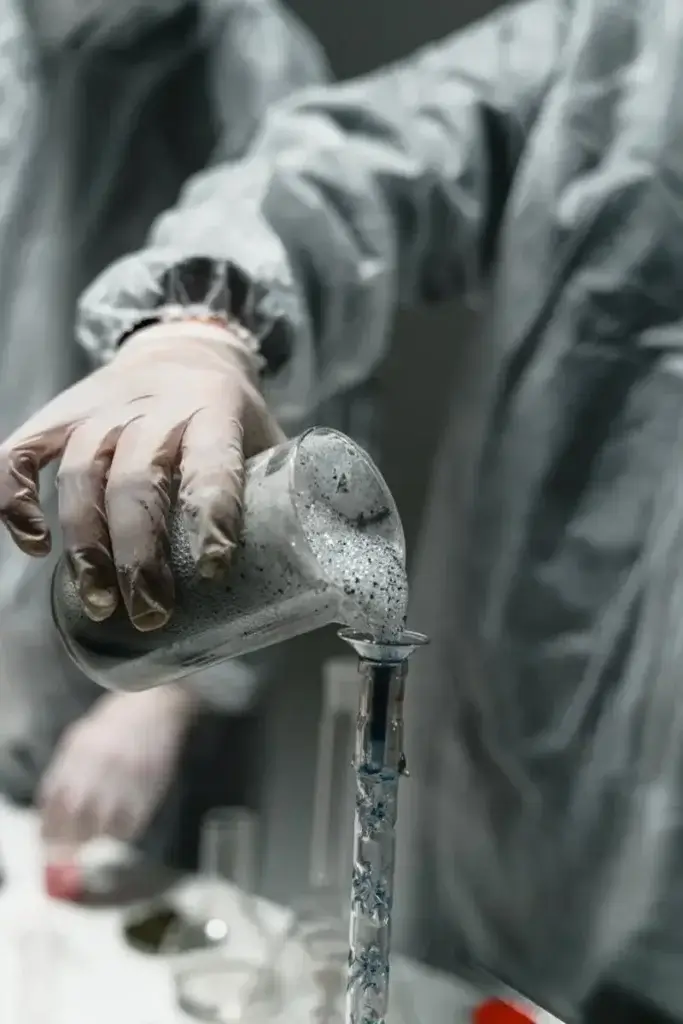
Le charbon actif Catalyst est l'un des types de charbon actif les plus avancés, conçu pour assurer à la fois la sorption et la dégradation catalytique au sein d'une même substance. Il allie la grande surface spécifique et la porosité élevées du charbon actif traditionnel à une chimie de surface améliorée, ce qui permet une réaction chimique directe à la surface du charbon, sans ajout d'agents chimiques supplémentaires.
Contrairement au charbon actif classique, qui capte les polluants par absorption physique et les retient dans ses pores, le PAC intervient dans la décomposition de la substance cible : il brise les molécules et transforme les polluants en sous-produits inoffensifs à la surface du charbon. Cette fonction catalytique peut être obtenue par une oxydation contrôlée de la surface, un traitement thermique spécifique ou l’ajout de catalyseurs au cours de la production, ce qui permet d’obtenir un matériau présentant une vitesse de réaction nettement supérieure face aux oxydants, au chlore et aux gaz soufrés par rapport aux charbons traditionnels.
Le charbon actif FCC trouve de nombreuses applications dans le traitement de l'eau potable en milieu urbain, où il permet de décomposer les chloramines et le chlore sans altérer la structure du charbon. De plus, il est utilisé dans le traitement des eaux usées industrielles, dans les systèmes de dégradation de l'ozone, pour l'élimination du sulfure d'hydrogène du biogaz et des flux de gaz de procédé, ainsi que dans les procédés d'oxydation avancés (AOP), pour lesquels le charbon actif classique n'offre pas de propriétés suffisantes en matière d'élimination des contaminants.
Ce matériau se présente sous forme de charbon actif granulaire (GAC), ce qui lui permet d'être facilement compatible avec le récipient de filtration à lit fixe actuel et les systèmes d'absorption « Touch », sans qu'il soit nécessaire de modifier l'appareil.
Voici la section « Principaux avantages modifiés » consacrée au charbon actif catalytique, qui a été reformatée à des fins de référence.
Principaux avantages du charbon actif catalytique
- Adsorption et décomposition catalytique simultanées en une seule étape de traitement : Le charbon actif catalytique est capable de capturer et de décomposer chimiquement les contaminants cibles directement à sa surface, en une seule étape de traitement. Cela évite d'avoir recours à des systèmes de dosage chimique distincts, à des cuves de réaction supplémentaires ou à l'injection de réactifs supplémentaires, et permet d'assurer efficacement la décomposition des chloramines, la destruction de l'ozone et l'élimination du sulfure d'hydrogène, tant dans les processus de traitement municipaux qu'industriels.
- Durée de vie nettement prolongée par rapport aux charbons actifs de qualité standard : Étant donné qu’il n’y a ni adsorption ni dégradation de la structure poreuse, il est possible de maintenir la fonctionnalité du lit de charbon bien au-delà de celle du charbon actif traditionnel, ce qui permet de réduire la fréquence de remplacement du lit, de diminuer le coût d'utilisation du charbon et de réduire les temps d'arrêt du système dans les stations de traitement de l'eau potable et de l'eau de process.
- Fonctionnement catalytique à sec ne nécessitant aucun réactif chimique externe : Le charbon actif catalytique permet de capturer les contaminants ciblés et de procéder à leur décomposition chimique directement à sa surface au cours d'un seul processus de traitement. Il rend superflus les systèmes de dosage chimique indépendants, les cuves de réaction supplémentaires et l'injection de réactifs supplémentaires, tout en assurant efficacement la décomposition des chloramines, la destruction de l'ozone et l'élimination du sulfure d'hydrogène, tant dans les processus de traitement municipaux qu'industriels.
- Performances catalytiques constantes quelle que soit la composition chimique de l'eau d'alimentation : Conçu pour conserver son activité catalytique sur une large plage de valeurs de pH, de températures, de concentrations en oxygène dissous et de charges ioniques concurrentes, ce produit offre des propriétés stables de dégradation des chloramines et d'élimination des contaminants dans les conditions variables de qualité de l'eau à l'entrée, généralement associées aux réseaux d'eau de process urbains et commerciaux fonctionnant avec des conditions d'alimentation en eau variables.
- Compatibilité immédiate avec l'infrastructure de filtration GAC existante : Le charbon actif FCC peut être installé directement dans un boîtier de filtre existant, un absorbeur à contact ou un système à lit fixe. De plus, sa forme et sa granulométrie standard permettent de transformer un système classique en un système catalytique sans avoir à investir dans un nouvel équipement, à repenser la conception du système ni à interrompre son fonctionnement.
Les défis du secteur
Résistance de la chloramine à l'adsorption standard sur charbon actif
Épuisement accéléré du lit de charbon dû à l'exposition à un oxydant :
Réglementation plus stricte concernant les sous-produits de désinfection de l'eau potable
Présentation du produit
Charbon actif
IND-GC-1240AG
Cas d'utilisation spécifiques — Charbon actif catalytique
Élimination des chloramines dans l'eau potable municipale
Systèmes de filtration de l'eau au point d'utilisation et au point d'entrée
Traitement des eaux usées industrielles et procédés d'oxydation avancés
Élimination du sulfure d'hydrogène dans le biogaz et les gaz de décharge
Les installations agroalimentaires, les stations d’épuration des eaux usées, les usines d’équarrissage, les usines chimiques et les sites de gestion des déchets rejettent tous des émissions nauséabondes contenant du sulfure d’hydrogène, de l’ammoniac, des mercaptans, des amines et divers composés organiques odorants complexes. Ces polluants doivent faire l’objet d’un traitement approprié avant d’être rejetés dans l’atmosphère, non seulement pour respecter les exigences environnementales en matière de qualité de l’air, mais aussi pour limiter au maximum les nuisances pour les zones résidentielles avoisinantes.
Parmi les systèmes de traitement couramment utilisés, on trouve les adsorbeurs à charbon actif à lit fixe, les épurateurs à colonne garnie et les médias filtrants composés de charbon imprégné de produits chimiques. Ces technologies permettent de piéger et d’éliminer efficacement les composants responsables des odeurs présents dans les gaz d’échappement industriels, ce qui permet aux installations de respecter les limites fixées par les autorisations d’émission et d’entretenir de bonnes relations avec la communauté, tout en garantissant un fonctionnement continu et conforme à la réglementation.
Décomposition de l'ozone dans les systèmes de traitement de l'eau et de l'air
Purification des gaz de procédés industriels et maîtrise des odeurs
Les avantages de notre charbon actif catalytique
Décomposition catalytique au-delà de l'adsorption classique
Contrairement au charbon actif traditionnel, qui se contente d'absorber les polluants, le charbon actif FCC détruit chimiquement les chloramines, l'ozone et les sulfures à la surface du charbon, offrant ainsi une purification plus approfondie sans dosage chimique supplémentaire ni étapes de traitement supplémentaires.
Une durée de vie prolongée qui réduit les coûts de remplacement
La dégradation du catalyseur peut transformer les agents oxydants en sous-produits inoffensifs, sans perte de capacité d'absorption ni dégradation de la structure poreuse, ce qui permet à un lit de charbon de conserver ses performances optimales bien plus longtemps qu'un lit standard, réduisant ainsi le taux de remplacement et les coûts globaux d'exploitation.
Compatibilité directe avec les systèmes de filtration GAC existants
Fourni sous forme de particules standardisées conformes aux exigences habituelles en matière de charbon actif granulaire (GAC), le charbon actif FCC s'installe directement dans un réservoir de filtration existant et dans un absorbeur par contact, ce qui permet d'améliorer considérablement les performances sans avoir à investir dans de nouvelles installations ni à interrompre l'activité pendant la conversion.
Voir toutes les catégories de charbon actif
Découvrez toutes nos solutions industrielles
Services d'emballage et de logistique
Emballages sécurisés et personnalisables
Les produits doivent être conditionnés dans un sachet ou un conteneur en vrac résistant et étanche à l'humidité, afin de garantir la propreté et l'intégrité de la marchandise pendant le transport. Des options d'emballage sur mesure sont disponibles pour répondre à des besoins spécifiques en matière de dimensions et de manutention.
Un service d'expédition international fiable et flexible
En collaboration avec des partenaires logistiques fiables, nous proposons un système de livraison flexible pour le fret maritime, aérien et terrestre. Livraison rapide et transport sécurisé vers des destinations dans le monde entier.
Coordination dédiée des commandes et de l'assistance
Nous proposons un accompagnement spécifique pour le suivi et la documentation, depuis la validation de la commande jusqu'à la dernière expédition. Nous mettons à votre disposition une assistance technique et logistique afin de garantir le succès de votre expérience tout au long de la chaîne d'approvisionnement.
Prêt à trouver la solution industrielle qui vous convient le mieux ?
Comment commander !
Envoyez-nous votre demande détaillée ou demandez un devis sur mesure adapté à vos besoins en charbon actif.