Blood Purification Activated Carbon
- Home /
- Activated Carbon /
- Activated Carbon Application /
- Medical Activated Carbon /
- Blood Purification Activated Carbon
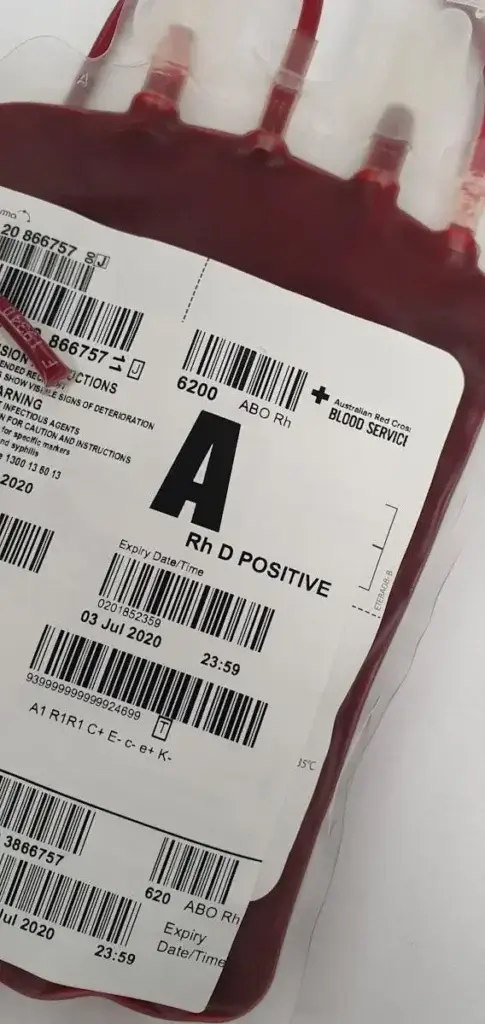
What Is Blood Purification Activated Carbon?
Blood Purification Activated Carbon is a specifically engineered, bio-compatible, pharmaceutical grade active carbon material that is produced according to strict medical equipment quality criteria and is usually coated with a bio-compatibility polymer (e.g., cellulose, albumin, or HEMA) that is intended to be directly exposed to the blood or plasma of an external purifying apparatus comprising a hemoperfusion column, a plasma exchange container, and an artificial hepatic support system.
In ECP, the patient’s blood or plasma is sent out of the body via an activated charcoal apparatus, in which dissolved toxins, drug-overdosage compounds, protein-bound metabolic residues, and inflammatory mediators are absorbed directly on the carbon surface prior to the recovery of the purified blood into the bloodstream of the patient. The mechanism solves the basic disadvantage of traditional blood dialysis — the effective removal of the tiny water soluble molecules, but not sufficient removal of the high-molecular-weight toxic, protein-bound compounds, and lipophile compounds that build up in the event of acute hepatic failure, serious drug poisoning, and fatal disease. Activated charcoal is used to fill this clinical void by providing adsorption based clearance which is complementary to or substitutes for dialysis in the case of life-threatening toxicity or metabolism events.
Biocompatible paint used in blood-purifying PAC is just as important as its adsorbability – avoiding direct contact with the original carbon surface, which could cause complement activation, platelet aggregation, and hemolysis. The choice of material, the homogeneity of the coating, the integrity of the particulate matter in the bloodstream, and the lack of extractable pollutants are the key technologies that differentiate the medical device class from all other active carbon applications.
Key Advantages of Blood Purification Activated Carbon
- Effective Clearance of Protein-Bound and Large Molecular Toxins:Active carbon hemoperfusion can adsorb protein, lipophile, and HMLS, which can not be eliminated by traditional dialysis-delivering critical toxicity in cases of acute hepatic failure, overdosage, or metabolic emergency.
- Rapid Toxin Adsorption Kinetics in Time-Critical Clinical Emergencies:The exceptionally large surface area and quick sorption dynamics of the PAC allow for quick and effective elimination of the toxin in the hemoperfusion course - providing a measurable decrease in the level of the circulating toxin in the therapeutic time frame that is clinically significant in the case of acute toxicity and organ failure.
- Biocompatible Coating Technology Ensuring Hemocompatibility and Patient Safety: The polymer coated blood-purifying PAC avoids direct contact between the RBC and the original carbon - removing the complement activation, the depletion of platelets and haemolysis related to the non-exposed carbon, and making sure that the hemoperfusion equipment complies with the haemocompatibility criteria necessary for regulatory authorisation and safety in clinical use.
- Broad-Spectrum Adsorption Covering Diverse Toxin Profiles in Critical Care: The ability to adsorb a broad variety of chemical compounds -- such as organophosphate, barbiturates, theophylline, parathion, and inflammatory cytokines -- allows it to be used across the diverse toxic profiles that have been seen in clinical toxicity, acute hepatic failure, and sepsis, but do not need to be specifically treated.
- Medical Device Regulatory Compliance Supporting Clinical Procurement:Active Charcoal produced in accordance with ISO 10993 Bio-Compatibility Criteria, including complete extraction and leaching, particle integrity documents, and QMS certificates, offers a comprehensive set of technical documents needed for the submission of the Hemoperfusion Device Regulation and the Hospital Clinical Purchasing Qualifying Procedures.
Industry Challenges
Hemocompatibility Requirements Eliminate Standard Activated Carbon Grades
Particle Integrity Under Continuous Blood Flow Conditions
The disintegration of carbon particles during hemoperfusion releases carbon fines into the blood stream of the patient, creating an embolic hazard that makes the mechanical strength and coating adherence in the dynamic blood-flow state a key patient safety criterion instead of a standard quality parameter.
Protein-Bound Toxin Clearance Beyond Dialysis Capability
Routine dialysis is not able to sufficiently eliminate protein binding compounds, lipophile agents, and HMLS toxic accumulation during ARF and HMI – which imposes substantial requirements on the ability of active carbon absorption and selectivity in the outside environment.
Realted Products
Activated Carbon
MED-PA-1300AW
Specific Use Scenarios — Blood Purification Activated Carbon
Hemoperfusion for Acute Drug Overdose and Poisoning
Artificial Liver Support in Acute Liver Failure
Sepsis and Cytokine Storm Management
Plasmapheresis and Plasma Perfusion Purification
Chronic Renal Failure Uremic Toxin Clearance
Drug Overdose Management in Pediatric and High-Risk Patients
Post-Cardiac Surgery and Cardiopulmonary Bypass Detoxification
The CPB system exposes the blood to an artificial surface during and after CPB, which causes inflammation, the release of stress hormones, and the build-up of vasoactive substances that cause postoperative complications. The ACCC is incorporated into or is used together with CPB to absorb inflammation mediators, lipid peroxidases, and vasoactivators.
Toxicological Research and Clinical Trial Applications
Our Blood Purification Activated Carbon Advantages
Biocompatible Coating Technology Ensuring Clinical-Grade Hemocompatibility
Pharmaco-Class polymeric paint to avoid direct exposure of blood cells to the original carbon surface - elimination of complement activation, platelet aggregation and haemolysis - fulfilling ISO 10993 bio-compatibility criteria that are necessary for the safe use of hemoperfusion equipment throughout acute toxicity, hepatic failure, and critical care use.
Broad-Spectrum Toxin Adsorption Beyond Conventional Dialysis Capability
High surface area and optimal pore configuration allow efficient elimination of protein, lipophile, and HMW compounds that are not cleared by dialysis membranes – offering clinical significance over the chemical diversity of contamination patterns seen in acute poisoning, hepatic failure, and sepsis.
Medical Device-Grade Documentation Supporting Regulatory Certification and Clinical Procurement
Complete extraction and extraction, particulate integrity data, ISO 10993 Bio-Compatibility Reports, and MQM Certificates offer a comprehensive set of technical documents needed for the submission of a Hemoperfusion Facility Regulation, FDA approval procedure, and Clinical Purchasing Eligibility for Hospital Clinical Procurement with no documentation gaps.
Find All Activated Carbon Categories
Find All Industrial Solutions
Packaging & Logistics Services
Secure & Customizable Packaging
The products shall be enclosed in a durable, moistureproof pouch or bulk container, so as to guarantee the cleanliness and completeness of transportation. Customized packing options for special size and handling needs.
Reliable & Flexible Global Shipping
Working with reliable logistic partners, we provide a flexible delivery system for maritime, aerial and land-based cargo. Prompt delivery and safe transport to worldwide destinations.
Dedicated Order & Support Coordination
We offer special support for tracking and documenting from the order validation to the last shipment. Availability of technical and logistical support to guarantee the success of the supply chain experience.
Ready to Find Your Perfect Industrial Solution?
How to Order!
Send us your detailed question, or ask for a quote tailored to your activated carbon requirements.
Inquiry Now!
Related Blogs