Beta Alumina
- Home /
- Alumina /
- Types of Alumina /
- β Alumina
What Is Beta Alumina?
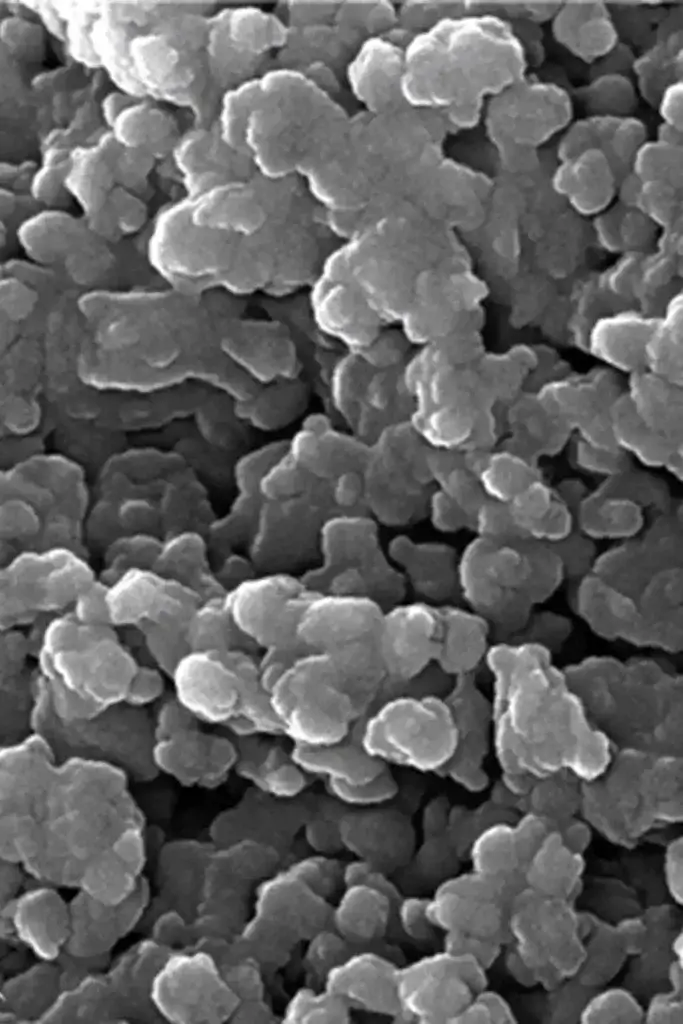
Beta alumina is a specialized family of aluminum oxide compounds characterized by a unique layered crystal structure that enables the rapid movement of ions — most notably sodium ions — between its structural layers. Unlike alpha alumina, which exists as a single stable crystalline phase, beta alumina occurs in two primary forms: β-alumina (sodium aluminate with a hexagonal structure) and β”-alumina (a rhombohedral variant with even higher ionic conductivity).
This distinctive ionic mobility makes beta alumina fundamentally different from conventional ceramic materials. It functions not just as a structural or refractory material, but as a functional ceramic — capable of conducting electricity through ion transport rather than electron flow. Produced through high-temperature solid-state synthesis, beta alumina combines the mechanical durability of advanced ceramics with electrochemical properties that few materials can match.
Why Choose Beta Alumina
-
Superior Ionic Conductivity Beta alumina offers some of the highest sodium-ion conductivity values among solid ceramic electrolytes, making it the preferred material for solid-state battery systems, sodium-sulfur (NaS) batteries, and other high-performance electrochemical energy storage applications.
-
Exceptional Thermal StabilityBeta alumina maintains its structural and functional integrity across a wide temperature range, performing reliably in high-temperature environments where conventional polymer or liquid electrolytes would degrade or fail entirely.
-
Outstanding Mechanical Strength Despite its ionic functionality, beta alumina retains the inherent hardness and mechanical robustness of advanced ceramic materials, offering excellent resistance to physical stress, thermal shock, and long-term structural fatigue.
-
Long Service Life & ReliabilityThe stable crystalline framework of beta alumina resists chemical degradation over extended operational cycles, reducing maintenance requirements and delivering consistent electrochemical performance throughout the service life of the system.
-
Versatile Application CompatibilityFrom grid-scale energy storage and electric vehicle battery systems to industrial sodium lamps and advanced sensors, beta alumina integrates seamlessly into a broad range of demanding technical and industrial applications.
Industry Challenges
High Sintering Temperature
Moisture Sensitivity
Beta alumina is highly hygroscopic, absorbing atmospheric moisture readily, which can degrade its ionic conductivity and compromise end-product performance.
Phase Stability Control
Maintaining a consistent β″-alumina to β-alumina phase ratio during manufacturing is difficult yet critical to achieving optimal electrochemical properties.
Mechanical Brittleness
As a ceramic material, beta alumina is inherently brittle, posing challenges in handling, machining, and integration into high-vibration or thermal-cycling environments.
Tight Dimensional Tolerances
Applications such as solid electrolytes demand extremely precise geometrical consistency, placing high pressure on forming and sintering process control.
Product overview
Activated Carbon
AS-β-NEW/D500
Why Use Our Beta Alumina
Superior Ionic Conductivity
Beta alumina exhibits exceptionally high sodium-ion conductivity at elevated temperatures, making it one of the most efficient solid electrolyte materials available for energy storage and electrochemical applications.
Excellent Thermal Stability
Beta alumina maintains its crystalline structure and functional integrity at temperatures exceeding 300°C, ensuring reliable performance in demanding high-temperature industrial and electrochemical operating environments.
Low Electronic Conductivity
With negligible electronic conductivity, beta alumina acts as an effective ionic-selective barrier, minimizing energy loss and enhancing the overall efficiency of sodium-sulfur and similar battery systems.
Related Applications

Industry Solutions
Packaging & Logistics Services
Secure & Customizable Packaging
The products shall be enclosed in a durable, moistureproof pouch or bulk container, so as to guarantee the cleanliness and completeness of transportation. Customized packing options for special size and handling needs.
Reliable & Flexible Global Shipping
Working with reliable logistic partners, we provide a flexible delivery system for maritime, aerial and land-based cargo. Prompt delivery and safe transport to worldwide destinations.
Dedicated Order & Support Coordination
We offer special support for tracking and documenting from the order validation to the last shipment. Availability of technical and logistical support to guarantee the success of the supply chain experience.
Ready to Find Your Perfect Industrial Solution?
How to Order!
Send us your detailed question, or ask for a quote tailored to your activated carbon requirements.
Inquiry Now!
Related Blogs