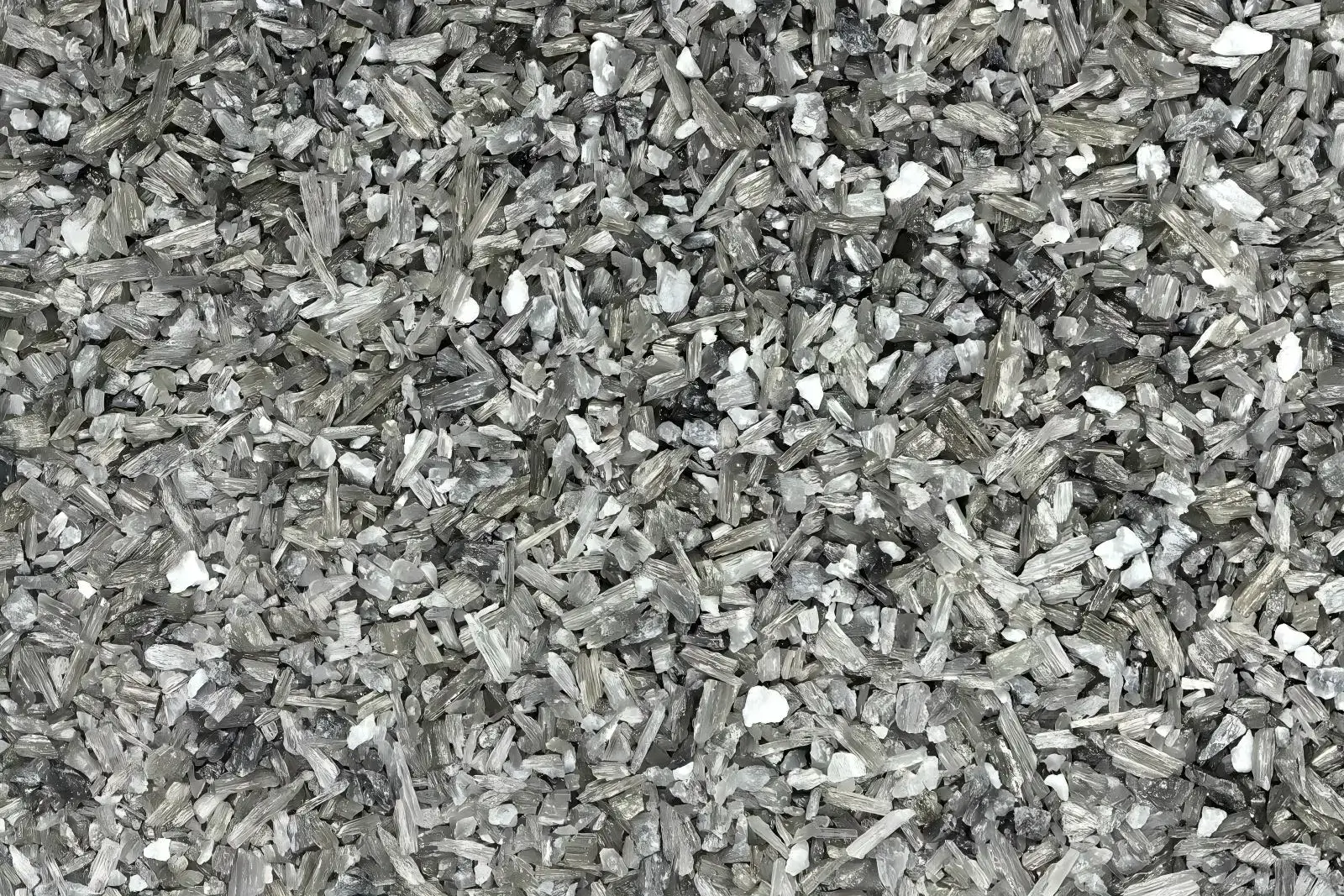
Bayer Alumina
- Home /
- Alumina /
- Types of Alumina /
- Bayer Alumina

What Is Bayer Alumina?
Bayer Alumina (Al₂O₃) is a refined aluminum oxide produced through the Bayer process — the world’s most widely adopted industrial method for extracting pure alumina from bauxite ore. In this process, bauxite is dissolved in hot caustic soda, separating aluminum hydroxide from impurities. The purified aluminum hydroxide is then calcined at high temperatures, yielding a fine, white alumina powder with precisely controlled chemical and physical properties.
First developed in 1887, the Bayer process remains the backbone of global alumina production, accounting for over 90% of the world’s alumina supply. The resulting material offers a highly consistent Al₂O₃ content — typically 99% or higher in calcined form — along with tunable surface area, particle size, and crystal phase characteristics that can be tailored to meet the specific demands of different industries.
Bayer Alumina serves as both a primary industrial commodity and a high-value specialty material. It is the essential feedstock for primary aluminum smelting and simultaneously a critical functional material in ceramics, catalysts, coatings, electronics, and environmental applications — making it one of the most strategically important inorganic materials in modern industry.
Why Choose Bayer Alumina?
- Proven, Scalable Production Process Backed by over a century of process refinement, the Bayer process delivers reliable, large-scale alumina production with consistent quality standards recognized and trusted by industries worldwide.
-
High Chemical PurityCalcined Bayer Alumina achieves Al₂O₃ purity of 99% and above, minimizing trace impurities that could compromise performance in sensitive applications such as advanced ceramics and electronic substrates.
-
Tunable Physical Properties Particle size, surface area, and crystal phase — alpha or transitional — can be precisely controlled during calcination, allowing Bayer Alumina to be optimized for specific end-use requirements.
-
Excellent Thermal & Chemical StabilityBayer Alumina maintains structural and chemical integrity under high temperatures and in corrosive environments, making it a dependable material for refractory, catalyst support, and protective coating applications.
-
Broad Application Versatility From aluminum smelting and specialty ceramics to water treatment and pharmaceutical excipients, Bayer Alumina's adaptable properties make it a cost-effective solution across an exceptionally wide range of industrial sectors.
-
Reliable Supply & Cost EfficiencyAs the globally dominant alumina production method, the Bayer process ensures stable, large-volume supply at competitive pricing — providing manufacturers with a dependable, economically viable material source.
Industry Challenges
Bauxite Quality Dependency
Final product purity and consistency are directly tied to bauxite ore quality, making reliable raw material sourcing a persistent challenge for maintaining premium-grade alumina output.
High Energy Consumption
The calcination stage requires sustained high-temperature processing, resulting in significant energy costs that directly impact production economics and sustainability targets.
Wastewater & Red Mud Disposal
The Bayer process generates large volumes of caustic red mud as a byproduct, presenting serious environmental management and regulatory compliance challenges for producers worldwide.
Crystal Phase Control
Achieving precise control over alpha versus transitional alumina crystal phases during calcination is technically demanding, yet critical for meeting the specific performance requirements of different end applications.
Particle Size Consistency
Maintaining uniform particle size distribution across large-scale production runs requires stringent process monitoring, as deviations can significantly impact downstream processing and application performance.
Product overview
Alumina
AF-γ-NEW/D100
Why Use Our Bayer Alumina
Tunable Particle Size & Surface Area
Particle size distribution and BET surface area are precisely adjustable during production, enabling customized material specifications that meet the exact processing and performance requirements of diverse industrial applications.
Outstanding Thermal Stability
Bayer Alumina maintains structural and chemical integrity at temperatures exceeding 1,600°C, making it a dependable material choice for refractory products, high-temperature kiln components, and thermally demanding industrial process environments.
High Mechanical Strength & Hardness
With a Mohs hardness of 9, Bayer Alumina delivers excellent wear resistance and mechanical durability, making it well-suited for abrasive media, ceramic components, and surface protection applications under demanding operating conditions.
Related Applications
Industry Solutions
Packaging & Logistics Services
Secure & Customizable Packaging
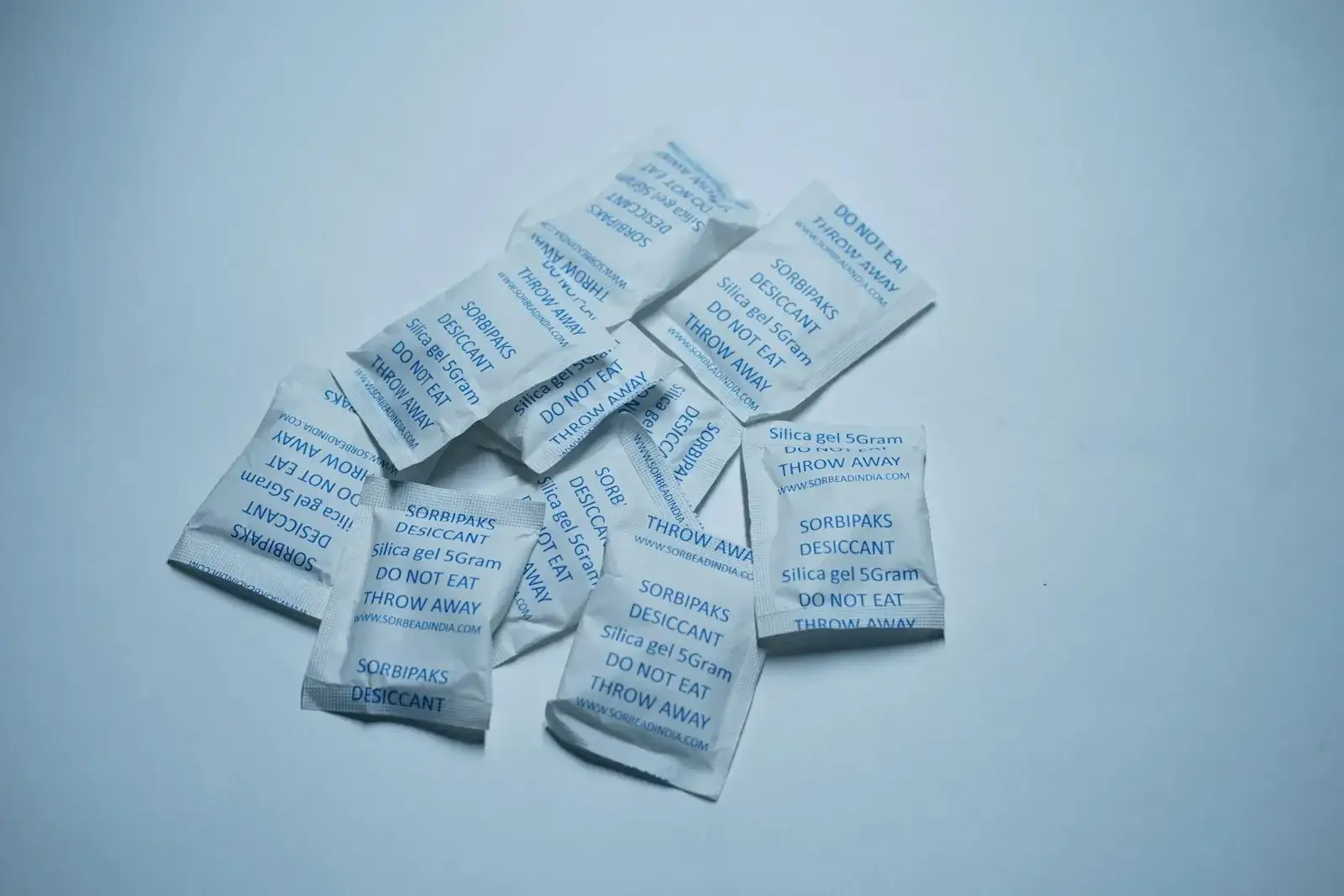
The products shall be enclosed in a durable, moistureproof pouch or bulk container, so as to guarantee the cleanliness and completeness of transportation. Customized packing options for special size and handling needs.
Reliable & Flexible Global Shipping
Working with reliable logistic partners, we provide a flexible delivery system for maritime, aerial and land-based cargo. Prompt delivery and safe transport to worldwide destinations.
Dedicated Order & Support Coordination
We offer special support for tracking and documenting from the order validation to the last shipment. Availability of technical and logistical support to guarantee the success of the supply chain experience.
Ready to Find Your Perfect Industrial Solution?
How to Order!
Send us your detailed question, or ask for a quote tailored to your activated carbon requirements.