Activated Carbon In Water Treatment
- Home /
- Activated Carbon /
- Activated Carbon Application /
- Water Treatment Activated Carbon

What Is Activated Carbon In Water Treatment
Activated carbon in water treatment refers to the use of granular (GAC), powdered (PAC), and specialty activated carbon materials to remove dissolved contaminants from drinking water, industrial process water, and wastewater through adsorption — the process by which organic molecules, chemical compounds, and micropollutants are drawn from solution and retained within the carbon’s extensive internal pore network.
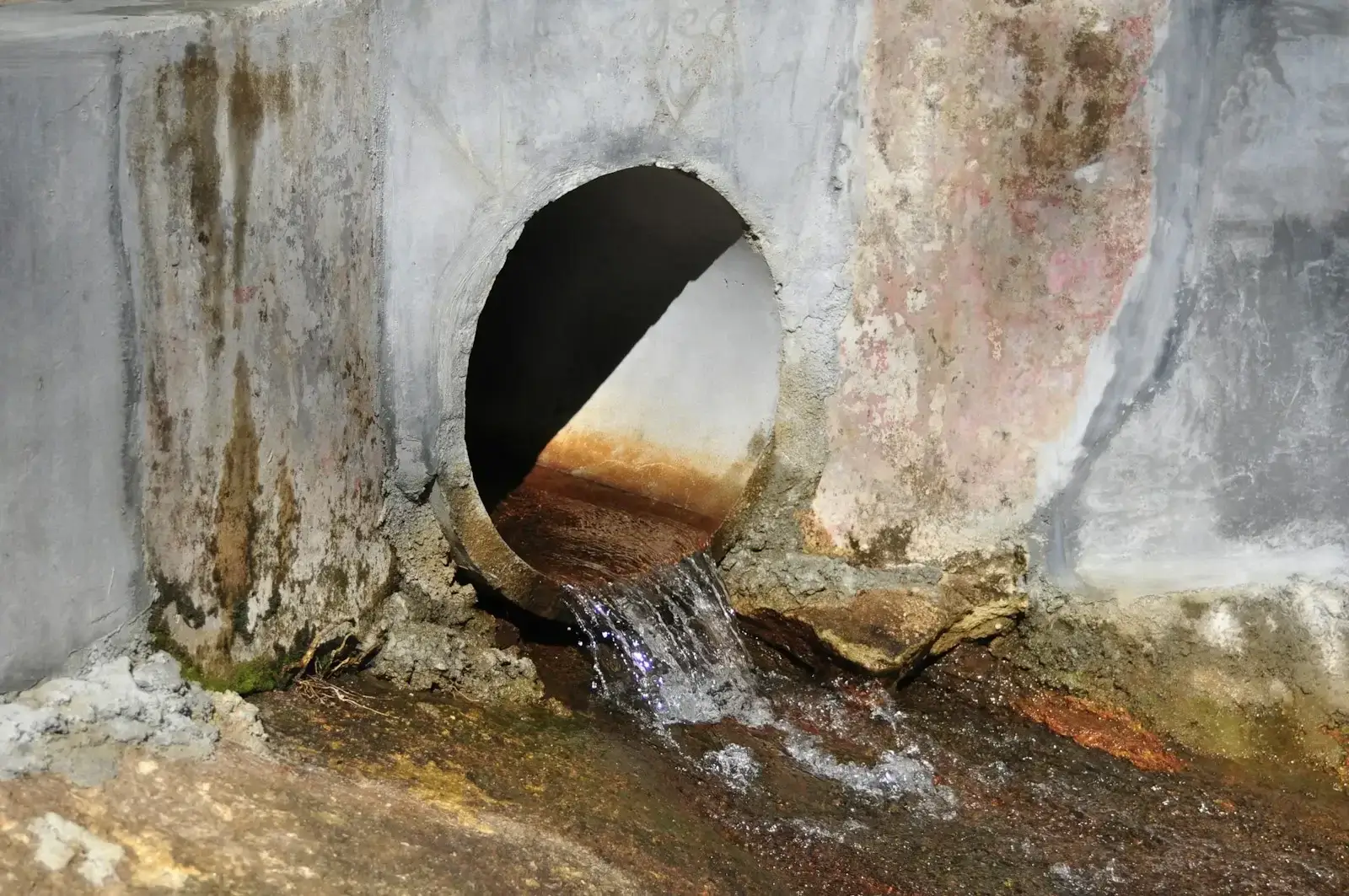
Water treatment is the single largest global application of activated carbon. Municipal drinking water plants rely on it to remove chlorine, chloramines, disinfection byproducts (DBPs), taste and odor compounds — including geosmin and MIB — pesticides, pharmaceuticals, and industrial chemicals before distribution. Industrial facilities deploy activated carbon to treat process water, cooling water, and effluent streams to meet discharge permit requirements and protect downstream equipment. Wastewater reuse programs depend on activated carbon as a final polishing stage to eliminate micropollutants and trace organics before treated water is recycled or returned to the environment.
Across every scale and configuration, activated carbon delivers proven, cost-effective contaminant removal that no alternative water treatment technology matches at comparable operational simplicity.
Water Treatment Applications

Find Right Type Of Activated Carbon
Chemical Material Solutions
Our Advantages About Gas Treatment Activated Carbon
Proven Removal of the Widest Contaminant Spectrum
From chlorine, chloramines, and disinfection byproducts to pesticides, pharmaceuticals, PFAS, and taste and odor compounds, activated carbon adsorbs a broader range of dissolved water contaminants than any alternative treatment material — making it the only single-material solution applicable across the full scope of water quality challenges.with stringent IAQ and OQ requirements throughout the industry and the environment.
Scalable from Point-of-Use to Full Municipal Scale
Activated carbon water treatment systems scale seamlessly from household tap filters and point-of-entry units through to large municipal GAC contactor installations treating hundreds of millions of liters daily — delivering consistent, specification-compliant performance at every treatment scale without fundamental changes to the underlying purification technology.
Cost-Effective Long-Term Treatment with Regeneration Capability
Granular activated carbon deployed in fixed-bed water treatment systems can be thermally reactivated and returned to service multiple times, significantly reducing long-term carbon consumption costs and minimizing waste generation — making GAC the most economically sustainable choice for continuous, high-volume water purification operations.
Packaging & Logistics Services
Secure & Customizable Packaging
The products shall be enclosed in a durable, moistureproof pouch or bulk container, so as to guarantee the cleanliness and completeness of transportation. Customized packing options for special size and handling needs.
Reliable & Flexible Global Shipping
Working with reliable logistic partners, we provide a flexible delivery system for maritime, aerial and land-based cargo. Prompt delivery and safe transport to worldwide destinations.
Dedicated Order & Support Coordination
We offer special support for tracking and documenting from the order validation to the last shipment. Availability of technical and logistical support to guarantee the success of the supply chain experience.
Ready to Find Your Perfect Industrial Solution?
How to Order!
Send us your detailed question, or ask for a quote tailored to your activated carbon requirements.
Inquiry Now!
Related Blogs