
Activated Carbon for Food Preservation

Active Carbon is effective in absorbing and oxidizing ethylene – a major factor in post-harvest maturation and decay – in order to prolong the shelf-life of fruits, vegetables, plants, and agriculture through refrigeration, UV packing, and controlled atmospheric storage.
What Is Activated Carbon for Food Preservation?

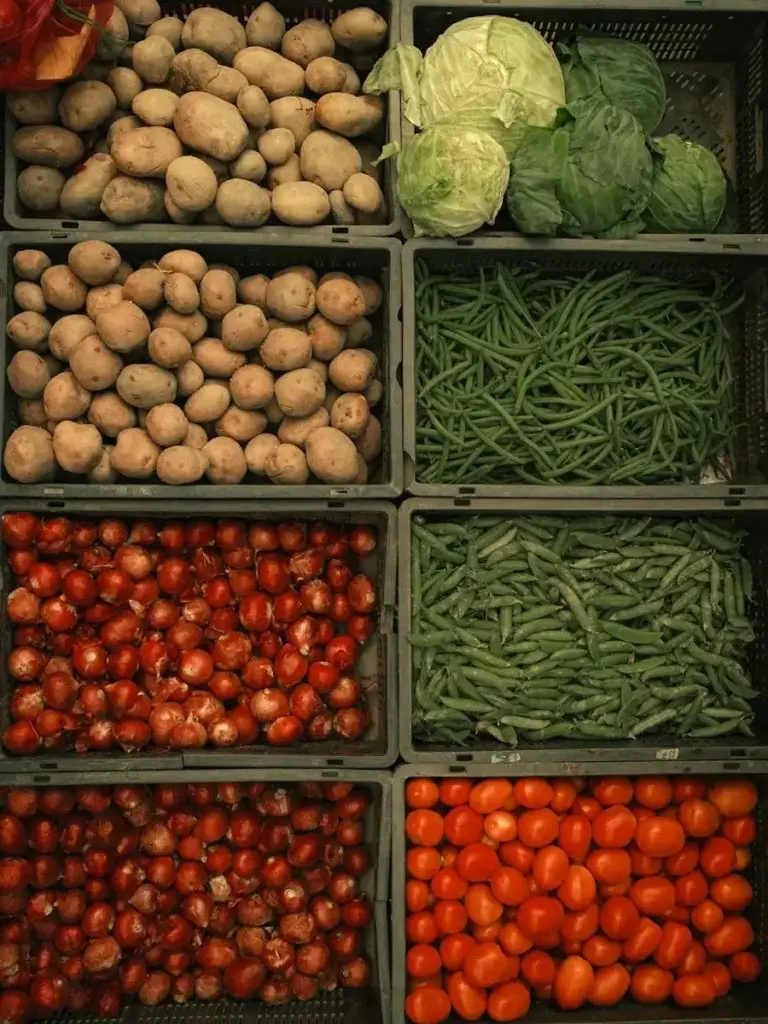
Activated carbon for food preservation refers to the use of specially formulated activated carbon materials—including potassium permanganate-impregnated grades and high-surface-area standard grades—to control ethylene gas concentrations in the storage and transportation environments of fresh produce, flowers, and agricultural products. This helps slow the natural ripening and senescence processes that lead to post-harvest quality deterioration and economic losses. Ethylene (C₂H₄) is a naturally occurring plant hormone produced by fruits, vegetables, and flowers; even trace concentrations (measured in parts per billion) can accelerate ripening, color change, softening, and senescence. In enclosed cold storage facilities, refrigerated containers, and modified atmosphere packaging, ethylene accumulates quickly as produce respires, becoming an invisible but powerful ripening accelerant that significantly shortens the commercial shelf life of fresh agricultural products. Conventional refrigeration alone cannot remove ethylene from storage atmospheres, making ethylene scavenging a crucial and separate requirement in any comprehensive cold chain freshness management strategy. Activated carbon—especially potassium permanganate-impregnated grades that chemically oxidize ethylene into carbon dioxide and water—offers a cost-effective, non-toxic, and easy-to-operate ethylene control solution. It can be used in bulk cold storage rooms, refrigerated shipping containers, retail display cases, and consumer packaging without complex equipment or process adjustments.

Key Advantages of Activated Carbon for Food Preservation

The selection of appropriate active carbon for preserving food will affect the shelf-life of production, reduce the loss after harvest, and the economy of the cold chain. Active Carbon provides measurable advantages in all key aspects of preserving fresh products:
Because of these properties, active carbon has become a necessary post harvest management tool for the whole world’s fresh production sector – from farm to store, to extend the lifespan of retailers, and to manage the freshness of the international export chain.

Industry Challenges About Activated Carbon for Food Preservation

Ethylene Accumulation Is Inevitable in Enclosed Cold Storage Environments

Fresh products continually release ethylene during storage and transportation, and in the absence of active ethylene removal, the concentration of ethylene in closed refrigeration, refrigeration, and retail display boxes can quickly attain a rate that speeds up the maturation, softening and aging of the ethylene sensitive product.

Different Produce Varieties Have Vastly Different Ethylene Sensitivity Thresholds

Strawberries, kiwi, and leafy vegetables are sensitive enough to a concentration of 0.1 ppm. Tougher strains can withstand far more — they need to be dimensioned and specified in accordance with the particular susceptibility profile of each product.

High Respiration Rates During Temperature Fluctuations Overwhelm Scavenging Capacity

The rapid increase in the respiratory rate and the release of ethylene can be seen as a result of a sudden spike in temperature in the course of loading, unloading, and transportation, which temporarily overtakes the ability of the active carbon to absorb and oxidize and permits the accumulation of ethylene to a maturation acceleration.

Specific Use Scenarios — Activated Carbon for Food Preservation

Cold Storage Warehouse Ethylene Control

Large-scale cold storage facilities housing apples, pears, kiwifruit, avocados, and other climacteric fruits tend to accumulate considerable ethylene concentrations as the produce continues to respire during prolonged storage. This excess ethylene accelerates ripening, softens the fruits, and causes quality deterioration—ultimately reducing marketable yield and shortening the effective storage window. To address this, potassium permanganate-impregnated activated carbon panels, filter units, or loose-fill beds are installed either in cold room ventilation systems or directly within the storage space. These carbon-based solutions continuously oxidize ethylene emitted by the produce, keeping atmospheric ethylene concentrations below the ripening threshold and extending the marketable storage life by weeks to months, depending on the type of produce and specific storage conditions.

Refrigerated Container and Reefer Shipping Ethylene Management

Fresh produce shipped overseas in refrigerated containers (reefers) often undergoes transit times of two to six weeks. During this period, ethylene accumulates in the sealed container atmosphere, which continuously speeds up ripening—leading the produce to arrive at destination markets overripe, soft, or commercially unsellable. To solve this problem, activated carbon ethylene scavenger sachets or filter inserts are placed inside refrigerated containers when loading. These products provide passive, equipment-free ethylene control throughout the entire sea transit, maintaining produce quality and extending the commercial selling window at the destination. This enables exporters to access distant international markets that would otherwise be inaccessible given the fresh produce’s natural shelf life.

Modified Atmosphere Packaging (MAP) Ethylene Scavenging

Both retail and wholesale fresh products, which are packaged in prepackaged salad leaves, berries, grapes, cherry tomatoes, and sliced vegetables, are enclosed in a controlled gaseous environment to reduce respiratory and microbiological growth, but do not stop the production from accumulating into the product itself at the time of retail sale and in store for consumption. Active carbon ethylene scavenging bags or membranes embedded in MAP packing forms continually absorb ethylene from the head space of the pack – supplementing the modified atmospheric air components to provide longer shelf-life than MAP can accomplish on its own, as well as a reduction in the amount of food wastage at both the retail and consumption levels.

Flower and Ornamental Plant Preservation

Cut flowers and potted ornamental plants are highly sensitive to ethylene—even tiny amounts (sub-ppm concentrations) can cause petal wilting, yellowing, bud drop, and leaf abscission, which sharply reduces their vase life and display quality. Activated carbon ethylene scavenger inserts, placed in flower shipping boxes, storage coolers, and retail display units, protect high-value ornamental items like cut roses, carnations, lilies, and orchids from ethylene damage throughout the supply chain. From the grower’s cold storage and wholesale distribution to retail florist displays, these inserts extend vase life, lower rejection rates, and maintain the commercial value of perishable floral products.

Retail Display Case Freshness Extension

The display case of supermarket and retail fresh produce is known for its high ethylene content — ethylene-producing fruits such as bananas, avocados, and stone fruits continuously emit gas under open display conditions, creating an atmosphere rich with ethylene which accelerates ripening and quality degradation of nearby ethylene-sensitive products including leafy greens, broccoli, strawberries and herbs. An activated carbon ethylene scavenging panel or filter unit installed within a retail display case air circulation system continuously removes ethylene from a display environment, extending the retail shelf life of displayed products, reducing in-store waste and markdowns as well as improving product appearance and consumer purchasing satisfaction.

Pharmaceutical and Nutraceutical Packaging Preservation

Beyond fresh produce, activated carbon ethylene scavenging and odor adsorption finds application in pharmaceutical and nutraceutical packaging — where residual organic compound off-gassing from packaging materials, excipients, and active ingredients may degrade product potency, produce odor complaints, and compromise packaging integrity throughout the shelf life. Activated carbon inserts embedded in pharmaceutical blister packs, bottle caps, and secondary packaging absorb volatile organic impurities and off-gas compounds from package headspace to protect active ingredient stability, maintain product odor compliance, and support extended shelf life declarations required for registration and retail distribution of pharmaceutical products.

Our Activated Carbon for Food Preservation Advantages

Proven Ethylene Oxidation for Measurable Shelf Life Extension

Potassium permanganate-impregnated activated carbon chemically oxidizes ethylene at sub-ppm concentrations — the trace levels that trigger ripening in sensitive products — to consistently extend the commercial shelf-life of fruits, vegetables, and cut flowers by days to weeks across cold storage and transit applications.

Passive, Equipment-Free Operation Across All Cold Chain Formats

The ACF does not need electricity, mobile components, or servicing - it is placed passively in refrigerator, refrigerator, retail showcase, and consumer packing forms, with no infrastructure or operating complexity, so that it is possible to extend the shelf-life of a product at any stage of the fresh product supply chain.

Non-Toxic and Food-Safe for Direct Pr

Manufactured according to food contact safety standards, ACF is available in bags, inserts, and filtration forms directly adjacent to the fresh product - prolonging the shelf-life of the product while avoiding the introduction of chemical pollution hazards, supporting clean label location, and complying with the requirements of food contact material in the main international export markets.

Find All Activated Carbon Categories

Effective ethylene control begins by choosing the correct active carbon for your particular product type, storage format, and shelf life. Our Active Carbon Product Line consists of Potassium Permanganate and Standard Grades in Granular, Bag, and Filter – specially designed for Cold Storage, Modified Atmospheric Packaging, and Refrigerated Containers. Look through our complete catalogue to compare ethylene adsorption specifications and determine the appropriate grade for your food storage requirements.

Find All Industrial Solutions

Preserving food is one of the most important aspects of food safety and industry, where advanced chemical materials provide critical performance. Regardless of whether you are involved in food-and-drink, water-treating, air-purifying, drug-making, or environmental remediation, we use active carbon, aluminum oxide, titanium dioxide and other high performance materials for a wide range of applications. Search for appropriate materials and methods for your particular field and application needs.

Packaging & Logistics Services

Secure & Customizable Packaging

The products shall be enclosed in a durable, moistureproof pouch or bulk container, so as to guarantee the cleanliness and completeness of transportation. Customized packing options for special size and handling needs.

Reliable & Flexible Global Shipping

Working with reliable logistic partners, we provide a flexible delivery system for maritime, aerial and land-based cargo. Prompt delivery and safe transport to worldwide destinations.

Dedicated Order & Support Coordination

We offer special support for tracking and documenting from the order validation to the last shipment. Availability of technical and logistical support to guarantee the success of the supply chain experience.

Ready to Find Your Perfect Industrial Solution?

How to Order!

Send us your detailed question, or ask for a quote tailored to your activated carbon requirements.

Get a full proposal that includes product details, prices, and delivery times.
Confirm your order and proceed with secure payment.
Your order will be processed, carefully packaged, and shipped promptly.
Focus on your delivery, and don’t hesitate to contact our technical support specialists.

Inquiry Now!

Contact us now for a personalized quote or technical assistance.

Related Blogs

Get Inquiry