Electronic-Grade Alumina
- Home /
- Alumina /
- Alumina Application /
- Electronic Grade Alumina

What Is Electronic-Grade Alumina?
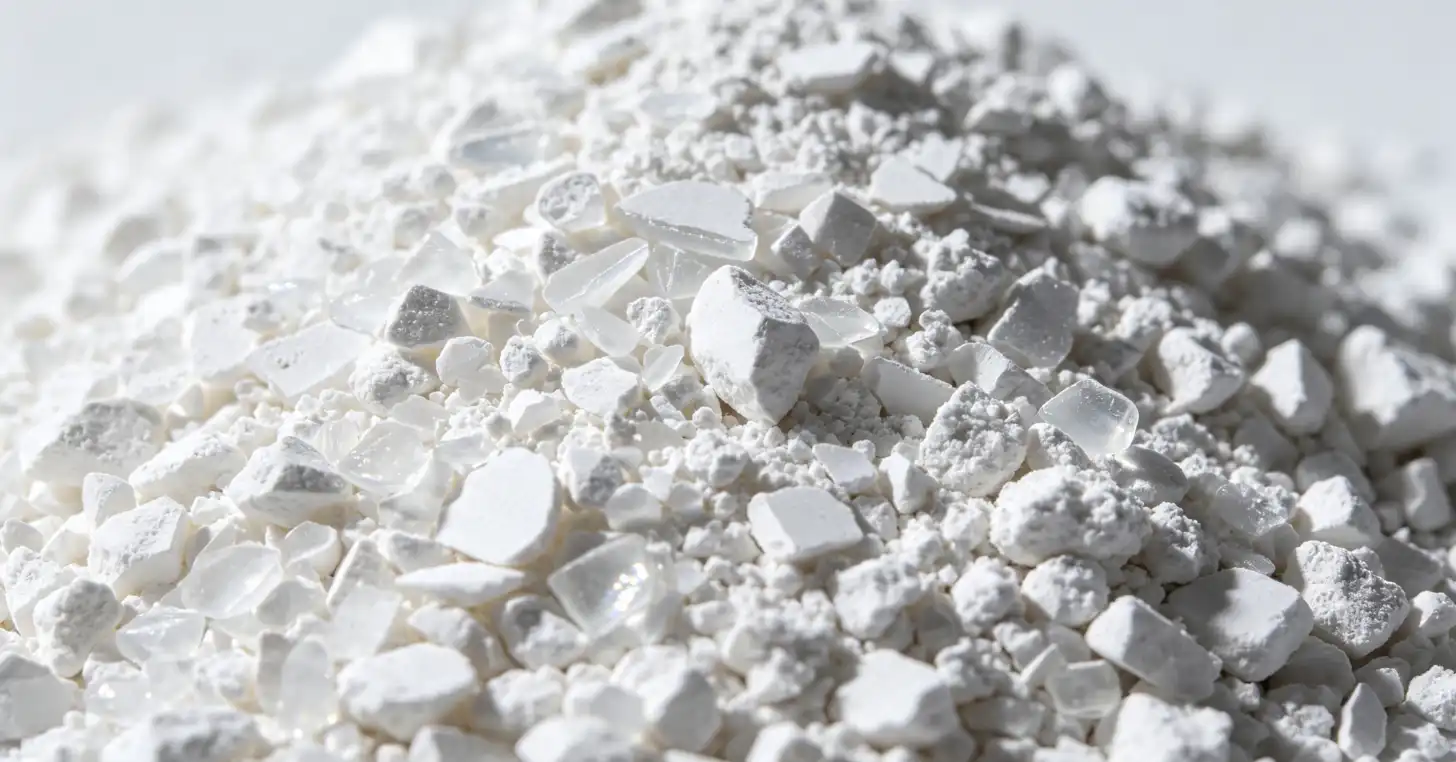
Electronic-grade alumina represents a class of ultra-high-purity aluminum oxide refined to satisfy strict standards for chemical purity, particle size distribution, specific surface area and trace-element limits demanded by semiconductor fabrication, electronic substrate production, LED component manufacturing and advanced microelectronic packaging applications. In contrast to conventional industrial or refractory-grade alumina, electronic-grade alumina is produced under strictly regulated conditions with comprehensive quality monitoring systems. This ensures consistent chemical composition, particle morphology and surface characteristics between different production batches, all of which directly affect the electrical performance, thermal stability and production yield of final electronic parts and devices.
Electronic-grade alumina generally has an Al₂O₃ purity of no less than 99.99%, with individual trace elements such as silicon, iron, sodium, calcium, magnesium and heavy metals restricted to ppm or even ppb levels according to different application scenarios. Among these impurities, sodium content is especially vital in electronic applications, as even small amounts of sodium ions can noticeably reduce the insulation resistance and dielectric performance of sintered alumina ceramic substrates and electronic packaging components.
This material acts as a key raw material in ceramic forming techniques including tape casting, dry pressing and injection molding, which are used to manufacture alumina electronic substrates, multilayer ceramic packages, LED bases, power electronic modules and semiconductor processing parts. It is also directly applied as a polishing agent in wafer surface treatment, where precise particle sizing and absence of hard agglomerations are essential to obtaining defect-free wafer surfaces required for advanced semiconductor manufacturing processes.
Key Advantages of Electronic-Grade Alumina
- Ultra-High Chemical Purity Ensuring Electrical Performance Reliability: The aluminium oxide Al₂O₃ content of 99.99 percent or more - with microelements being regulated at ppm and below - guarantees that the sintered ceramic base material and the packing parts attain the electric resistivity, permittivity, and insulating resistance necessary for the performance of a reliable electronic apparatus throughout the entire working temperature and frequency range of the intended application.
- Controlled Sodium Content Protecting Dielectric and Insulation Properties: The transfer of sodium ions in aluminum oxide ceramic substrates results in a measurable decline in insulating resistance and dielectric performance with time - making the sodium content a key parameter for an electron class aluminum oxide.
- Precise Particle Size Distribution for Consistent Ceramic Forming and Sintering: The tightly controlled grain size distribution in the EPC guarantees a homogeneous powder filling density, a uniform green shape, and a predictable sintering behaviour - which allows the fabrication of a ceramic material to attain the dimension precision, the homogeneity of the sintered density, and the surface finish needed for the fabrication of precise electronics and packaging parts on a large scale.
- Freedom from Hard Agglomerates for Defect-Free Semiconductor Wafer Polishing: In the field of the grinding of the semiconductor chip and the CMP, it is essential that the electronic level aluminum slurry does not contain any solid aggregates or oversize which would result in the surface scraping and the formation of defects on the polished wafer surface – so that the grain size accuracy and the agglomerate-less powder handling critical properties of the electronic aluminum oxide used in the manufacture of the semiconductor surface.
- Batch-to-Batch Consistency Supporting High-Volume Electronic Manufacturing Qualification: The ISO, IATF, and semi-conductor QC systems of the electronics sector demand that the feedstock vendors show SPC and batch compliance for all key quality parameters - that the documentation of the manufacturing process, the validation of analytical data, and the long term standard stability are the basic eligibility criteria for the electric power supply relation.
Industry Challenges
Particle size distribution inconsistency causing ceramic forming defects and yield loss
Hard agglomerate contamination causing surface defects in semiconductor wafer polishing applications
Tightening purity specifications as semiconductor device geometries continue to shrink
Product overview
Alumina
AP-α-ELE/P100
Alumina
AP-α-ELE/P300
Alumina
AP-α-ELE/P500
Specific Use Scenarios — Electronic-Grade Alumina
Alumina Electronic Substrate Manufacturing
Multilayer Ceramic Package and Electronic Housing Production
Semiconductor Wafer Lapping and Surface Preparation
LED Substrate and Sapphire Substrate Processing
Power Electronics Ceramic Substrate for Thermal Management
Spark Plug Insulator and Automotive Electronic Component Manufacturing
Highly pure aluminum oxide is an established material for automobile spark-plug insulators, oxygen-sensing shells, as well as the ceramic parts of the ignition system that need to be reliably insulated, thermally resistant, and chemically stable in a burning environment. Electrotronic-Grade aluminium raw materials with a controlled impurity content and uniform grain properties make it possible to produce high volume dry-pressing and sintering techniques for automobile ceramic parts – to guarantee the size uniformity, electric properties and long term reliability that are demanded by OEM manufacturers as well as longer lifetime requirements.
Our Electronic-Grade Alumina Advantages
Ultra-High Purity Ensuring Reliable Electrical and Dielectric Performance
With an alumina purity of 99.99% or higher and trace impurities controlled to the parts per million range — especially sodium restricted to below 50 ppm — electronic grade alumina ensures the chemical uniformity necessary to maintain stable electrical insulation, reliable dielectric properties, and long term operational stability in the production of semiconductor substrates, electronic packaging materials, and microelectronic components.
Precisely Controlled Particle Size Supporting Consistent Ceramic Forming and Yield
Tightly controlled grain size distribution guarantees even filling, uniformly green, and predictable sintering behaviour - making it possible to obtain the dimension precision, the homogeneity of the sintered density and the surface finish needed for producing high yield electronics and packaging parts on a large scale.
Agglomerate-Free Processing for Defect-Free Semiconductor Surface Preparation
Completely free of solid aggregates and oversize grains, an electronic aluminum grinding slurry provides scratch free, nondefective surface finish on a semiconductor chip and a sapphire base – satisfying the subnanometre requirements for an advanced semiconductor manufacturing node, in which a surface defect is a direct constraint on the production of the device.
Find All Activated Carbon Categories
Find All Industrial Solutions
Packaging & Logistics Services
Secure & Customizable Packaging
The products shall be enclosed in a durable, moistureproof pouch or bulk container, so as to guarantee the cleanliness and completeness of transportation. Customized packing options for special size and handling needs.
Reliable & Flexible Global Shipping
Working with reliable logistic partners, we provide a flexible delivery system for maritime, aerial and land-based cargo. Prompt delivery and safe transport to worldwide destinations.
Dedicated Order & Support Coordination
We offer special support for tracking and documenting from the order validation to the last shipment. Availability of technical and logistical support to guarantee the success of the supply chain experience.
Ready to Find Your Perfect Industrial Solution?
How to Order!
Send us your detailed question, or ask for a quote tailored to your activated carbon requirements.
Inquiry Now!
Related Blogs