Energy Storage Activated Carbon
- Home /
- Activated Carbon /
- Activated Carbon Application /
- Energy Storage Activated Carbon
What Is Activated Carbon For Energy Storage
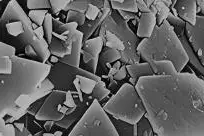
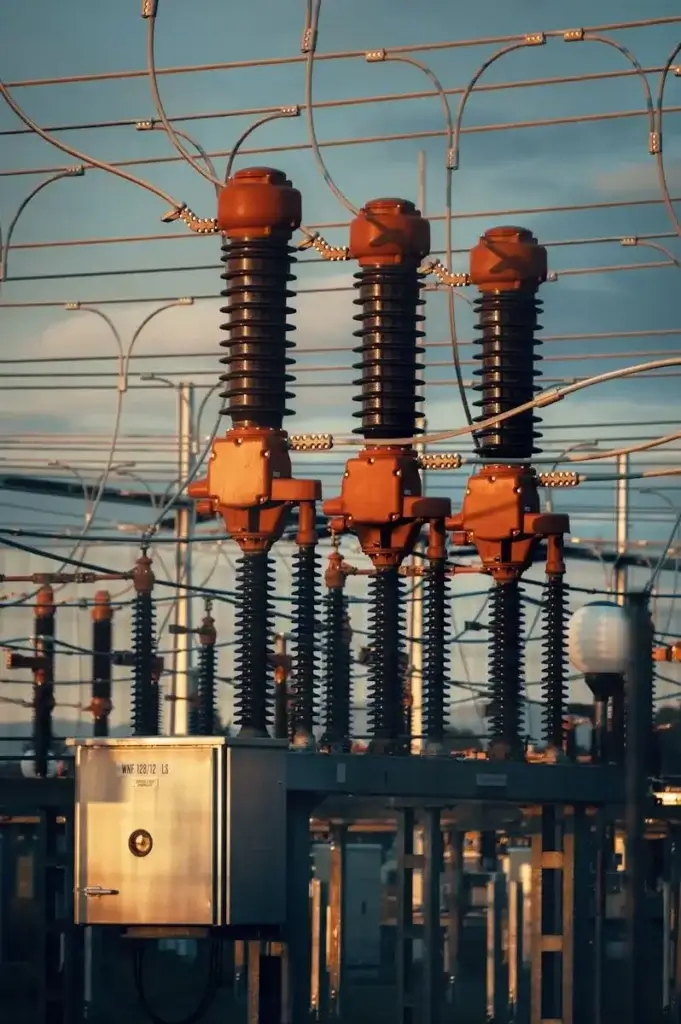
Activated carbon for energy storage refers to the application of highly engineered, ultra-high-surface-area activated carbon materials as the primary active electrode component in electrochemical energy storage and conversion devices — most prominently electric double-layer capacitors (EDLCs), commonly known as supercapacitors, as well as emerging applications in lithium-ion battery electrode enhancement, hydrogen storage, and fuel cell systems.
Unlike conventional activated carbon used in filtration and purification, energy storage grades demand exceptionally precise control over BET surface area — typically exceeding 1,500 to 3,000 m²/g — pore size distribution, electrical conductivity, ash content, and particle size uniformity. These properties directly determine charge storage capacity, energy density, power density, internal resistance, and cycle life — the performance metrics that define competitiveness in the rapidly growing global energy storage market.
As renewable energy generation from solar and wind expands globally, the demand for high-performance, cost-effective energy storage materials is accelerating at an unprecedented pace. Activated carbon — abundant, scalable, and chemically versatile — sits at the center of this transition as the electrode material of choice for supercapacitor manufacturers and an increasingly important component in next-generation battery and hydrogen economy technologies.
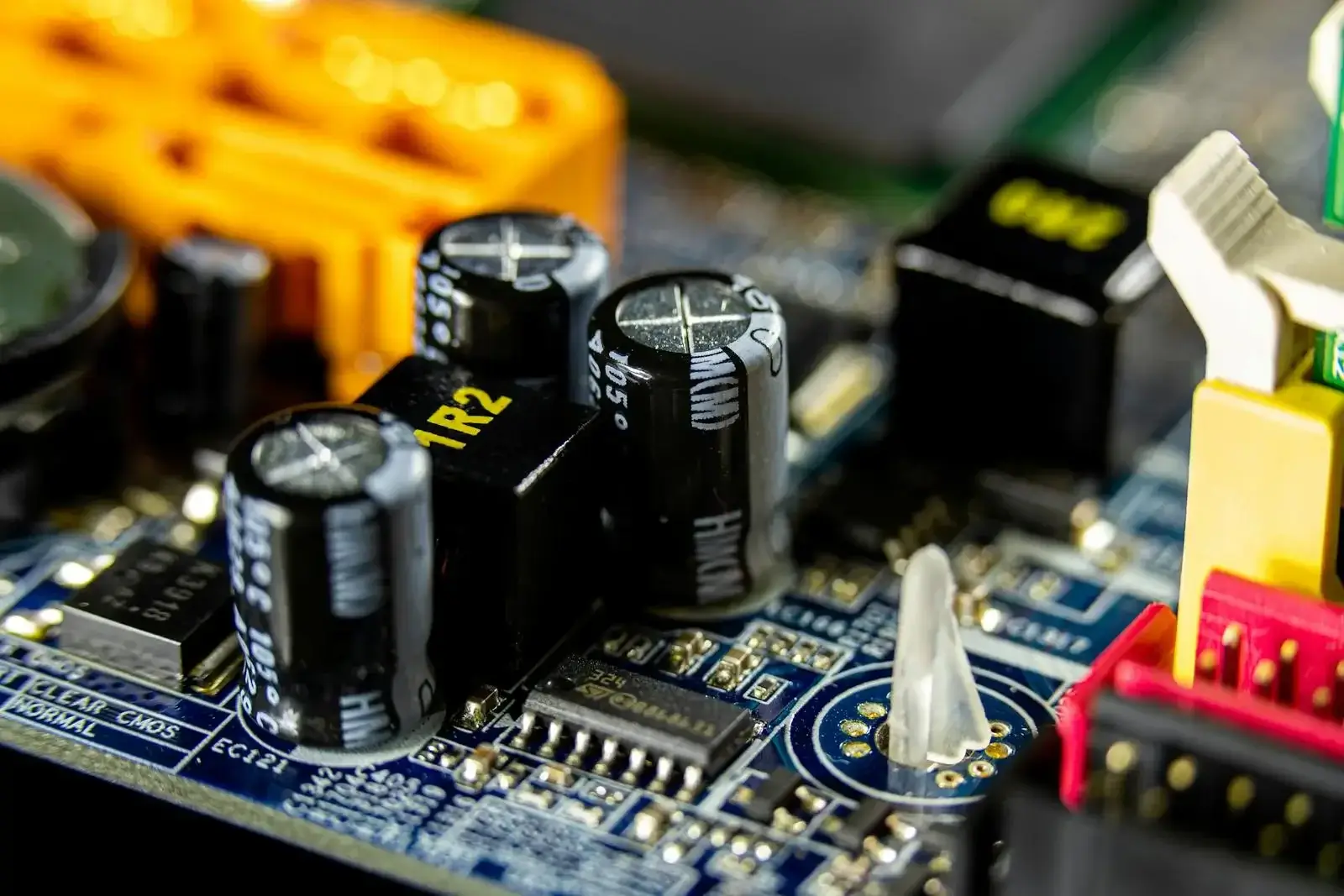
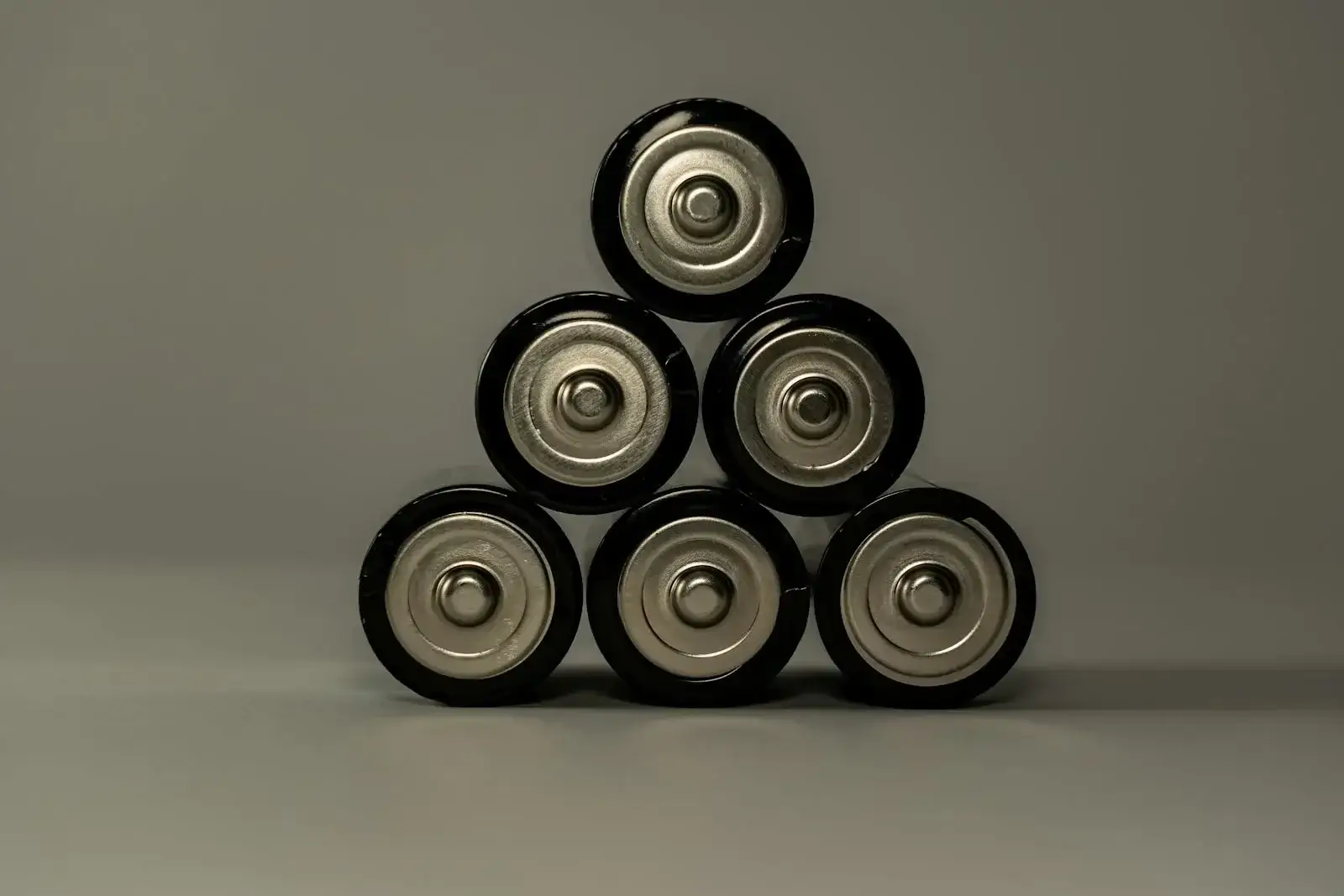
Energy Storage Applications
Find Right Type Of Activated Carbon
Chemical Material Solutions
Our Advantages About Gas Treatment Activated Carbon
Our Advantages About Gas Treatment Activated Carbon
Activated carbon engineered for energy storage achieves BET surface areas exceeding 2,000 m²/g, providing an exceptional density of electrochemical active sites that directly maximizes capacitance in supercapacitor electrodes and charge storage performance in battery applications — the primary determinant of energy density competitiveness.
Precisely Controlled Pore Structure for Optimized Ion Transport
Tailored micropore and mesopore distribution enables rapid electrolyte ion access to active electrode surfaces, minimizing internal resistance and maximizing power density and charge-discharge rate performance — critical specifications for supercapacitors deployed in regenerative braking, grid stabilization, and high-power industrial energy storage applications.
High Purity and Electrochemical Stability for Extended Cycle Life
Ultra-low ash content and minimal metallic impurities ensure outstanding electrochemical stability across hundreds of thousands of charge-discharge cycles, protecting electrode integrity, maintaining consistent capacitance retention, and delivering the long operational service life demanded by electric vehicle, renewable energy storage, and industrial power quality applications.
Packaging & Logistics Services
Secure & Customizable Packaging
The products shall be enclosed in a durable, moistureproof pouch or bulk container, so as to guarantee the cleanliness and completeness of transportation. Customized packing options for special size and handling needs.
Reliable & Flexible Global Shipping
Working with reliable logistic partners, we provide a flexible delivery system for maritime, aerial and land-based cargo. Prompt delivery and safe transport to worldwide destinations.
Dedicated Order & Support Coordination
We offer special support for tracking and documenting from the order validation to the last shipment. Availability of technical and logistical support to guarantee the success of the supply chain experience.
Ready to Find Your Perfect Industrial Solution?
How to Order!
Send us your detailed question, or ask for a quote tailored to your activated carbon requirements.
Inquiry Now!
Related Blogs