Lithium Battery Activated Carbon
- Home /
- Activated Carbon /
- Activated Carbon Application /
- Energy Storage Activated Carbon /
- Lithium Battery Activated Carbon
What Is Lithium Battery Activated Carbon?
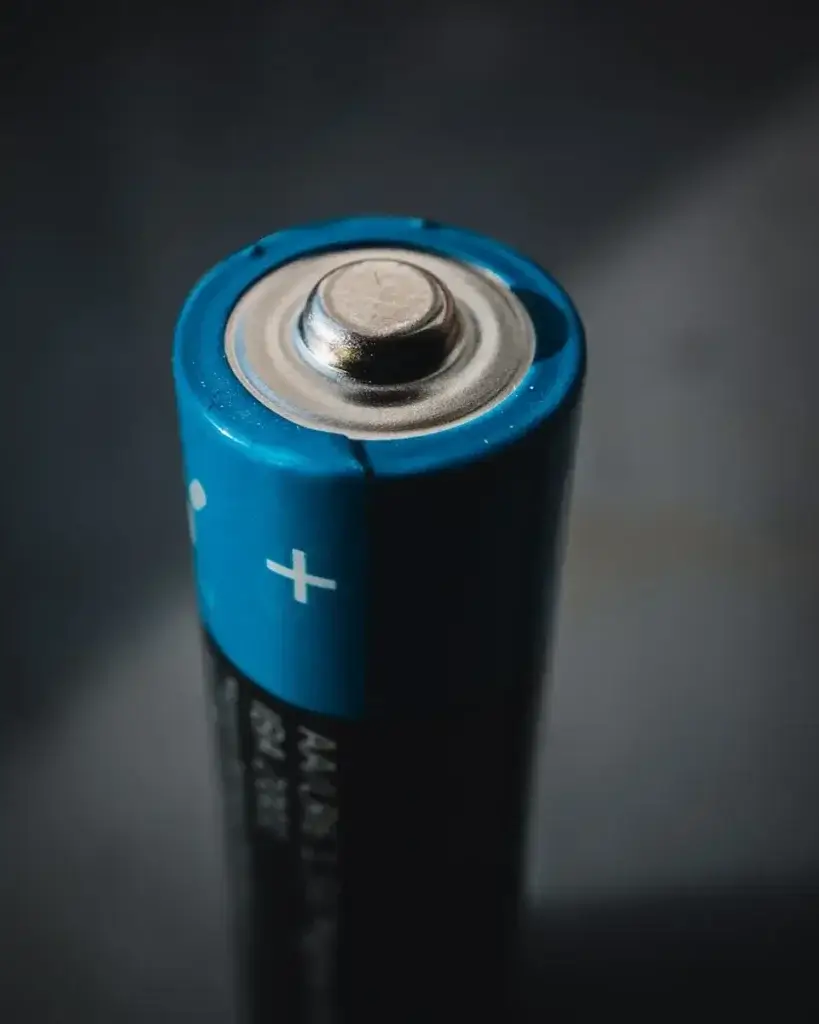
Lithium-active carbon is a special class of active carbon that is applied across a variety of functions in the production of lithium ion batteries — comprising an electrode conducting additive, a pore forming agent in an electrode paste formulation, and an electrolyte purifying medium for removal of water, acid impurities, and organic pollutants from a battery grade electrolyte solution prior to the cell assembly.
Different from active carbon for filtering and cleaning purposes, the lithium cell grades are produced according to extremely strict requirements that include BET surface area, electric conduction, grain diameter distribution, humidity, pollution of magnetic particles, and metal impurities. Every single one of them has a direct impact on the properties of the battery – the electrical conductivity, the kinetic properties of the lithium ion transfer, the inner resistance, the storage capacity, the cycle lifetime, and the critical point is the heat and security. Even a tiny amount of metal contamination or humidity in an ACCC can trigger an inner short-circuit, speed up a drop in capacity, or cause a heat loss in a completed battery cell.
With the rapid growth of EV, grid, and EV requirements across the globe, the need for LCI is increasing at a rapid rate – making the choice of material and vendor qualification a key step in the production of the battery cell.
Key Advantages of Lithium Battery Activated Carbon
- Enhanced Electrode Conductivity and Rate Capability: Active carbon is used as a conducting agent in both positive and negative electrodes to increase the electrical conductivity of the entire electrode matrix, to decrease the inner resistance, to increase the velocity capacity under the condition of high charge and discharge, and to allow for more rapid charging performance in EV and EV batteries.
- Optimized Ion Transport Through Controlled Porosity: Lithium-battery level activated carbon has a well-controlled pore structure that provides inter-connected ionic transfer networks in the electrode - promoting fast Li-ion diffusion to the active material surface, decreasing the concentration polarization at a high discharge rate, and keeping the capacity in the entire working temperature range of the battery cell.
- Electrolyte Purification for Improved Cell Safety and Cycle Life: The active carbon bed for purification of the battery electrolyte is capable of eliminating remaining water, HF, organic pollutants, and dissolved metal ions which speed up the breakdown of the electrolyte, contribute to the unstable state of the solid electrolyte (SEI), and raise the risk of heat loss -- direct improvement in the security of the finished cell, first cycle efficiency, and long term cycle lifetime.
- Ultra-Low Magnetic Particle and Metal Impurity Content: Strict control over metal pollutants such as Fe, Ni, Cu, and other metal pollutants to parts per million will avoid the formation of an inner short-circuit due to the deposit of metal particulates on the separator film – a key safety rule for auto - grade batteries produced in accordance with IATF 16949 and equivalent QC.
- Consistent Particle Size for Uniform Electrode Slurry Processing: Strictly controlled grain size distribution guarantees the rheological properties of the electrode paste, the uniformity of the coating, and the uniformity of the electrode thickness over the high-throughput of the battery electrode.
Industry Challenges
Metallic Impurity Contamination Poses Critical Safety Risks
Particle Size Consistency Is Critical for Electrode Manufacturing Yield
Balancing Conductivity Enhancement Against Active Material Loading
Product overview
Activated Carbon
EN-PB-2000
Specific Use Scenarios — Lithium Battery Activated Carbon
Cathode Electrode Conductive Additive
Anode Electrode Modification and Hard Carbon Applications
Battery Electrolyte Purification
Electrode Pore-Forming Agent for Ion Transport Enhancement
Separator Coating and Functional Layer Applications
Formation Gas and Electrolyte Additive Purification
Battery Recycling and End-of-Life Material Processing
Our Lithium Battery Activated Carbon Advantages
Superior Electrode Conductivity Enhancement for Higher Rate Performance
Lithium battery-grade activated carbon, used as a conductive additive, significantly enhances the electronic conductivity of electrodes. It reduces internal resistance, improves rate capability under high charge-discharge currents, and facilitates faster charging in lithium-ion battery cells for electric vehicles and consumer electronics.
Ultra-Low Impurity Content for Enhanced Cell Safety and Cycle Life
Strict control of metallic contaminants, magnetic particles, and moisture in line with battery-grade standards prevents internal short circuits, inhibits SEI instability, and lowers the risk of thermal runaway. This directly boosts the safety ratings of finished battery cells, improves first-cycle coulombic efficiency, and enhances long-term capacity retention throughout the entire service life of the battery.
Precision Electrolyte Purification for Optimized Cell Formation and Performance
High-purity activated carbon eliminates residual moisture, HF acid, dissolved metals, and organic impurities from battery electrolyte solutions prior to cell filling. This process improves the chemical stability of the electrolyte, enhances the quality of SEI formation, reduces irreversible capacity loss during formation cycling, and optimizes the energy density and cycle life of finished lithium battery cells.
Find All Activated Carbon Categories
Find All Industrial Solutions
Packaging & Logistics Services
Secure & Customizable Packaging
The products shall be enclosed in a durable, moistureproof pouch or bulk container, so as to guarantee the cleanliness and completeness of transportation. Customized packing options for special size and handling needs.
Reliable & Flexible Global Shipping
Working with reliable logistic partners, we provide a flexible delivery system for maritime, aerial and land-based cargo. Prompt delivery and safe transport to worldwide destinations.
Dedicated Order & Support Coordination
We offer special support for tracking and documenting from the order validation to the last shipment. Availability of technical and logistical support to guarantee the success of the supply chain experience.
Ready to Find Your Perfect Industrial Solution?
How to Order!
Send us your detailed question, or ask for a quote tailored to your activated carbon requirements.
Inquiry Now!
Related Blogs