Gold Extraction Chemical Industry Solutions

The extraction of gold is one of the hardest chemical techniques in the mining industry, which needs to select the appropriate materials and control technology during each phase of the recovery. Every step of the process from the production of the ore to the extraction of the cyanide, to the extraction of the carbon, the elute, the electrowinning, and the ultimate refinement, is dependent on the high performance of the chemical material in order to maximise the return of the gold, minimise the operation cost, and comply with the more strict environmental standards. Proper chemistry partners offer not only single materials, but consistent, application-compatible solutions throughout the whole gold treatment flow.

Gold Extraction Process Flowsheet & Chemical Materials

Stage 1: Crushing & Grinding

Prior to the commencement of any chemical treatment, it is necessary to smash and grind the ore into powder to free the gold granules from the substrate and decrease the grain size so as to make sure that the ore has sufficient contact with the leach. This phase is purely mechanical, but downstream chemistry processes are highly efficient in order to reach the right grinding size — usually 75-150 micrometers for traditional leaching circuits. Overmilling raises the cost of power and creates excess fines, which makes it more difficult to separate the liquid and liquid phases down the stream, whereas undermilling keeps the gold trapped in the intact rock, decreasing the total yield. Thus, the correct design and control of the milling circuitry is essential to optimise the use of the chemical and the extraction of the gold in the following phases.
Chemical Materials Required:

Grinding aids / dispersants (reduce energy consumption and improve mill throughput)

Froth control agents (manage aeration in wet grinding circuits)

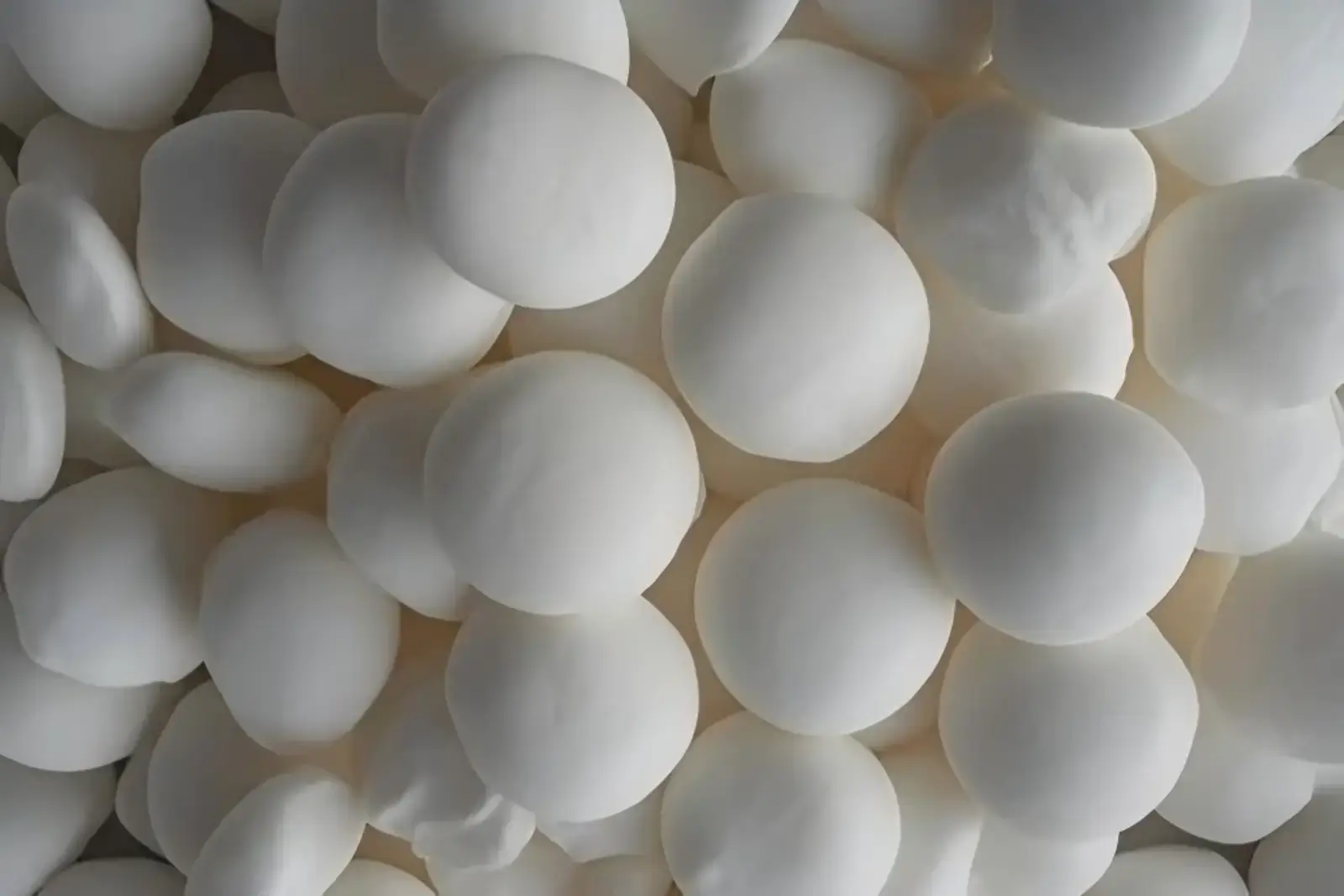
pH modifiers — lime (CaO) (pre-condition pulp alkalinity ahead of cyanidation)

Stage 2: Cyanide Leaching

Conventional Leaching (Pre-CIP)
In the routine cyanidation process, the ground ore pulp is treated with an alkali solution (pH10.5 – 11.5) in a sequence of agitation vessels to dissolve the gold into a soluble gold-cyanide complex (Au (CN) ₂ n). Oxygen or air is introduced to sustain the oxidative dissolution reaction. The duration of the leaching is usually between 24 and 48 hours, depending on the mineral mineralogy, the gold grade, and cyanide consumption rate. Efficient PH control is crucial – poor alkali results in the production of poisonous HCN (HCN) gas, whereas the excess of lime raises the cost of the agent and may cause the metal surface to become inactive. Cyanide concentration, DO, and temperature are the main levers for optimizing gold dissolution dynamics and overall leach efficiency.
Chemical Materials Required:

Sodium cyanide (NaCN) — primary gold dissolution reagent

Calcium oxide / hydrated lime (CaO / Ca(OH)₂) — pH regulation and HCN suppression

Oxygen / compressed air — sustains oxidative leaching reaction

Lead nitrate (Pb(NO₃)₂) — accelerates gold dissolution in some ore types

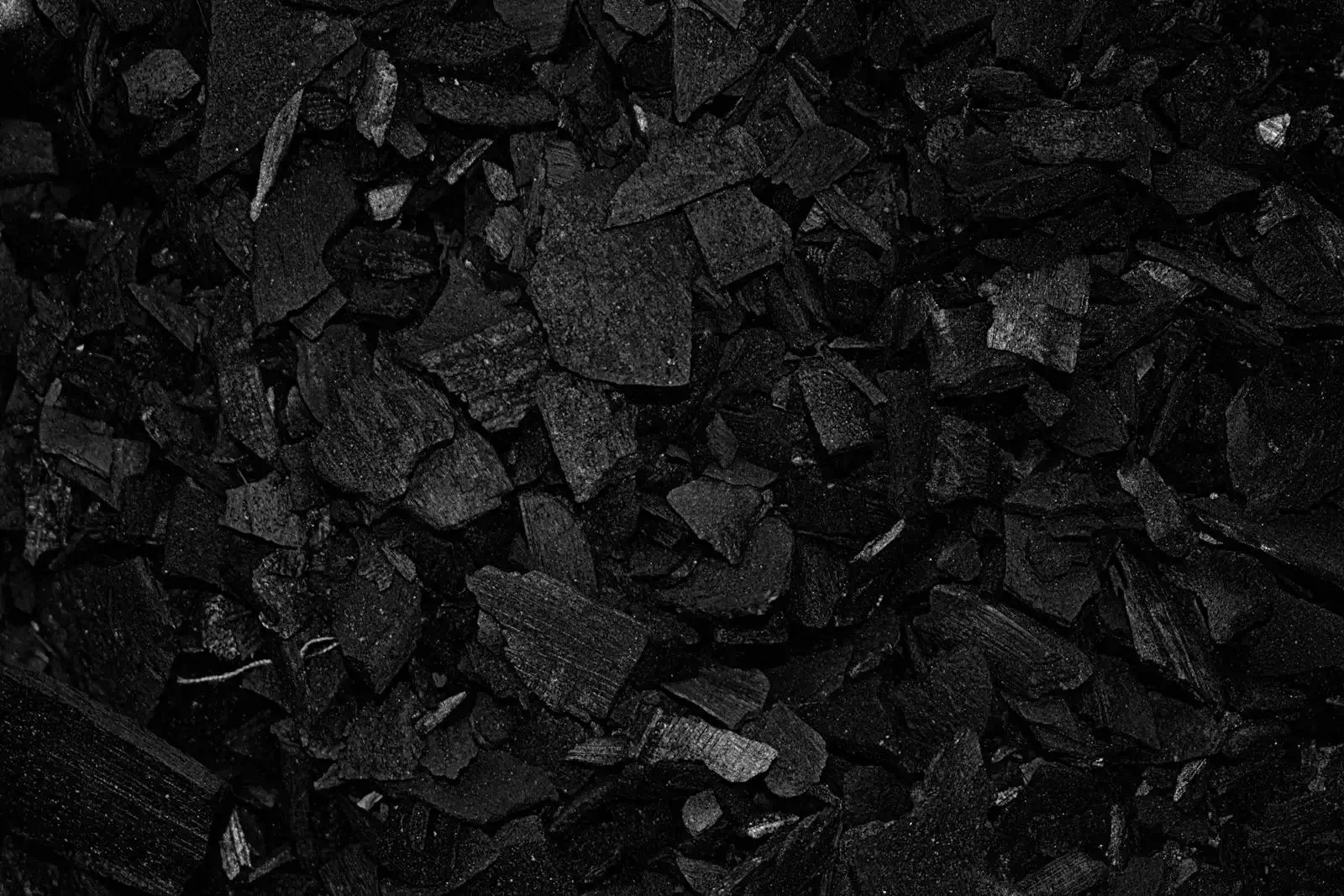
Activated carbon (screening / pre-treatment grade) — optional pre-leach carbon treatment for preg-robbing ores

Pressure Oxidation (POX) Pre-treatment

In the case of refractory gold ores where gold is enclosed within sulfide minerals such as pyrite or arsenopyrite, conventional cyanidation achieves an unacceptably low recovery rate. Pretreating (POX) is applied before leaching to oxidize the sulfide matrix at elevated temperature and pressure (180 – 225 ° C, 20 – 35 bar), liberating encapsulated gold and making it accessible to subsequent cyanide leaching. It is necessary to completely dissolve the acid oxidising paste in order to proceed with cyanide. While POX is capital intensive, it produces substantially greater amounts of gold than otherwise economically viable refractory deposits, and it is being used more and more often when higher-quality loose deposits are exhausted around the world.
Chemical Materials Required:

Sulfuric acid (H₂SO₄) — generated in situ during sulfide oxidation; may require addition for pH control

Calcium oxide / lime (CaO) — post-POX neutralization of acidic slurry

Sodium cyanide (NaCN) — downstream leaching after neutralization

Oxygen (high-purity) — sustained oxidation in autoclave

Flocculants / coagulants — solid-liquid separation after oxidation

Bio-oxidation (BIOX) Pre-treatment

Biooxidation is an alternate way of pretreating sulfur bearing refractory gold ores by utilizing natural acid bacteria (primarily Acidithiobacillus ferrooxidans and Azidithiobacillus thiooxidans) for the oxidation of sulphide minerals at medium temperature (35-45 ° C). BIOX has a lower capital and power cost than POX, which is an attractive option for medium-size refractory mines. The biooxidised sludge is cleaned, neutralised, and transferred to normal cyanidation. Careful control of pH and temperature, as well as nutritional supplements, is needed to ensure that bacteria are active and that the oxidation rate is constant across the biological oxidation cycle.
Chemical Materials Required:

Sulfuric acid (H₂SO₄) — pH control within bacterial operating range

Calcium oxide / lime (CaO) — post-BIOX neutralization

Nutrient solutions (ammonium sulfate, phosphate compounds) — bacterial culture maintenance

Sodium cyanide (NaCN) — downstream leaching stage

Flocculants — solid-liquid separation

Stage 3: Carbon Adsorption

CCIP (Carbon-in-Pulp)

In the CIP loop, when the cyanide extraction has been finished, the active carbon is introduced into a sequence of agitation vessels. Carbon flows in opposite directions into the leach mud and gradually absorbs gold cyanide complexes from the solution as time of contact builds up in the reservoir cascade. The loaded carbon is filtered out of the mud at every step, with the heavier carbon moving towards the elution and the new or regenerated carbon at the tail. CIP is an industrial standard for the treatment of free milling, nonpregel-free minerals. It has been recognized as being easy to operate, scalable, and consistently performing over a broad variety of minerals and gold grades
Chemical Materials Required:

Activated carbon (CIP-grade, high hardness, optimized pore structure) — gold adsorption

Sodium cyanide (NaCN) — cyanide top-up to maintain leach solution tenor

Calcium oxide / lime (CaO) — ongoing pH maintenance

Anti-scalant / dispersant — prevention of carbonate and calcium scale on carbon surface

Pressure Oxidation (POX) Pre-treatment

CIL is a combination of extraction and absorption of carbon in a single vessel, where active carbon is present during the whole course of cyanide production. This arrangement is specially intended for pre-gelling ores, in which the natural carbon-containing minerals in the ore are competing with the process carbon for the absorption of dissolved gold. Through the introduction of active carbon at the same time as cyanide, process carbon is able to compete with the pregelling minerals and capture the gold before it is irrevocably lost. CIL usually needs a larger amount of carbon stock compared with CIP, which puts the carbon under more aggressive mechanics, which is why wear resistance is especially important when selecting carbon in CIL applications.
Chemical Materials Required:

Activated carbon (CIL-grade, exceptional hardness and attrition resistance) — simultaneous leach and adsorption

Sodium cyanide (NaCN) — gold dissolution

Calcium oxide / lime (CaO) — alkalinity control

Oxygen / air — sustains leaching reaction

Carbon transfer reagents / screening aids — inter-tank carbon management

CIC (Carbon-in-Column)

CIC is a preferred way to absorb gold in a heap leach process, in which a gold containing deposit has been removed from the ore and is pumped into a solid, packaged PAC column. The clarification of the solution permits a significantly higher flux with minimum carbon wear, which enables CIC to be very effective in large quantities and low grade deposits. The pillars are run in sequence – lead, intermediate, and polishing – to make sure that the gold is fully captured before the waste solution is returned to the heap. CIC needs a good flow performance of carbon, which is resistant to biofouling caused by long-term exposure to organic matter.
Chemical Materials Required:

Activated carbon (CIC-grade, optimized particle size and flow characteristics) — gold adsorption from pregnant solution

Antiscalant / biocide — prevention of scaling and biological fouling in column beds

Sodium hydroxide (NaOH) — periodic column cleaning and pH adjustment

Sodium cyanide (NaCN) — downstream leaching stage

Flocculants — solid-liquid separation

Stage 4: Elution (Stripping)

From the adsorption loop, the active carbon is transported to the elution tower, and the gold cyanide compound is removed from the carbon surface and returned to the concentration solution by means of a heated caustic cyanide solution. Two of the most popular elution techniques are AARL (ARL) with successive water-cleaning and caustic cyanidation bands at about 110 degrees Celsius, and ZADRA (where caustic cyanide solution flows continuously through the column at 90 – 95 ° C. Both processes generate a gold-rich eluate that is directed to electrowinning for gold recovery. Thorough elution is critical — incompletely stripped carbon returned to the adsorption circuit carries a residual gold inventory that reduces effective circuit capacity and directly suppresses recovery.
Chemical Materials Required:

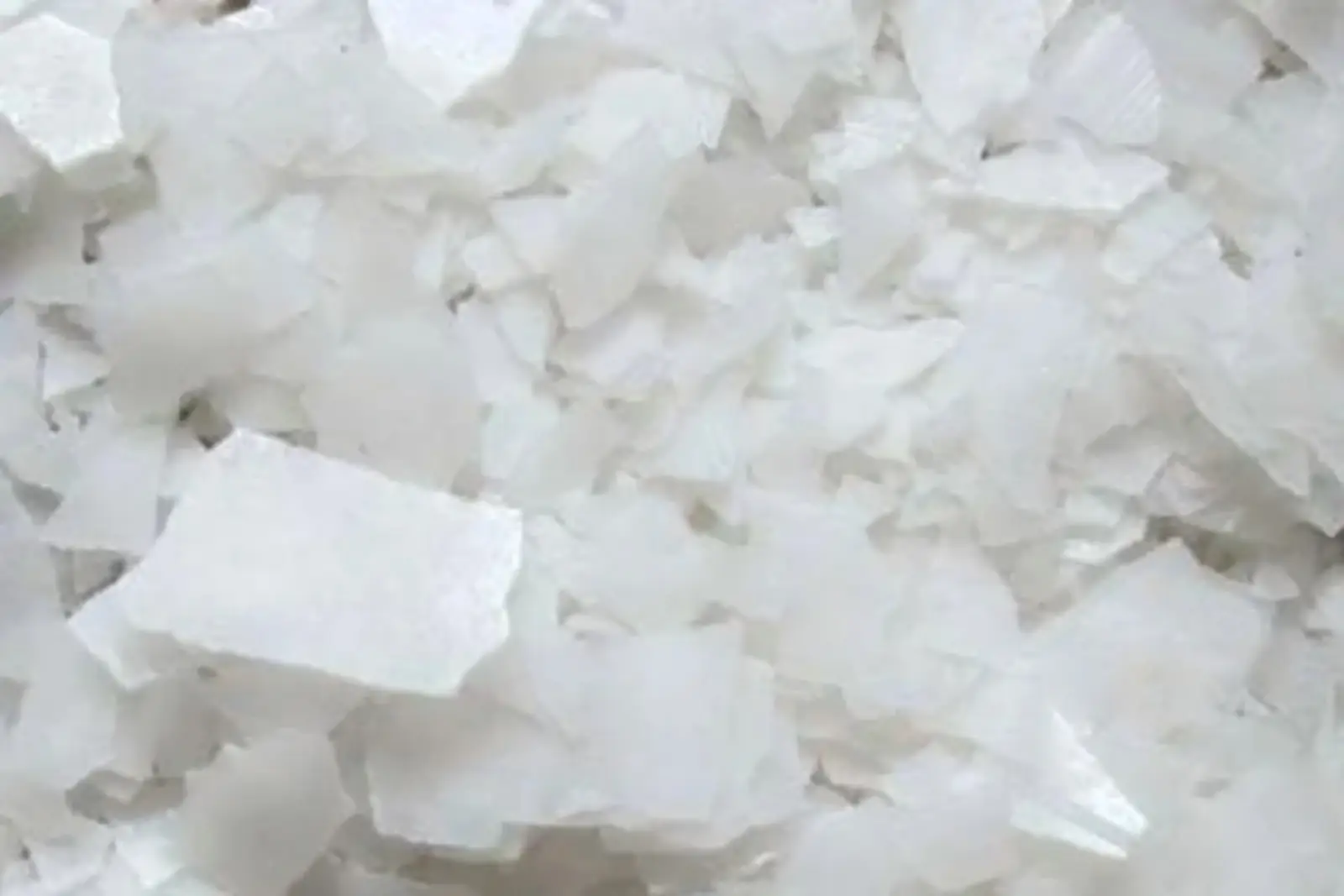
Sodium hydroxide (NaOH) — primary stripping reagent; maintains alkalinity during elution

Sodium cyanide (NaCN) — maintains cyanide tenor in strip solution to prevent gold re-adsorption

Deionized / demineralized water — high-purity water wash in AARL process

Carbon conditioning reagents (acid wash: hydrochloric acid HCl) — periodic removal of calcium carbonate and other scale deposits that blind carbon pores and reduce elution efficiency

Stage 5: Electrowinning

The gold-rich eluate generated during elution is treated by electrowinning cells, where a direct electric current allows gold — along with co-deposited silver and other metals — to plate out of solution onto steel wool cathodes. The depleted electrolyte (barren eluate) is returned to the elution circuit for re-use. The positive electrode sludge with the deposit of gold is collected regularly, cleaned and sent to the smelting plant. The electrowinning efficiency depends on the concentration of gold in the eluate, the conductivity of the solution, and the working temperature. Keeping a clean, scale free cell environment and controlling the chemical composition of the electrolyte is crucial for obtaining a high current efficiency and maximising the purity of the electrodeposited gold sludge.
Chemical Materials Required:

Sodium hydroxide (NaOH) — maintains alkaline electrolyte conditions and solution conductivity

Sodium cyanide (NaCN) — maintains gold in soluble complex form within the electrolyte

Anti-foaming agents — controls foam generation during electrolysis

Cathode cleaning reagents — periodic removal of passivating deposits from steel wool cathodes

Stage 6: Smelting & Refining

Gold bearing cathode sludge from electrowinning is dried, blended with fluxes, and smelted in an induction or gas-fired furnace at approximately 1,100 – 1,200 ° C to produce doré bars — crude gold-silver alloy bullion — for shipment to a refinery. Flux selection is critical: the flux mixture must efficiently slag off base metal impurities including iron, copper, and lead while maintaining a liquid, easily separable slag. Doré purity at this stage typically ranges from 60 – 95% gold depending on ore mineralogy and upstream process efficiency. Final refining to 99.99% (4N) gold is carried out at a specific precious metal refinery by means of chlorination (Miller method) or electrolysis (Wohlwill method).
Chemical Materials Required:

Borax (Na₂B₄O₇) — primary flux; lowers slag melting point and improves fluidity

Silica (SiO₂) — flux component; facilitates base metal slagging

Sodium nitrate (NaNO₃) — oxidizing flux; promotes base metal oxidation and separation

Calcium oxide / lime (CaO) — flux modifier for specific impurity profiles

Hydrochloric acid (HCl) — Miller process chlorination refining reagent

Stage 7: Tailings Treatment & Cyanide Destruction

The CIP/CIL loop has residues of cyanide, cyanide compounds, and microamounts of heavy metals which have to be handled prior to being released or stored in compliance with the environment. The International Cyanide Management Code (ICMC) lays down generally accepted criteria for the release of cyanide. The INCO SO ₂/Air method is the most frequently used method for destroying cyanide, which oxidises free and weak acid (WAD) into a less poisonous form of cyan, and finally of nitrogen and carbonate. Active carbon can also be applied during the polishing phase to eliminate the remaining organic pollutants and micro metals from the treatment waste water prior to the final discharge
Chemical Materials Required:

Sulfur dioxide (SO₂) or sodium metabisulfite (Na₂S₂O₅) — INCO process cyanide oxidation reagent

Copper sulfate (CuSO₄) — catalyst for SO₂/Air cyanide destruction reaction

Calcium oxide / lime (CaO) — pH adjustment and heavy metal precipitation

Hydrogen peroxide (H₂O₂) — alternative cyanide oxidation reagent (Perox process)

Activated carbon (polishing grade) — final effluent polishing; removal of residual organics and trace metals

Flocculants / coagulants — tailings thickening and solid-liquid separation

Stage 1: Crushing & Grinding

Prior to the commencement of any chemical treatment, it is necessary to smash and grind the ore into powder to free the gold granules from the substrate and decrease the grain size so as to make sure that the ore has sufficient contact with the leach. This phase is purely mechanical, but downstream chemistry processes are highly efficient in order to reach the right grinding size — usually 75-150 micrometers for traditional leaching circuits. Overmilling raises the cost of power and creates excess fines, which makes it more difficult to separate the liquid and liquid phases down the stream, whereas undermilling keeps the gold trapped in the intact rock, decreasing the total yield. Thus, the correct design and control of the milling circuitry is essential to optimise the use of the chemical and the extraction of the gold in the following phases.
Chemical Materials Required:

Conventional Leaching (Pre-CIP)

In the routine cyanidation process, the ground ore pulp is treated with an alkali solution (pH10.5 – 11.5) in a sequence of agitation vessels to dissolve the gold into a soluble gold-cyanide complex (Au (CN) ₂ n). Oxygen or air is introduced to sustain the oxidative dissolution reaction. The duration of the leaching is usually between 24 and 48 hours, depending on the mineral mineralogy, the gold grade, and cyanide consumption rate. Efficient PH control is crucial – poor alkali results in the production of poisonous HCN (HCN) gas, whereas the excess of lime raises the cost of the agent and may cause the metal surface to become inactive. Cyanide concentration, DO, and temperature are the main levers for optimizing gold dissolution dynamics and overall leach efficiency.
Chemical Materials Required:

Pressure Oxidation (POX) Pre-treatment

In the case of refractory gold ores where gold is enclosed within sulfide minerals such as pyrite or arsenopyrite, conventional cyanidation achieves an unacceptably low recovery rate. Pretreating (POX) is applied before leaching to oxidize the sulfide matrix at elevated temperature and pressure (180 – 225 ° C, 20 – 35 bar), liberating encapsulated gold and making it accessible to subsequent cyanide leaching. It is necessary to completely dissolve the acid oxidising paste in order to proceed with cyanide. While POX is capital intensive, it produces substantially greater amounts of gold than otherwise economically viable refractory deposits, and it is being used more and more often when higher-quality loose deposits are exhausted around the world.
Chemical Materials Required:

Bio-oxidation (BIOX) Pre-treatment

Biooxidation is an alternate way of pretreating sulfur bearing refractory gold ores by utilizing natural acid bacteria (primarily Acidithiobacillus ferrooxidans and Azidithiobacillus thiooxidans) for the oxidation of sulphide minerals at medium temperature (35-45 ° C). BIOX has a lower capital and power cost than POX, which is an attractive option for medium-size refractory mines. The biooxidised sludge is cleaned, neutralised, and transferred to normal cyanidation. Careful control of pH and temperature, as well as nutritional supplements, is needed to ensure that bacteria are active and that the oxidation rate is constant across the biological oxidation cycle.
Chemical Materials Required:

CCIP (Carbon-in-Pulp)

In the CIP loop, when the cyanide extraction has been finished, the active carbon is introduced into a sequence of agitation vessels. Carbon flows in opposite directions into the leach mud and gradually absorbs gold cyanide complexes from the solution as time of contact builds up in the reservoir cascade. The loaded carbon is filtered out of the mud at every step, with the heavier carbon moving towards the elution and the new or regenerated carbon at the tail. CIP is an industrial standard for the treatment of free milling, nonpregel-free minerals. It has been recognized as being easy to operate, scalable, and consistently performing over a broad variety of minerals and gold grades
Chemical Materials Required:

CIL (Carbon-in-Leach)

CIL is a combination of extraction and absorption of carbon in a single vessel, where active carbon is present during the whole course of cyanide production. This arrangement is specially intended for pre-gelling ores, in which the natural carbon-containing minerals in the ore are competing with the process carbon for the absorption of dissolved gold. Through the introduction of active carbon at the same time as cyanide, process carbon is able to compete with the pregelling minerals and capture the gold before it is irrevocably lost. CIL usually needs a larger amount of carbon stock compared with CIP, which puts the carbon under more aggressive mechanics, which is why wear resistance is especially important when selecting carbon in CIL applications.
Chemical Materials Required:

CIC (Carbon-in-Column)

CIC is a preferred way to absorb gold in a heap leach process, in which a gold containing deposit has been removed from the ore and is pumped into a solid, packaged PAC column. The clarification of the solution permits a significantly higher flux with minimum carbon wear, which enables CIC to be very effective in large quantities and low grade deposits. The pillars are run in sequence – lead, intermediate, and polishing – to make sure that the gold is fully captured before the waste solution is returned to the heap. CIC needs a good flow performance of carbon, which is resistant to biofouling caused by long-term exposure to organic matter.
Chemical Materials Required:
From the adsorption loop, the active carbon is transported to the elution tower, and the gold cyanide compound is removed from the carbon surface and returned to the concentration solution by means of a heated caustic cyanide solution. Two of the most popular elution techniques are AARL (ARL) with successive water-cleaning and caustic cyanidation bands at about 110 degrees Celsius, and ZADRA (where caustic cyanide solution flows continuously through the column at 90 – 95 ° C. Both processes generate a gold-rich eluate that is directed to electrowinning for gold recovery. Thorough elution is critical — incompletely stripped carbon returned to the adsorption circuit carries a residual gold inventory that reduces effective circuit capacity and directly suppresses recovery.
Chemical Materials Required:

The gold-rich eluate generated during elution is treated by electrowinning cells, where a direct electric current allows gold — along with co-deposited silver and other metals — to plate out of solution onto steel wool cathodes. The depleted electrolyte (barren eluate) is returned to the elution circuit for re-use. The positive electrode sludge with the deposit of gold is collected regularly, cleaned and sent to the smelting plant. The electrowinning efficiency depends on the concentration of gold in the eluate, the conductivity of the solution, and the working temperature. Keeping a clean, scale free cell environment and controlling the chemical composition of the electrolyte is crucial for obtaining a high current efficiency and maximising the purity of the electrodeposited gold sludge.

Chemical Materials Required:
Gold bearing cathode sludge from electrowinning is dried, blended with fluxes, and smelted in an induction or gas-fired furnace at approximately 1,100 – 1,200 ° C to produce doré bars — crude gold-silver alloy bullion — for shipment to a refinery. Flux selection is critical: the flux mixture must efficiently slag off base metal impurities including iron, copper, and lead while maintaining a liquid, easily separable slag. Doré purity at this stage typically ranges from 60 – 95% gold depending on ore mineralogy and upstream process efficiency. Final refining to 99.99% (4N) gold is carried out at a specific precious metal refinery by means of chlorination (Miller method) or electrolysis (Wohlwill method).
Chemical Materials Required:
The CIP/CIL loop has residues of cyanide, cyanide compounds, and microamounts of heavy metals which have to be handled prior to being released or stored in compliance with the environment. The International Cyanide Management Code (ICMC) lays down generally accepted criteria for the release of cyanide. The INCO SO ₂/Air method is the most frequently used method for destroying cyanide, which oxidises free and weak acid (WAD) into a less poisonous form of cyan, and finally of nitrogen and carbonate. Active carbon can also be applied during the polishing phase to eliminate the remaining organic pollutants and micro metals from the treatment waste water prior to the final discharge
Chemical Materials Required:

Get Inquiry