Activated Carbon In Aquaculture
- Home /
- Activated Carbon /
- Activated Carbon Application /
- Activated Carbon Uses In Agriculture /
- Activated Carbon In Aquaculture
What Is Activated Carbon in Aquaculture?
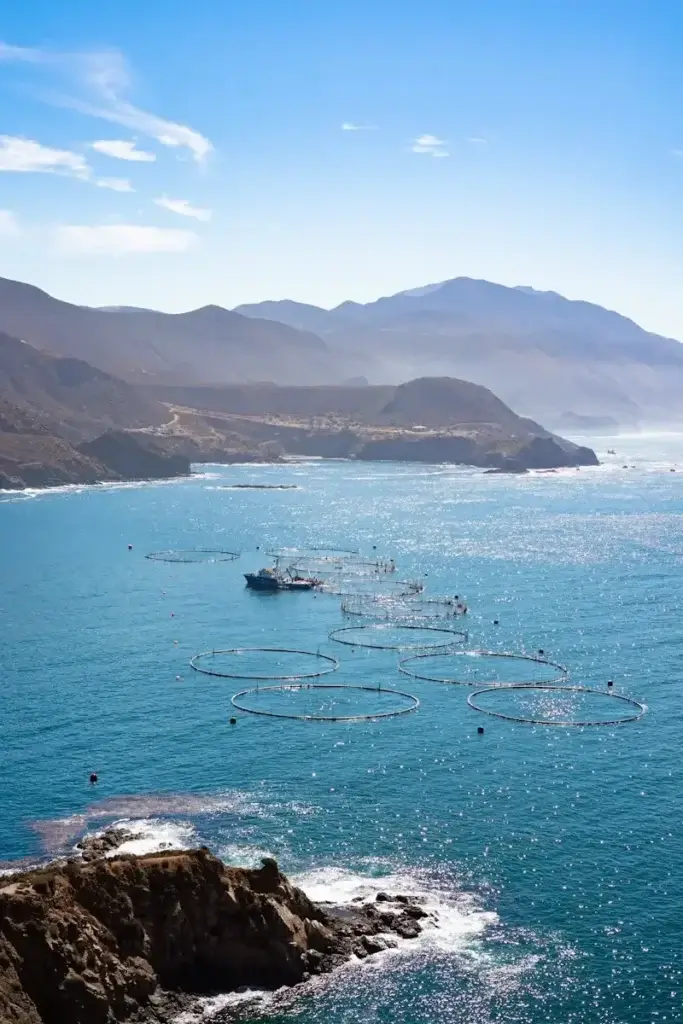
Active Carbon in Aquaculture is the use of high porosity carbon absorbent materials in fish, shrimp, and other aquatic animal husbandry systems to maintain and enhance water quality. With the increase in size of aquaculture activities, the management of water quality is a key determinant of animal health, growth rate, and total farm productivity.
In RAS, pond and hatcheries, there is permanent exposure to bio-waste, non-edible food, metabolism by-products and chemical residues. If they are not managed, the pollutants will quickly build up – raising the amount of ammonia, depleting the oxygen, and the introduction of toxins that can cause stress or death to water animals. Active carbon solves this problem by absorbing dissolved organic compounds, chlorine, heavy metals, residues of drugs, and other pollutants from the water column, providing a cleaner, safer water environment that supports healthy aquatic ecosystems.
Active Carbon can be incorporated into a filter, a storage tank, or a direct injection into the water of the pool – allowing it to be a flexible, practical solution for all sizes of aquatic activities.
Key Advantages of Activated Carbon in Aquaculture
- Effective Removal of Dissolved Organic Compounds: Active Carbon effectively absorbs dissolved organic compounds, tannins, and metabolic residues that cause smog and oxygen depletion – making it more transparent and more environmentally friendly.
- Chlorine & Chloramine Elimination: Active carbon quickly neutralizes chlorine and chloramines -- chemicals that are highly toxic to fish and shrimp -- so that the source water is safe for livestock prior and during use.
- Heavy Metal & Toxin Adsorption: Activated carbon captures trace heavy metals, pesticide residues, and harmful chemical compounds, reducing toxic load in the water and minimizing stress-related mortality among sensitive aquatic species.
- Medication & Chemical Residue Clearance: Activated charcoal effectively removes residual medicines and disinfectants from the body at the end of the illness - preventing chronic, low-level chemical exposure that can impair the immune and growth of the animal.
- Improved Livestock Survival & Growth Rates:Active carbon has a direct impact on the reduction in the prevalence of disease, the reduction in pressure and the improvement in the proportion of feed that is converted into food by keeping the water in a constant state of cleanliness – which is supportive of a better chance of surviving and producing more productive crops.
- Flexible Application Across Farm Types:Active Carbon is adaptable to a wide range of aquatic environments and filter settings from large RAS installations to small-scale fishponds and hatcheries – providing scalable water-quality management for all levels of activity.
Industry Challenges
Rapid Organic Waste Accumulation
Toxic Ammonia & Nitrite Spikes
Heavy Metal & Pesticide Residues
Product overview
Activated Carbon
AQ-GW-1240
Specific Use Scenarios — Activated Carbon in Aquaculture
Source Water Pre-Treatment
Recirculating Aquaculture System (RAS) Filtration
Pond Water Quality Management
Hatchery & Broodstock Water Purification
Post-Treatment Medication Removal
Thermal Reactivation
Our Activated Carbon in Aquaculture Advantages
Broad-Spectrum Contaminant Removal
Active carbon can simultaneously absorb chlorine, heavy metals, dissolved organic matter, drug residue, and poison in one process - providing a complete cleaning of the animal's body to ensure the health of the animal and eliminate the necessity of many chemical interventions.
Fast-Acting & Operationally Flexible
Active carbon provides quick absorption in the form of granules, granules, and granules, which is seamlessly incorporated into the RAS filter unit, the pool, and the hatcheries - providing a secure, scalable water-quality control for each phase of the process.
Livestock Safety & Performance Support
Active carbon is a direct reduction in the physiological stress of the fish and prawns by keeping them clean, low toxic in the water - enhancing immunity, the effectiveness of the feed transformation, the survival rate, and the total yield of the farm.
Find All Activated Carbon Categories
Find All Industrial Solutions
Packaging & Logistics Services
Secure & Customizable Packaging
The products shall be enclosed in a durable, moistureproof pouch or bulk container, so as to guarantee the cleanliness and completeness of transportation. Customized packing options for special size and handling needs.
Reliable & Flexible Global Shipping
Working with reliable logistic partners, we provide a flexible delivery system for maritime, aerial and land-based cargo. Prompt delivery and safe transport to worldwide destinations.
Dedicated Order & Support Coordination
We offer special support for tracking and documenting from the order validation to the last shipment. Availability of technical and logistical support to guarantee the success of the supply chain experience.
Ready to Find Your Perfect Industrial Solution?
How to Order!
Send us your detailed question, or ask for a quote tailored to your activated carbon requirements.
Inquiry Now!
Related Blogs