Wastewater Treatment Activated Carbon
- Home /
- Activated Carbon /
- Activated Carbon Application /
- Water Treatment Activated Carbon /
- Wastewater Treatment Activated Carbon
What Is Wastewater Treatment Activated Carbon?
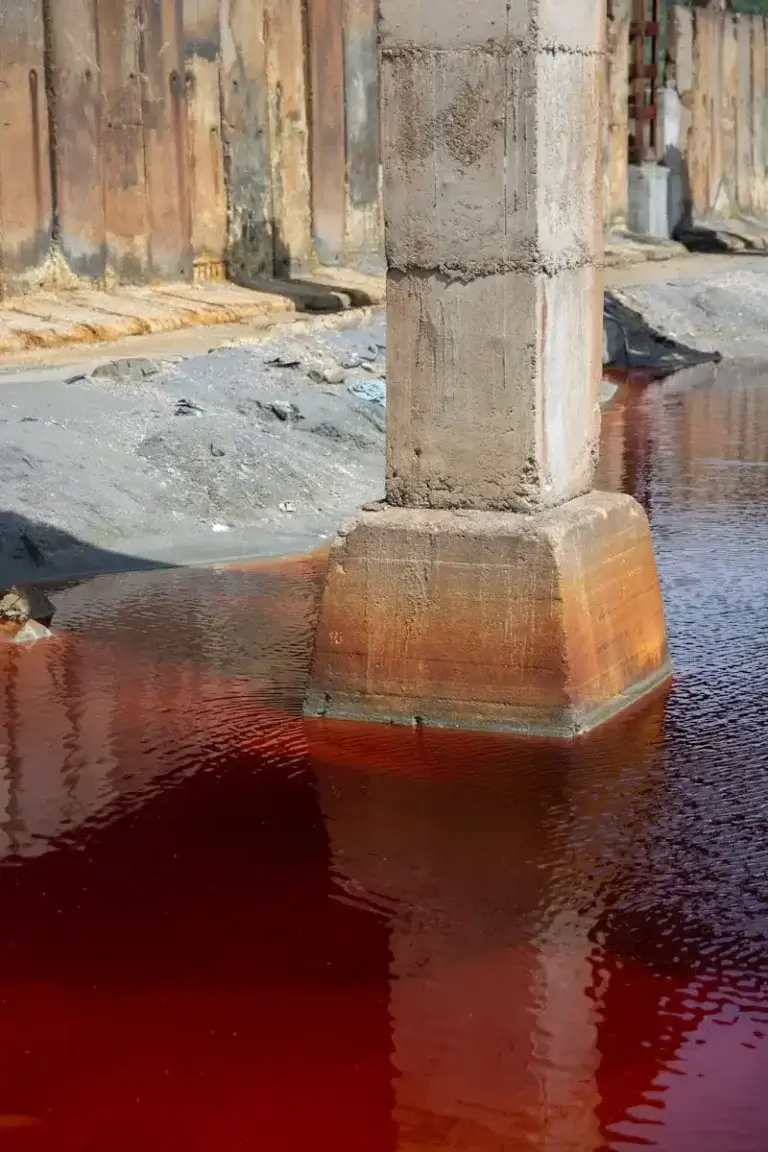
Waste water treatment Active Carbon is a process in which particulate (GAC), PAC, and special active carbon materials are applied in urban and industrial waste water treatment systems. The main role of the system is to eliminate DOC, COD, micro-pollution, toxicants, and new pollutants that can not be properly dealt with by the biotreatment process, such as the active sludge, the drip filter and the membrane bioreactor.
Modern waste water management is confronted with a growing problem: there are increasing concentrations of drugs, endocrine disruptors, pesticides, PFAS, industrial dyestuffs, heavy metal complexes and other micro-organic pollutants in waste water flows which are largely unaffected by traditional second generation processes. Globally, regulatory frameworks — such as the EU’s Urban Wastewater Treatment Directive, U.S. EPA waste water management guidelines, and comparable national emission standards — have been tightening the acceptable pollutant limit values, so that advanced tertiary processing is no longer an option for many city and industry businesses. Active carbon has become one of the best known, universal, and economical third generation techniques, which can bring waste water pollution down to the parts per trillion that is currently required by the regulatory authorities for safe waste water re-use.
Key Advantages of Wastewater Treatment Activated Carbon
- Effective Removal of Recalcitrant Micropollutants: Active carbon can adsorb drugs, pesticides, endocrine disrupters, PFAS and other micropollutants which are resistant to biodegradation to reach a level lower than the regulatory detection limit and to comply with the strictest emission permit conditions.
- Flexible PAC Dosing for Variable Contaminant Loads: Powdered activated carbon can be injected in real-time into an existing bioprocessing phase or a clarifier, enabling the operator to adapt the processing strength to the fluctuation of the input pollutant levels without investing in the infrastructure of the existing waste water treatment facility.
- GAC Polishing for Consistent Effluent Quality and Reuse Readiness:Particulate active carbon fixed bed contactor, which is installed as a third polishing phase, provides a consistent, high-quality effluent that is appropriate for the re-use of industrial process water, the environment discharge, and if allowed indirectly or directly for drinking water, thereby increasing the value and sustainability of each litre of treated waste water.
- COD and Color Reduction in Industrial Effluents: Active carbon offers a credible COD reduction and decolourisation capability for textile dyeing, paper-making, food-processing, and chemical manufacturing plants that produce high-COD, highly coloured waste water.
- Proven Compatibility with Advanced Treatment Trains: Active Carbon is seamless integration with Membrane Bioreactor (MBR), Reverse Osmosis (RO) pretreatment, ultraviolet sterilization, and ozone - acting as a separate grinding phase and a key protection pretreatment layer to prolong the lifetime and properties of high value processing techniques in the downstream.
Industry Challenges
Increasingly Stringent Discharge Regulations
Complex and Variable Influent Contaminant Profiles
Biological Treatment Cannot Remove Recalcitrant Organics
Product overview
Activated Carbon
AQ-GCL-1240
Industrial Effluent Treatment and Discharge Compliance
Industrial Effluent Treatment and Discharge Compliance
Textile and Dye Wastewater Decolorization
Pharmaceutical and Hospital Wastewater Treatment
Landfill Leachate Treatment
Produced Water and Oil and Gas Wastewater Treatment
Advanced Wastewater Reuse and Water Recycling
Our Wastewater Treatment Activated Carbon Advantages
Removes Recalcitrant Contaminants Biological Treatment Cannot
Active carbon absorbs drugs, PFAS, endocrine-disrupting agents, synthetic dyes, and industry chemicals that completely resist biodegradability – offering an advanced finishing phase to bridge the processing gap between traditional second processing and waste water quality requirements for regulatory discharge compliance and secure waste water reuse.
Flexible Deployment Across Existing Treatment Infrastructure
PAC is directly incorporated into an existing bioprocessing phase through a low capital cost delivery system, whereas granular PAC offers a specialized third level polishing - allowing the operator the flexibility to improve the disposal capability at any size without completely re-engineering the existing waste water treatment facility infrastructure.
Enables Wastewater Reuse and Circular Water Economy Goals
Active Carbon Polishing can generate enough pure treatment effluent for agriculture, industrial refrigeration, ground water recharge, and drinking re-use -- turning waste waste from waste treatment into usable water sources and supporting recycling targets that communities and sectors need to prove more and more.
Find All Activated Carbon Categories
Find All Industrial Solutions
Packaging & Logistics Services
Secure & Customizable Packaging
The products shall be enclosed in a durable, moistureproof pouch or bulk container, so as to guarantee the cleanliness and completeness of transportation. Customized packing options for special size and handling needs.
Reliable & Flexible Global Shipping
Working with reliable logistic partners, we provide a flexible delivery system for maritime, aerial and land-based cargo. Prompt delivery and safe transport to worldwide destinations.
Dedicated Order & Support Coordination
We offer special support for tracking and documenting from the order validation to the last shipment. Availability of technical and logistical support to guarantee the success of the supply chain experience.
Ready to Find Your Perfect Industrial Solution?
How to Order!
Send us your detailed question, or ask for a quote tailored to your activated carbon requirements.
Inquiry Now!
Related Blogs