Supercapacitor Activated Carbon
- Home /
- Activated Carbon /
- Activated Carbon Application /
- Energy Storage Activated Carbon /
- Supercapacitor Activated Carbon
What Is Supercapacitor Activated Carbon?
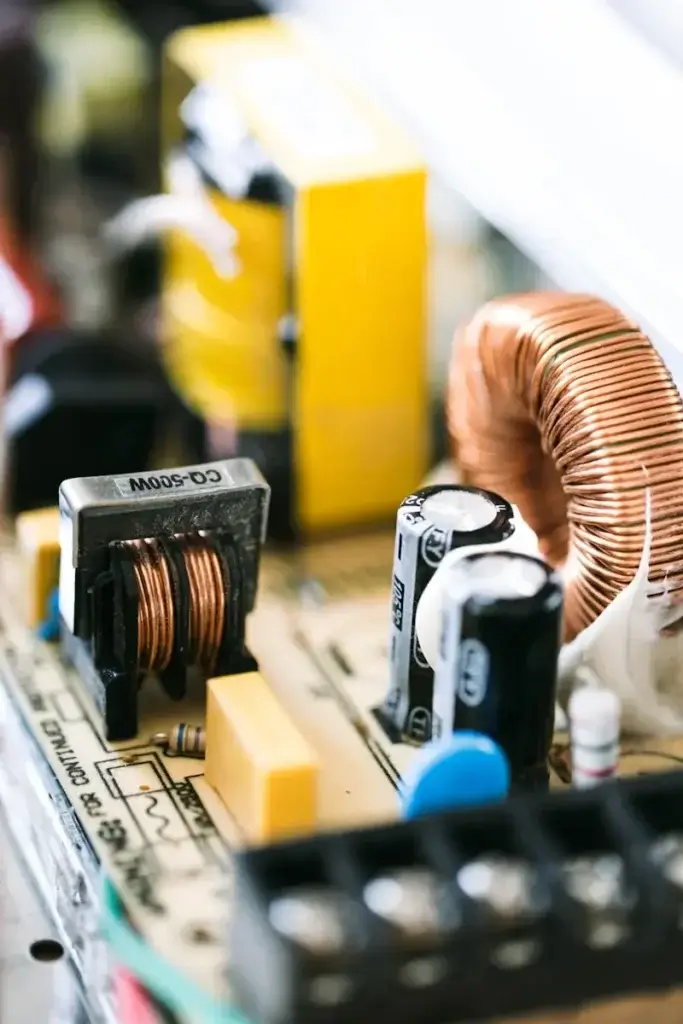
Super Capacitor Active Carbon is a special, well engineered type of active carbon that is used as a main electrode for electrical double layer capacitors (EDLCs) – one of the largest worldwide deployment types of super capacitors. In EDLC, the electric storage is achieved by the reversible absorption and desorbing of the electrolyte on the surface of the active carbon electrode and the liquid electrolyte – a pure physical process which does not involve any chemistry and allows for the extremely fast charge and discharge speed which makes the supercapacitors different from normal cells.
The performance of EDLC super capacitors depends on the characteristics of their active carbon electrodes. The BET surface area — usually between 1500 and 3000 meters per gram for high performance super-capacitors — is a direct control of the capacity and the power density. Pore size distribution determines how effectively electrolyte ions can access the internal carbon surface, governing power density and rate capability. The electric conduction, the amount of ash, the diameter of the grain, and the charge density of the electrode all affect the inner resistance, the self – discharge ratio, and the long term circulation stability. Thus, the production of SC active carbon is much more demanding than that of the filter class, which demands accurate control of each step of the choice of raw material, activation, post processing and quality assurance.
Key Advantages of Supercapacitor Activated Carbon
- Ultra-High BET Surface Area for Maximum Capacitance: Super Capacitance Grade Active Carbon having a BET surface area above 2000 Nm/g offers exceptionally dense electrochemical activation sites, which can maximise the amount of charge stored by a unit weight and allow the EDLC super capacitors to compete with the battery techniques for high power and short term power storage.
- Optimized Pore Size Distribution for High Power Density: Precise micro-poro- and mesoscopic structures provide fast, unimpeded delivery of electrolyte ions to all of the active electrode surfaces – minimum equal serial resistance (ESR), maximum power density, and the ability of subsecond charge and discharge which render supercapacitors essential for regenerative braking, power-quality regulation, and peak-power-assistance applications.
- Ultra-Low Ash and Impurity Content for Extended Cycle Life: The presence of metal and ash in the active carbon speeds up the deterioration of the electrode, improves the self discharge, and decreases the capacity retention during the period of the cycle - making the ultra low ash content a key criterion for the super capacitor class, which has to provide consistent performance across one million or more charging cycles in the EV and the grid.
- Consistent Particle Size and Electrode Processing Compatibility: Accurate grain size distribution and surface chemical properties guarantee even flow of the electrode paste, consistency of the coating, and the repeated thickness of the electrode during the fabrication of the supercapacitor battery – allowing high yield EDLC cells to be produced in a wide range of output in line with strict capacity and resistance requirements.
- Broad Electrolyte Compatibility Across Aqueous and Organic Systems: High performance super capacitor active carbon performs reliably across water, organic (acetonitrile and propene carbonate-based), and ion liquid electrolyte systems — offering versatile electrode material that supports the development of equipment in the full-voltage and temperature-controlled operating range.
Industry Challenges
Balancing Surface Area Against Electrical Conductivity
Ultra-Low Metallic Impurity Requirements Are Technically Demanding
Particle Size Consistency Is Critical for Electrode Manufacturing Yield
Product overview
Activated Carbon
EN-PC-1800
Specific Use Scenarios — Supercapacitor Activated Carbon
Residential and Home Air Purifiers
Grid Energy Storage and Power Quality Conditioning
Renewable Energy Output Smoothing
Industrial Crane and Heavy Equipment Energy Recovery
Hybrid Energy Storage Systems with Lithium-Ion Batteries
Consumer Electronics and Portable Device Power Management
Transportation and Military Backup Power Systems
Our Supercapacitor Activated Carbon Advantages
Ultra-High Surface Area for Maximum Capacitance and Energy Density
Super Capacity Grade Activated Carbon Engineered to BET Surface Area Above 2000 Meters/g provides extraordinary Electrochemical Active Site Density - Direct Maximum EDLC Capacity, Volume Stored Volume, and Competitive Energy-Density Capability Demanded by Super Condenser Makers to Replace Cells in High Power Use.
Optimized Pore Architecture for Superior Power Density and Rate Performance
Accurate micro-pore and mesoscopic distribution guarantees fast, unimpeded flow of electrolyte ions across the entire electrode volume – minimum ESR (EPE), maximum power density, and a subsecond charge capacity essential for regenerative braking, grid frequency adjustment, and peak power assistance applications.
Ultra-Low Impurity Content for Multi-Million Cycle Durability
Strict control over the amount of dust, metal impurities, and surface chemistry provides excellent electrochemistry over one million or more CHARGE-DISCHARGE cycles - keeping the capacity constant, minimising self discharge, and guaranteeing the long operating lifetime required for EV, GTE, EV, and IM applications.
Find All Activated Carbon Categories
The function of a supercapacitor starts by choosing an active carbon class that is tailored to your electrolyte system, the desired capacity, and the power density. We have a wide variety of active carbon products that are specially designed for the production of EDLC electrodes with precise BET surface, pore diameter, grain diameter, and ultra low ash level. View the full Active Carbon catalogue for comparison of specs, and determine the appropriate grade for your super capacitor.
Find All Industrial Solutions
Packaging & Logistics Services
Secure & Customizable Packaging
The products shall be enclosed in a durable, moistureproof pouch or bulk container, so as to guarantee the cleanliness and completeness of transportation. Customized packing options for special size and handling needs.
Reliable & Flexible Global Shipping
Working with reliable logistic partners, we provide a flexible delivery system for maritime, aerial and land-based cargo. Prompt delivery and safe transport to worldwide destinations.
Dedicated Order & Support Coordination
We offer special support for tracking and documenting from the order validation to the last shipment. Availability of technical and logistical support to guarantee the success of the supply chain experience.
Ready to Find Your Perfect Industrial Solution?
How to Order!
Send us your detailed question, or ask for a quote tailored to your activated carbon requirements.
Inquiry Now!
Related Blogs