
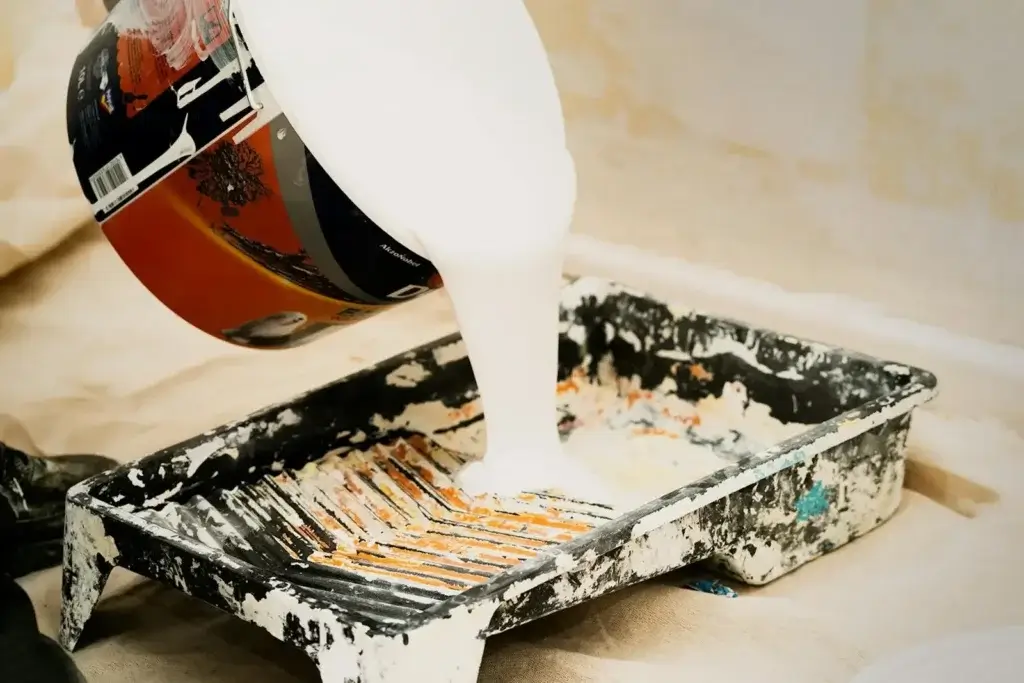
Titanium dioxide (TiO2) ranks among the most commercially significant inorganic compounds in modern industry, with an annual global production exceeding six million metric tons. Its exceptional brightness, extremely high refractive index, and remarkable chemical stability have made it indispensable across a spectrum of sectors, from architectural coatings and automotive finishes to plastics, paper, cosmetics, and even food products. As industries worldwide increasingly demand materials that combine optical performance with long term durability, titanium dioxide continues to occupy a unique and irreplaceable position in the global chemical supply chain.
The global titanium dioxide market was valued at approximately USD 22.28 billion in 2024 and is projected to reach USD 40.07 billion by 2032, growing at a compound annual growth rate of 7.1% during the forecast period, according to Fortune Business Insights. This sustained growth trajectory reflects both the material’s entrenched role in traditional applications and its expanding footprint in emerging fields such as photocatalysis, energy storage, and advanced nanomaterials.
Titanium dioxide (TiO2) is an inorganic white pigment with the chemical formula TiO2, renowned for possessing the highest refractive index and opacity among all commercially available white pigments. It exists primarily in three crystalline forms—rutile, anatase, and brookite—with rutile and anatase being the industrially significant phases. TiO2 delivers superior brightness, ultraviolet (UV) resistance, chemical inertness, and opacity across paints, coatings, plastics, paper, cosmetics, and numerous specialty applications. It is manufactured globally via two dominant processes: the sulfate process and the chloride process.
Understanding titanium dioxide requires examining it from multiple angles—its fundamental chemistry, the structural distinctions between its polymorphs, the engineering behind its large scale production, and the diverse end uses that drive its market. This article provides a structured, evidence based exploration of each of these dimensions, equipping procurement specialists, product formulators, and industry analysts with the knowledge necessary to make informed decisions about TiO2 sourcing and application.
Chemical and Physical Properties of Titanium Dioxide
Titanium dioxide (TiO2, CAS 13463-67-7) is a white, odorless, crystalline powder with a molecular weight of 79.866 g/mol. It is characterized by an exceptionally high refractive index (2.61 for anatase and 2.71 for rutile), a melting point of approximately 1840 degrees Celsius, a density ranging from 3.8 to 4.3 g per cubic centimeter depending on crystalline phase, and near total chemical inertness under ambient conditions. Its wide band gap (3.0 to 3.2 eV) imparts semiconductor behavior and underpins its photocatalytic properties.
Physical Characteristics
Titanium dioxide owes its unrivaled status as a white pigment primarily to its optical properties. The refractive index of rutile TiO2 (2.71) exceeds that of diamond (2.42), meaning that light passing through a TiO2 particle undergoes extreme bending and scattering. This high light scattering efficiency translates directly into opacity and brightness—the two attributes most valued in pigment applications. The following table summarizes the key physical properties across the two industrially dominant phases:
| Property | Rutile TiO2 | Anatase TiO2 |
|---|---|---|
| Crystal System | Tetragonal | Tetragonal |
| Density (g/cm³) | 4.2 to 4.3 | 3.8 to 3.9 |
| Refractive Index | 2.71 | 2.61 |
| Mohs Hardness | 6.0 to 6.5 | 5.5 to 6.0 |
| Band Gap (eV) | 3.0 | 3.2 |
| Melting Point | 1840 degrees Celsius | Converts to rutile above 915 degrees Celsius |
| Dielectric Constant | 114 (powder average) | 48 |
The material’s thermal stability is equally noteworthy. Rutile TiO2 maintains structural integrity up to its melting point of 1840 degrees Celsius, making it suitable for high temperature processing environments such as ceramic and refractory applications. Anatase, by contrast, undergoes an irreversible phase transformation to rutile when heated above approximately 915 degrees Celsius—a property that must be carefully managed during both pigment production and end product formulation.
Chemical Stability and Surface Behavior
Titanium dioxide exhibits remarkable chemical inertness. It does not react with oxygen, hydrogen sulfide, sulfur dioxide, carbon dioxide, or ammonia at ambient temperatures. It is insoluble in water, organic solvents, dilute acids, and weak inorganic acids. The compound dissolves only in hot concentrated sulfuric acid or hydrofluoric acid after prolonged heating. This chemical passivity explains its widespread use in outdoor coatings, marine paints, and chemically aggressive environments.
Despite its bulk inertness, the surface of TiO2 is not entirely passive. Under ultraviolet light irradiation, TiO2 becomes photocatalytically active—a property that is most pronounced in anatase. When UV photons with energy exceeding the band gap strike the TiO2 surface, electron hole pairs are generated. These charge carriers migrate to the surface and drive redox reactions with adsorbed water and oxygen, producing reactive oxygen species such as hydroxyl radicals and superoxide anions. This photocatalytic behavior, while beneficial for applications like self cleaning surfaces and air purification, can also degrade organic binders in paint formulations if not properly managed through surface treatments. Commercial TiO2 pigments are therefore routinely coated with thin layers of silica, alumina, or zirconia to suppress photocatalytic activity while preserving optical performance.
Source: ScienceDirect, “Using TiO2 in photocatalytic reactors” (2025)
Rutile vs. Anatase: Understanding TiO2 Crystal Structures
Rutile and anatase are the two commercially significant crystalline polymorphs of titanium dioxide. Rutile is the thermodynamically stable form, offering superior weathering resistance, higher refractive index, and greater durability in outdoor applications. Anatase exhibits higher photocatalytic activity, softer texture, and slightly higher whiteness, making it preferred for indoor coatings, paper, and certain photocatalysis uses. Approximately 75 to 80 percent of global TiO2 consumption is rutile grade, with anatase accounting for the remaining 20 to 25 percent.
Rutile Titanium Dioxide
Rutile crystallizes in the tetragonal system (space group P42/mnm) with lattice parameters a = 4.59 angstroms and c = 2.96 angstroms. Each titanium atom is coordinated to six oxygen atoms in a slightly distorted octahedral arrangement, and the resulting dense atomic packing accounts for rutile’s higher density, hardness, and refractive index relative to the anatase phase.
The superior photostability of rutile is its defining commercial advantage. In outdoor paint and coating formulations, rutile grade pigments resist chalking, yellowing, and gloss loss over years of UV exposure. This durability stems from rutile’s narrower band gap (3.0 eV vs. 3.2 eV for anatase) and its crystal lattice’s greater thermodynamic stability, which together reduce the generation of reactive free radicals at the pigment binder interface. As a result, rutile TiO2 is the grade of choice for automotive OEM and refinish coatings, marine paints, exterior architectural coatings, outdoor PVC profiles, and any application requiring long term weatherability.
The chloride process predominantly yields rutile grade TiO2 with high purity and uniform particle size distribution. This manufacturing route, combined with advanced surface treatment technologies, enables producers to tailor dispersibility, oil absorption, and tinting strength to meet specific end use requirements.
Anatase Titanium Dioxide
Anatase also adopts a tetragonal structure but crystallizes in the I41/amd space group with larger unit cell dimensions (a = 3.78 angstroms, c = 9.51 angstroms). The less dense packing yields a softer material (Mohs hardness 5.5 to 6.0) that causes less abrasion on processing equipment—a critical advantage in synthetic fiber manufacturing, where anatase TiO2 serves as a delustering agent added to polymer melts before spinning. The softer particles minimize wear on spinneret holes, extending equipment life and maintaining fiber quality.
Anatase is the photocatalytically more active phase. Its wider band gap (3.2 eV) and higher specific surface area promote more efficient charge separation under UV illumination, making it the preferred TiO2 polymorph for photocatalytic applications such as air purification systems, self cleaning glass and ceramic surfaces, water treatment reactors, and antimicrobial coatings. Research continues into extending anatase activity into the visible spectrum through doping with nitrogen, carbon, or transition metals—an area of active investigation in the scientific literature.
In pigment applications, anatase delivers slightly higher whiteness and brightness than rutile, which makes it suitable for indoor paints, paper coatings, and printing inks where UV exposure is minimal. However, its tendency to chalk and yellow under outdoor conditions limits its use to interior or short service life products.
Comparative Overview
| Attribute | Rutile | Anatase |
|---|---|---|
| Market Share | 75 to 80 percent | 20 to 25 percent |
| Weathering Resistance | Excellent | Poor (chalks/yellows outdoors) |
| Photocatalytic Activity | Moderate | High |
| Whiteness | Slightly lower | Slightly higher |
| Hardness (Mohs) | 6.0 to 6.5 | 5.5 to 6.0 |
| Primary Production Route | Chloride process | Sulfate process |
| Key Applications | Automotive coatings, exterior paints, plastics | Indoor paints, paper, fibers, photocatalysis |
How Is Titanium Dioxide Manufactured?
Titanium dioxide is produced industrially via two dominant routes: the sulfate process and the chloride process. The sulfate process, the older and more widely deployed method, uses ilmenite ore or titanium slag dissolved in concentrated sulfuric acid, followed by hydrolysis, calcination, and milling. The chloride process, a more modern continuous method, converts high grade rutile or synthetic rutile feedstock into titanium tetrachloride (TiCl4) through high temperature chlorination, then oxidizes the purified TiCl4 to produce high purity TiO2 pigment. As of 2024, approximately 55 percent of global TiO2 capacity utilizes the sulfate process, with the chloride route accounting for the remainder and steadily gaining share due to its environmental and quality advantages.
The Sulfate Process
The sulfate process begins with the digestion of ilmenite ore (FeTiO3) or titanium slag in concentrated sulfuric acid at temperatures of 150 to 220 degrees Celsius. This exothermic reaction produces a solution of titanyl sulfate (TiOSO4) along with iron and other metal sulfates:
FeTiO3 + 2H2SO4 → TiOSO4 + FeSO4 + 2H2O
After clarification and removal of insoluble residues, the solution undergoes reduction to convert ferric iron to the ferrous state, which is then removed through crystallization as ferrous sulfate heptahydrate (copperas). The purified titanyl sulfate solution is then subjected to controlled hydrolysis by heating and dilution, which precipitates hydrated titanium dioxide. This hydrolysis step is the most critical stage of the process, as it determines the primary particle size and, consequently, the optical properties of the final pigment.
The precipitated hydrate is filtered, washed, and calcined in rotary kilns at temperatures up to 1000 degrees Celsius. During calcination, the amorphous hydrate converts to crystalline TiO2, and process conditions—temperature profile, residence time, and the addition of rutile promoting seed crystals or anatase stabilizing agents (such as potassium, phosphorus, or aluminum compounds)—determine whether the product is anatase or rutile grade. The calcined product is then milled to achieve the target particle size distribution, typically 0.2 to 0.3 micrometers for optimum light scattering performance.
The sulfate process offers significant advantages: it accommodates lower grade and less expensive feedstocks, and it can produce both anatase and rutile grades from the same basic flowsheet. However, it generates substantial quantities of waste—each ton of TiO2 produced yields approximately 3 to 4 tons of ferrous sulfate heptahydrate and 8 to 10 tons of dilute (20 percent) sulfuric acid waste. Managing these by products represents a major environmental and economic challenge for sulfate route producers.
The Chloride Process
The chloride process represents the state of the art in TiO2 manufacturing technology. It begins with the chlorination of high TiO2 content feedstock (natural rutile, synthetic rutile, or upgraded slag) in a fluidized bed reactor at 900 to 1000 degrees Celsius in the presence of petroleum coke as a reducing agent:
TiO2 + 2Cl2 + C → TiCl4 + CO2
The crude titanium tetrachloride vapor produced contains impurities including chlorides of iron, vanadium, zirconium, and silicon. These are removed through fractional distillation, yielding extremely pure TiCl4 (typically exceeding 99.9 percent purity). The purified TiCl4 is then oxidized by reaction with preheated oxygen in a specially designed burner at temperatures above 1500 degrees Celsius:
TiCl4 + O2 → TiO2 + 2Cl2
The reaction generates fine TiO2 particles and chlorine gas, which is recycled back to the chlorination stage—a closed loop design that dramatically reduces waste generation compared to the sulfate route. The TiO2 pigment is rapidly quenched, separated from the gas stream, and subjected to surface treatment and milling identical in principle to those used in the sulfate process.
The chloride process yields a more consistent, higher brightness product with tighter particle size control. Its continuous nature, chlorine recycle loop, and reduced waste footprint make it both more energy efficient and environmentally preferable. However, it demands high purity feedstock, involves handling corrosive chlorine and TiCl4 at elevated temperatures, and requires substantially higher capital investment—factors that have historically limited its adoption outside of major producers with access to rutile resources and the financial capacity for large scale plant construction.
Production Process Comparison
| Parameter | Sulfate Process | Chloride Process |
|---|---|---|
| Feedstock | Ilmenite, titanium slag | High grade rutile, synthetic rutile, upgraded slag |
| Process Type | Batch / semi continuous | Continuous |
| Product Grades | Anatase and rutile | Primarily rutile |
| Waste Generation | High (ferrous sulfate, dilute acid) | Low (chlorine recycled, neutralized metal chlorides) |
| Energy Efficiency | Moderate | Higher |
| Capital Investment | Lower | Significantly higher |
| Product Quality | Good, variable by producer | Excellent, more consistent |
| Global Capacity Share (2024) | Approximately 55 percent | Approximately 45 percent |
Source: Baidu Baike, “Titanium Dioxide Production Methods”; Stonevik, “TiO2 Production Processes”
Major Industrial Applications of Titanium Dioxide
Titanium dioxide is consumed across a diverse range of industries, with paints and coatings accounting for approximately 45 percent of global demand, followed by plastics (approximately 25 percent), paper (approximately 10 percent), and a growing portfolio of specialty applications including cosmetics, pharmaceuticals, food, photocatalysis, and energy storage. Its combination of unmatched opacity, brightness, UV protection, and chemical stability makes it functionally irreplaceable in the vast majority of these end uses.
Paints and Coatings
The paints and coatings sector is the single largest consumer of titanium dioxide, driven by its role as the primary opacifying pigment in architectural, industrial, automotive, and protective coating formulations. In a typical white architectural paint, TiO2 constitutes 15 to 25 percent of the total formulation by weight and is responsible for both hiding power (coverage) and tinting strength.
Architectural Coatings
In interior and exterior architectural paints, TiO2 provides the whiteness and hiding power that allow a single coat to cover underlying substrates and previous colors. Rutile grades dominate exterior applications, where resistance to UV induced chalking and discoloration is required for multi year durability. Anatase grades find use in interior ceiling paints and primers, where whiteness is prioritized over weatherability.
Automotive Coatings
The automotive industry demands the highest performance TiO2 grades. OEM basecoats and clearcoats, as well as refinish systems, require pigments with precisely controlled particle size distribution, excellent dispersibility, and maximum durability. The shift toward electric vehicles has further elevated coating quality standards, as manufacturers seek finishes that convey technological sophistication. TiO2 enhances the depth, gloss, and color consistency of modern automotive finishes while providing critical UV protection to underlying polymer layers.
Industrial and Protective Coatings
Coil coatings, powder coatings, marine paints, and protective industrial finishes all rely on TiO2 for opacity and durability. In coil coating lines, where metal strip is coated at speeds exceeding 100 meters per minute, TiO2 pigments must disperse rapidly and completely to avoid film defects. Marine antifouling and anticorrosive coatings use TiO2 as both a pigment and a component of the barrier layer that protects steel structures in aggressive saltwater environments.
Source: Fortune Business Insights, “Titanium Dioxide Market Report”
Plastics and Polymers
TiO2 is the dominant white pigment and UV stabilizer in the plastics industry. It is incorporated into polyolefins, PVC, engineering thermoplastics, and thermosets to impart whiteness, opacity, and photoprotection.
In outdoor PVC applications such as window profiles, siding, and decking, rutile TiO2 performs a dual function: it provides the desired white or pastel color while simultaneously absorbing and scattering UV radiation that would otherwise degrade the polymer matrix. A loading of 5 to 12 parts per hundred resin (phr) is typical for exterior PVC formulations, and the grade selection is critical—insufficiently durable TiO2 can actually accelerate polymer degradation through photocatalytic attack.
In polyolefin packaging films, TiO2 enhances opacity to protect light sensitive contents and improve printability. Masterbatch producers compound TiO2 at concentrations of 50 to 70 percent into carrier resins, which are then let down by converters at typical final loadings of 3 to 10 percent. The trend toward thinner films and mono material packaging has increased the demand for high performance TiO2 grades that deliver maximum opacity at minimum loading, supporting both sustainability goals and cost reduction.
Paper and Printing Inks
In the paper industry, TiO2 is used to improve brightness, opacity, and printability. It is particularly important in lightweight coated papers, decorative laminates, and paperboard where high opacity is required at low coat weights. Anatase grades, with their higher whiteness and softer texture, are often preferred for paper applications. In decorative laminate papers, rutile TiO2 provides the opacity needed to mask the dark phenolic resin impregnated kraft core, allowing designers to achieve light colors and complex printed patterns.
Printing inks benefit from TiO2’s high refractive index, which provides the opacity needed for white base coats in packaging printing and for opaque white inks used on transparent or dark substrates.
Cosmetics and Personal Care
TiO2 is a widely used ingredient in cosmetics and personal care products, functioning as both a white pigment and, in its ultrafine form, as a physical UV filter in sunscreens. In decorative cosmetics—foundations, powders, eyeshadows, lipsticks—it provides coverage, whiteness, and texture. In sunscreen formulations, nanoscale TiO2 particles (typically 10 to 50 nm primary particle size) absorb and scatter UV radiation while appearing transparent on the skin, addressing the whitening effect associated with larger pigmentary particles. The global trend toward mineral based and “clean” cosmetic formulations has reinforced demand for TiO2 in this sector.
Emerging and Specialty Applications
Beyond its established markets, titanium dioxide is finding growing application in several high value niches:
Photocatalysis and Environmental Remediation
Anatase TiO2 nanoparticles, when irradiated with UV light, generate reactive oxygen species capable of degrading organic pollutants, killing bacteria, and breaking down nitrogen oxides (NOx) in air. This property is exploited in self cleaning building materials, air purifying paints and paving materials, and water treatment systems. Photocatalytic concrete and coatings containing TiO2 have been deployed in urban environments to mitigate air pollution through passive NOx abatement.
Energy Storage and Conversion
TiO2 is a critical component in dye sensitized solar cells (DSSCs) and is under investigation as an anode material for lithium ion and sodium ion batteries. In DSSCs, a mesoporous TiO2 film serves as the electron transport layer onto which light harvesting dye molecules are adsorbed. The high surface area, appropriate band edge positions, and chemical stability of anatase TiO2 make it the benchmark material for this application.
Food and Pharmaceuticals
TiO2 (designated as E171 in the EU and INS 171 internationally) has historically been used as a whitening and opacifying agent in confectionery, baked goods, dairy products, sauces, and pharmaceutical tablet coatings. However, regulatory developments—particularly the EU and UK ban on E171 as a food additive effective August 2022—have prompted reformulation efforts and a shift toward alternative whitening agents in affected markets. It remains permitted in pharmaceutical products and in food applications in jurisdictions including the United States, where the FDA continues to authorize its use.
Source: NutraSafe, “E171 (titanium dioxide) — banned in EU and UK food since August 2022”
Application Breakdown by Sector
| Application Sector | Share of Global TiO2 Consumption | Primary TiO2 Grade | Key Performance Requirements |
|---|---|---|---|
| Paints and Coatings | Approximately 45 percent | Rutile (exterior), Anatase (interior) | Opacity, durability, dispersibility |
| Plastics | Approximately 25 percent | Rutile | UV stability, dispersibility, thermal stability |
| Paper | Approximately 10 percent | Anatase, Rutile | Brightness, opacity, low abrasion |
| Printing Inks | Approximately 5 percent | Rutile | Opacity, rheology, color consistency |
| Cosmetics and Personal Care | Approximately 5 percent | Rutile, Ultrafine TiO2 | Purity, transparency (ultrafine), skin feel |
| Other (fibers, ceramics, food, catalysts) | Approximately 10 percent | Varies by application | Application specific |
Source: GlobeNewsWire, “Titanium Dioxide Market Size to Reach USD 41.81 Billion by 2034”
Titanium Dioxide Market Trends and Global Outlook
The global titanium dioxide market, valued at approximately USD 22.28 billion in 2024, is projected to grow to USD 40.07 billion by 2032, at a compound annual growth rate of 7.1 percent. Asia Pacific dominates the market with a 45 percent share, led by China, which alone accounts for over 40 percent of global consumption. Growth is driven by expanding construction activity, rising automotive production, increasing plastics consumption, and the emergence of high value nanotechnology applications.
Regional Market Dynamics
Asia Pacific’s dominance reflects the region’s rapid urbanization and industrialization. China, as both the world’s largest producer and consumer of TiO2, exerts outsized influence on global supply demand balances and pricing. The country’s sulfate process capacity dominates domestic production, but investments in chloride process plants are accelerating as environmental regulations tighten. India represents the fastest growing major market, driven by government infrastructure initiatives and expanding domestic manufacturing.
North America and Europe, while mature markets in volume terms, remain critical centers for high performance and specialty TiO2 grades. Stringent environmental regulations and the presence of major chloride process producers give these regions a quality advantage in rutile pigment supply. The shift toward chloride route capacity is most advanced in these regions, where sulfate process plants have been gradually retired or converted.
The Middle East and Africa region is projected to grow at the fastest CAGR over the forecast period, supported by coatings industry expansion and automotive sector development in Gulf Cooperation Council countries.
Key Market Drivers
Construction and Infrastructure Development
The global construction industry’s robust growth directly fuels TiO2 demand through paints, coatings, and polymer based building materials. According to market analysis, the construction sector accounts for approximately 30 percent of end use TiO2 consumption. Urbanization in developing economies, renovation activity in mature markets, and government infrastructure spending programs all contribute to sustained demand growth.
Automotive Industry Expansion
Automotive production, particularly in Asia and emerging markets, drives TiO2 consumption in OEM and refinish coatings. The transition to electric vehicles has introduced additional demand, as EV manufacturers emphasize premium finishes and lightweight polymer components that incorporate TiO2 for color and UV protection.
Packaging Industry Evolution
Flexible and rigid packaging demand continues to rise globally, driven by ecommerce growth and changing consumer preferences. TiO2 is used extensively in plastic packaging to provide opacity, UV barrier properties, and aesthetic appeal. The growing emphasis on recyclable and mono material packaging structures has created demand for TiO2 grades that deliver maximum performance at minimum loading.
Nanotechnology and High Value Applications
The ultrafine TiO2 segment, though currently a small fraction of total volume, is growing rapidly. Applications in sunscreens, photocatalytic coatings, energy storage, and biomedical devices command significantly higher per unit prices than commodity pigment grades and represent an important value creation avenue for TiO2 producers investing in R&D.
Competitive Landscape
The global TiO2 industry is moderately concentrated, with the top five producers accounting for a substantial share of global capacity. Production facilities are strategically located near feedstock sources or major consumption regions, and vertical integration into feedstock mining or processing is a common competitive strategy. Recent industry developments include capacity expansions through both brownfield debottlenecking and greenfield construction, as producers position themselves to capture demand growth in Asia and other emerging markets.
Source: IntelMarketResearch, “Industrial Titanium Dioxide Market Growth Analysis”; Fortune Business Insights, “Titanium Dioxide Market”
Safety, Regulatory Status, and Environmental Considerations
Titanium dioxide is generally regarded as a low toxicity material in its bulk form, with decades of safe use in industrial, consumer, and food applications. However, regulatory scrutiny has intensified in recent years around two specific areas: the potential health effects of inhalable TiO2 dust in occupational settings, and the safety of nanoscale TiO2 particles in food and consumer products. The European Union and United Kingdom banned TiO2 (E171) as a food additive in August 2022 based on genotoxicity concerns, while the United States FDA continues to permit its use, creating a significant transatlantic regulatory divergence.
Occupational Health and Safety
In industrial settings, the primary health concern associated with titanium dioxide is inhalation exposure to fine dust. The International Agency for Research on Cancer (IARC) has classified TiO2 as a Group 2B carcinogen (“possibly carcinogenic to humans”) based on sufficient evidence in experimental animals via inhalation exposure. This classification applies specifically to occupational inhalation scenarios involving high dust concentrations and does not reflect risks from dermal contact, ingestion, or normal consumer use.
Regulatory authorities in multiple jurisdictions have established occupational exposure limits (OELs) for respirable TiO2 dust. Manufacturers and downstream users are expected to implement engineering controls—including local exhaust ventilation, enclosed material handling systems, and dust collection—as well as provide appropriate respiratory protection where engineering controls are insufficient. These measures are well established across the TiO2 industry and are routinely incorporated into plant design and standard operating procedures.
Food Additive Status: The EU Ban
In May 2021, the European Food Safety Authority (EFSA) published a scientific opinion concluding that titanium dioxide (E171) could no longer be considered safe as a food additive. The opinion cited concerns about genotoxicity—specifically, the potential for chromosomal damage from the nanoscale fraction of TiO2 particles, which can be taken up by cells and interact with DNA bearing structures during cell division. Because genotoxicity could not be excluded, EFSA was unable to establish a safe daily intake (ADI). Without an ADI, the additive’s safety could not be affirmed.
The European Commission acted on this opinion through Regulation (EU) 2022/63, which removed E171 from the list of authorized food additives with a six month transitional period. The ban took full effect on August 7, 2022. The United Kingdom retained the same prohibition under its parallel retained EU law framework.
The regulatory divergence with the United States is notable: the FDA continues to authorize TiO2 as a food additive, deeming it safe at levels up to 1 percent by weight of the food. Products imported between jurisdictions—such as US produced confectionery sold in European markets—must comply with the stricter local standard.
Environmental Impact of Production
TiO2 manufacturing carries significant environmental implications, particularly for sulfate process plants. The generation of large volumes of dilute sulfuric acid waste and ferrous sulfate by products has historically led to environmental challenges, including acid mine drainage analog issues at disposal sites and marine discharge concerns. Over the past several decades, regulatory pressure—especially in Europe—has driven sulfate process producers to invest in waste acid concentration and recycling systems, by product valorization, and, in some cases, conversion to chloride process technology.
The chloride process, while generating substantially less solid and liquid waste, involves handling chlorine gas and TiCl4 at high temperatures—operations that carry inherent process safety risks and require rigorous containment systems. Chloride route plants are subject to stringent air emission standards for chlorine and hydrogen chloride.
The industry’s environmental trajectory points toward continued adoption of cleaner production technologies, increased recycling of process streams, and development of alternative feedstocks that reduce the environmental burden of TiO2 manufacturing. Sustainability considerations are increasingly influencing procurement decisions among major coatings and plastics manufacturers, creating market pull for lower footprint TiO2 products.
Source: EFSA, “Safety assessment of titanium dioxide (E171) as a food additive” (May 2021); NutraSafe, “E171 (titanium dioxide) — banned in EU and UK food”
Conclusion
Titanium dioxide occupies a uniquely entrenched position in the global materials economy, underpinned by optical properties that no alternative white pigment has yet matched in commercial practice. Its combination of extreme refractive index, chemical inertness, UV absorption, and process versatility has made it indispensable across paints, coatings, plastics, paper, cosmetics, and an expanding array of advanced applications.
The industry is navigating a period of structural change. The gradual shift from sulfate to chloride process technology continues, driven by environmental regulation and quality requirements. Regional demand patterns are evolving, with Asia Pacific—and China in particular—consolidating its role as both the primary production hub and the largest consumption market. Meanwhile, regulatory scrutiny, especially in food and consumer applications, is reshaping product portfolios and creating opportunities for innovation in alternative whitening agents.
For formulators, procurement managers, and business strategists, a nuanced understanding of TiO2 grade selection, production routes, and regulatory context is essential. The choice between rutile and anatase, between sulfate and chloride process material, and between standard and surface treated grades has direct implications for product performance, cost, regulatory compliance, and environmental footprint. As applications diversify and performance requirements become more demanding, TiO2 will remain a material that rewards careful specification and informed sourcing.