
Activated carbon is not a single material. It is a family of engineered adsorbents whose performance characteristics are determined first and foremost by the feedstock from which they are made. Among the six major commercial raw materials, coconut shell, bituminous coal, anthracite, lignite, bamboo, and wood, wood occupies a unique and irreplaceable position. It is the dominant choice for applications requiring the adsorption of large organic molecules, particularly in food, beverage, and pharmaceutical processing where color removal, taste purification, and final product polishing are non-negotiable quality requirements. The global wood activated carbon market was valued at USD 545.1 million in 2024 and is projected to reach USD 1.1 billion by 2034, growing at a compound annual growth rate exceeding 11.1 percent according to industry analysis.
The rapid expansion of the market reflects structural trends that are unlikely to reverse. Tightening environmental regulations on industrial wastewater discharge, growing consumer demand for visually appealing and pure food and beverage products, increasingly stringent pharmacopeia standards for active pharmaceutical ingredients, and a broad industrial shift toward renewable and sustainably sourced processing materials all converge to drive demand for wood-based activated carbon. Unlike coal-derived products that carry a fossil carbon footprint, wood activated carbon is manufactured from forestry byproducts such as sawdust and wood chips, materials that would otherwise be incinerated or landfilled, giving it a compelling circular-economy narrative that resonates with ESG-focused procurement policies.
Wood based activated carbon is a highly porous adsorbent manufactured predominantly from hardwood or softwood sawdust and processing residues through chemical activation using phosphoric acid as the primary activating agent, conducted at carbonization temperatures of 400 to 500°C followed by activation at 600 to 900°C, which produces a material characterized by a macroporous and mesoporous pore structure with BET surface areas of 800 to 1,500 m²/g, iodine numbers of 800 to 1,100+ mg/g, ash content of 2 to 8 percent, and moderate hardness of 60 to 80 percent, and is overwhelmingly produced and used in powdered form for batch-dosing applications where rapid adsorption kinetics, superior decolorization performance, and food-grade purity are required.
This article provides a comprehensive examination of wood-based activated carbon, covering its manufacturing process, physical and chemical properties, primary applications across key industries, competitive positioning, quality evaluation methods, and market outlook. Each section is designed to be read independently while contributing to a complete understanding of this essential industrial material.
How Is Wood Based Activated Carbon Manufactured?
Wood based activated carbon is manufactured through a two-stage thermochemical process that begins with sustainably sourced wood feedstock, typically hardwood or softwood sawdust and processing chips, which undergoes carbonization in an oxygen-limited environment at 400 to 500°C to form a char base, followed by chemical activation where the char is impregnated with phosphoric acid that swells the wood cellulose structure and prevents shrinkage during high-temperature treatment at 600 to 900°C, etching an extensive network of macropores and mesopores into the carbon matrix, and concluding with washing to recover and recycle the acid, drying, and precision grinding to achieve the target particle size distribution, typically with 90 percent or more passing through a 325-mesh screen for powdered grades.
Raw Material Sourcing and Preparation
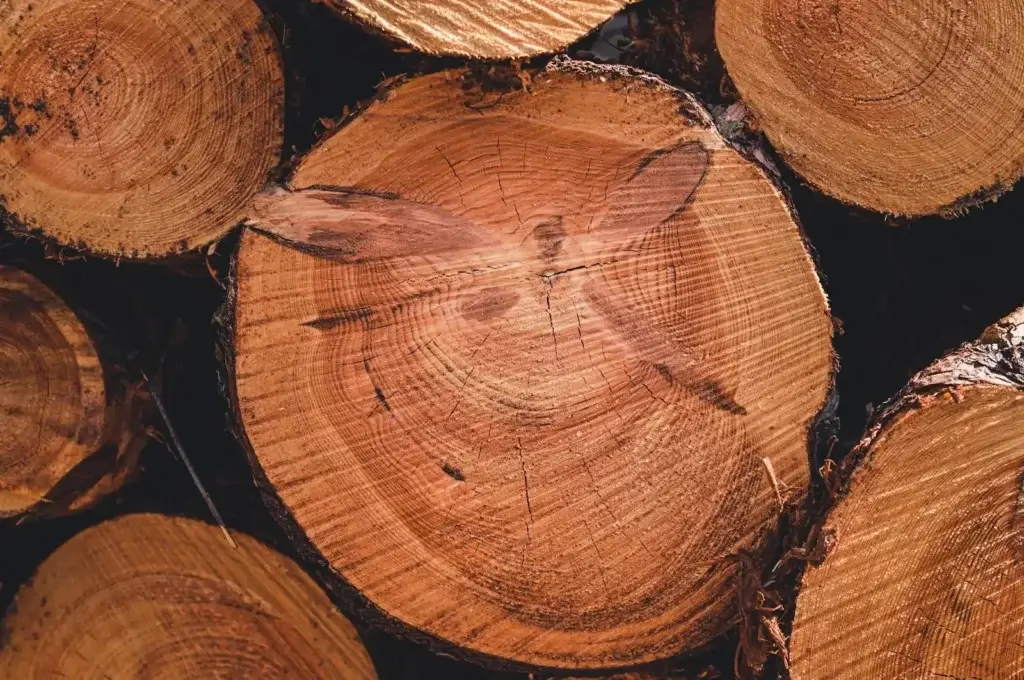
The wood used for activated carbon production is almost exclusively a byproduct of the forestry and timber processing industries. Sawdust, wood chips, planer shavings, and other processing residues from hardwood species such as oak and beech, as well as softwood species such as pine, serve as the primary feedstock. This sourcing model provides two structural advantages. First, it diverts a significant waste stream from incineration or landfill disposal into a high-value industrial product, contributing to circular economy objectives. Second, the cost of raw material is inherently low since it is a residual byproduct rather than a purpose-grown crop, although transportation costs for the bulky, low-density feedstock can be significant and tend to localize production near timber processing centers.
The quality and species composition of the wood feedstock influence the final product characteristics. Hardwoods generally produce activated carbon with higher density and somewhat greater hardness compared to softwoods. The natural fibrous cellular structure of wood, characterized by elongated tracheids and vessel elements, provides the template for the macroporous and mesoporous pore architecture that distinguishes wood-based carbon from microporous coconut shell or coal-based alternatives.
Phosphoric Acid Chemical Activation
Wood-based activated carbon production relies overwhelmingly on chemical activation using phosphoric acid, a method fundamentally different from the steam-based physical activation used for coconut shell and most coal-based carbons. The process begins by mixing the prepared wood feedstock with concentrated phosphoric acid in a controlled ratio. The acid serves multiple functions simultaneously: it penetrates the cellulose and hemicellulose matrix, swelling the wood fibers and opening the cellular structure; it catalyzes dehydration and cross-linking reactions that increase the carbon yield during pyrolysis; and it acts as a template that prevents the collapse and shrinkage of the developing pore structure during carbonization.
The acid-impregnated wood is fed into a rotary kiln and heated to 400 to 500°C under controlled atmospheric conditions. During this stage, volatile organic compounds are driven off, and the wood is converted into a carbon-rich char. The phosphoric acid remains embedded in the carbon matrix, continuing to promote pore development. After carbonization, the material may undergo a secondary activation step at elevated temperatures of 600 to 900°C, where the phosphoric acid further etches and expands the internal pore network, producing the high surface area characteristic of finished wood activated carbon.
Post-activation processing includes thorough washing to extract and recover the phosphoric acid for reuse, which is both an economic and an environmental requirement. Modern production facilities recover over 95 percent of the phosphoric acid through multi-stage countercurrent washing and concentration systems. After washing, the activated carbon is dried, milled to the specified particle size, and subjected to rigorous quality control testing before packaging.
The phosphoric acid route produces activated carbon with several distinctive characteristics: a predominance of mesopores and macropores rather than micropores, a relatively hydrophilic surface chemistry due to residual oxygen-containing functional groups introduced by the acid treatment, and a pH that is typically acidic to neutral, which can be adjusted through post-treatment washing protocols. These properties collectively make phosphoric acid activated wood carbon ideally suited for liquid-phase adsorption of larger organic molecules.
Comparison with Steam Activation
While steam activation is used for some wood-based granular activated carbon grades, it represents a small fraction of total wood carbon production. Steam-activated wood carbon tends to have a different pore distribution, somewhat more micropores and higher hardness, but significantly lower mesopore volume and decolorization performance. For the dominant application, liquid-phase decolorization and purification, phosphoric acid chemical activation is technically superior and more economical at scale.
Key Physical and Chemical Properties
Wood based activated carbon is characterized by a macroporous and mesoporous pore structure optimized for the adsorption of large organic molecules, BET surface areas of 800 to 1,500 m²/g achieved primarily through mesopore development, iodine numbers of 800 to 1,100+ mg/g reflecting moderate microporosity, methylene blue adsorption values distinguishing it as the preferred material for decolorization applications, ash content of 2 to 8 percent with food-grade grades achieving below 3 percent, bulk density of 0.25 to 0.45 g/mL, mechanical hardness of 60 to 80 percent insufficient for aggressive hydraulic conditions but adequate for batch dosing applications, and particle size distributions controlled to ensure optimal dispersion and filtration characteristics in liquid-phase processes.
Pore Structure and Its Functional Significance
The defining technical characteristic of wood-based activated carbon is its pore size distribution. While coconut shell carbon is overwhelmingly microporous with over 85 percent of its pore volume in pores smaller than 2 nanometers, wood carbon distributes its pore volume predominantly across the mesopore range of 2 to 50 nanometers and the macropore range above 50 nanometers. This structural difference is not incidental. It is a direct consequence of the wood feedstock’s natural anatomy and the phosphoric acid activation chemistry.
The functional significance is profound. Large organic molecules such as tannins, lignins, humic substances, color bodies in sugar syrups, and pharmaceutical impurities have molecular dimensions that prevent them from entering the micropores that dominate coconut shell and anthracite-based carbons. They simply cannot physically access the vast internal surface area. Wood carbon’s mesoporous and macroporous architecture provides transport channels and adsorption sites that accommodate these bulky molecules, making it the only commercially viable activated carbon type for high-efficiency decolorization and large-molecule purification.
This pore structure distinction is the single most important factor in selecting activated carbon for a specific application. Using a microporous carbon for decolorization would yield poor results regardless of its iodine number; conversely, using wood carbon for gas-phase small-molecule adsorption would underutilize its mesopore volume. Understanding the contaminant molecular size is the starting point for material selection.
Physical Property Ranges
The table below summarizes representative physical property ranges for commercial wood-based powdered activated carbon.
| Property | Typical Range | Application Significance |
| BET surface area (m²/g) | 800–1,500 | Overall adsorption capacity; values above 1,200 indicate premium grades |
| Iodine number (mg/g) | 800–1,100+ | Microporosity indicator; relevant for small-molecule adsorption |
| Methylene blue (mg/g) | 150–300+ | Mesopore capacity; key indicator for decolorization performance |
| Molasses number | 200–450+ | Decolorizing efficiency for large sugar colorants; industry standard for sugar grades |
| Ash content | 2–8% | Inorganic residue; lower values essential for food and pharmaceutical grades |
| Bulk density (g/mL) | 0.25–0.45 | Affects shipping volume, storage requirements, and dosing calculations |
| Hardness | 60–80% | Mechanical durability; adequate for batch dosing, unsuitable for aggressive backwash systems |
| Moisture content | <10% (as shipped) | Higher moisture reduces effective active carbon delivered per unit weight |
| pH (aqueous slurry) | 2–7 (typically acidic) | Influences compatibility with pH-sensitive process streams |
Surface Chemistry
Wood activated carbon produced through phosphoric acid activation carries a distinctive surface chemistry. Residual oxygen-containing functional groups, including carboxyl, phenolic hydroxyl, lactone, and carbonyl groups, populate the carbon surface. These groups impart a degree of hydrophilicity that enhances wetting and dispersion in aqueous media, a practical advantage for liquid-phase applications where rapid contact between the carbon and the process stream is critical. The acidic surface groups also contribute to cation exchange capacity, which can be beneficial for the removal of certain metal ions and polar organic compounds.
The acidic surface pH, typically in the range of 2 to 5 for unwashed material, can be adjusted upward through extensive washing and neutralization steps. For applications sensitive to pH shifts, such as pharmaceutical purification or certain food processes, neutral or near-neutral grades are specified and produced through modified washing protocols.
Primary Industrial Applications
Wood based activated carbon serves as the industry-standard adsorbent for sugar decolorization, the largest single application globally, and extends across food and beverage processing including edible oil purification, fruit juice clarification, wine fining, and sweetener refining, pharmaceutical manufacturing for API purification, intermediate decolorization, and final product polishing to meet USP and EP pharmacopeia standards, industrial wastewater treatment for the removal of recalcitrant organic dyes, dissolved color bodies, and residual COD from textile and chemical effluents, municipal drinking water treatment as a seasonally dosed powdered carbon for taste and odor control and disinfection byproduct precursor removal, and chemical manufacturing for the purification of organic acids, solvents, catalysts, and fine chemical intermediates.
Sugar Decolorization
Sugar refining is the largest and most technically demanding application for wood-based powdered activated carbon. Raw cane sugar, and to a lesser extent beet sugar, contains a complex mixture of color-imparting compounds, including melanoidins from Maillard reactions, caramels from thermal degradation, flavonoids and phenolic compounds from the plant source, and alkaline degradation products of reducing sugars. These color bodies range in molecular weight from a few hundred to tens of thousands of Daltons, with the majority falling in the range that requires mesopores and macropores for effective adsorption.
In a typical cane sugar refinery, powdered activated carbon is dosed into the process liquor at rates of 0.2 to 1.0 percent by weight of sugar solids, contacted for 15 to 30 minutes under controlled temperature and agitation, and then removed by filtration. The carbon adsorbs color bodies, some ash-forming minerals, and high-molecular-weight impurities that would otherwise compromise the whiteness and purity of the final refined sugar. The spent carbon, containing adsorbed colorants and sugar, is typically disposed of after a single use, although some refineries employ thermal regeneration for high-volume operations.
The molasses number is the critical quality specification for sugar-grade carbons. This test measures the amount of color removed from a standardized molasses solution under defined conditions and directly correlates with performance in industrial sugar decolorization. Premium sugar-grade wood carbons achieve molasses numbers exceeding 400.
Food and Beverage Processing
Beyond sugar, wood activated carbon is integral to a wide range of food and beverage purification processes:
Edible oil processing employs wood carbon for bleaching and the removal of chlorophyll, carotenoids, oxidation products, and trace contaminants such as polycyclic aromatic hydrocarbons from vegetable oils including palm, soybean, coconut, and canola oil. The carbon is typically used in conjunction with bleaching earths in a combined adsorption system.
Fruit juice production uses powdered activated carbon for decolorization and the removal of patulin, a mycotoxin produced by mold contamination in apple juice, as well as the adsorption of bitter compounds and off-flavors in citrus juices.
Alcoholic beverage processing utilizes wood carbon for the removal of fusel oils, esters, and other congeners in vodka and neutral spirit production, the correction of color and off-flavors in rum and whiskey, and the fining of wine to remove phenolic bitterness and oxidative browning.
Sweetener refining of high-fructose corn syrup, glucose syrup, and non-nutritive sweeteners such as stevia extracts requires activated carbon for decolorization, deodorization, and the removal of hydroxymethylfurfural, a heat-induced degradation product.
Pharmaceutical Manufacturing
The pharmaceutical industry imposes the most stringent purity requirements on wood activated carbon. Applications include the decolorization and purification of active pharmaceutical ingredients during synthesis, the removal of catalysts and reaction byproducts from intermediate process streams, and the final polishing of injectable solutions to meet USP, EP, and JP pharmacopeia standards for color, clarity, and purity.
Pharmaceutical-grade wood carbons are produced under current Good Manufacturing Practice conditions with exhaustive quality documentation. Key specifications include extremely low levels of acid-soluble substances, water-extractable impurities, heavy metals below regulatory thresholds, and microbiological control to ensure freedom from pathogens. The phosphoric acid activation route is advantageous here because the residual phosphorus content is substantially lower than the zinc chloride activation historically used for some pharmaceutical carbons, where zinc residues pose a toxicity concern.
Industrial Wastewater Treatment
Wood powdered activated carbon is extensively used for tertiary treatment of industrial wastewater, particularly from textile dyeing, chemical manufacturing, and pharmaceutical production facilities. These effluents contain dissolved organic compounds that resist conventional biological treatment, including synthetic dyes with complex aromatic structures, pharmaceutical active compounds, and high-molecular-weight chemical intermediates.
In practice, powdered carbon is dosed directly into the wastewater stream or into a dedicated contact tank, mixed thoroughly to ensure dispersion, and then separated by sedimentation or filtration. The rapid adsorption kinetics of powdered carbon, attributable to the immediate availability of its surface area and the short diffusion path lengths in fine particles, enable effective contaminant removal within contact times of 15 to 60 minutes. This makes it suitable for both continuous treatment and emergency spill response scenarios.
Municipal Water Treatment
Municipal water treatment plants employ wood powdered activated carbon on a seasonal or as-needed basis to address taste and odor episodes, typically caused by algal blooms that release geosmin and 2-methylisoborneol, compounds with odor thresholds in the low parts-per-trillion range. The carbon is injected as a slurry at the intake, in the rapid mix chamber, or at the flocculation basin, providing contact before removal by sedimentation and filtration. Powdered carbon dosing is also used for the removal of dissolved organic carbon to reduce disinfection byproduct formation potential and for responding to chemical spill events in source water.
Quality Specifications and Testing Methods
Wood based activated carbon quality is assessed through a set of internationally standardized test methods that measure physical properties, adsorption performance, purity, and particle characteristics. The iodine number, methylene blue adsorption, and molasses number are the three primary adsorption metrics, each measuring a different pore size range. Ash content, moisture content, pH, and particle size distribution constitute the essential physical and chemical specifications. For food and pharmaceutical grades, additional tests for acid-soluble matter, water-extractable substances, heavy metals, and microbiological parameters are mandatory.
Adsorption Performance Indicators
The three principal adsorption tests for wood activated carbon each address a distinct aspect of performance:
Iodine Number (ASTM D4607) measures the milligrams of iodine adsorbed per gram of carbon at a residual iodine concentration of 0.02N. Iodine is a small molecule that accesses micropores, making this test an indicator of total microporosity and overall surface area. For wood carbon, iodine numbers typically range from 800 to over 1,100 mg/g. While important for general quality assessment, iodine number alone is insufficient for predicting decolorization performance, which depends on mesopore volume.
Methylene Blue Adsorption measures the quantity of methylene blue dye, a molecule with a cross-sectional diameter of approximately 1.2 nanometers, adsorbed per gram of carbon. This test targets the mesopore range and is a more relevant indicator than iodine number for predicting performance in color removal and medium-molecular-weight contaminant adsorption. Premium decolorizing grades achieve methylene blue numbers exceeding 250 mg/g.
Molasses Number (or Decolorizing Efficiency) is the industry-standard method for assessing sugar decolorization performance. A standardized molasses solution is treated with the carbon under defined conditions, and the percentage of color removed is measured spectrophotometrically. This test uses real-world colorant molecules with a broad molecular weight distribution and is the most reliable predictor of field performance in sugar refining.
Purity Specifications
The purity requirements for wood activated carbon vary significantly by end use. Industrial wastewater treatment grades may accept ash content up to 8 percent. Food processing grades typically require ash below 5 percent and strict limits on acid-soluble and water-soluble extractable matter. Pharmaceutical grades demand the most rigorous purity profiles, with heavy metal limits specified in parts per million for lead, arsenic, mercury, and cadmium, low total organic carbon leachables, and compliance with USP Chapter <643> for total organic carbon in pharmaceutical waters.
The following table summarizes typical purity specifications by application grade.
| Parameter | Industrial Grade | Food Grade | Pharmaceutical Grade |
| Ash content | <8% | <5% | <3% |
| Moisture | <10% | <10% | <8% |
| pH | 2–7 | 5–8 | 5–7 |
| Acid-soluble matter | <5% | <2% | <1% |
| Water-extractable matter | <3% | <1% | <0.5% |
| Lead | Not specified | <5 ppm | <2 ppm |
| Arsenic | Not specified | <3 ppm | <2 ppm |
Particle Size Control
Particle size distribution is a critical quality parameter for powdered activated carbon because it directly affects dispersion, adsorption kinetics, and post-treatment filtration. The standard specification is the percentage passing through a 325-mesh screen, corresponding to a nominal opening of 44 microns. Typical specifications range from 90 to 99 percent passing 325 mesh, with finer grades providing faster kinetics but potentially slower filtration and higher carbon carryover into the filtrate. The optimal particle size represents a balance specific to each application’s contact time, mixing conditions, and filtration equipment.
Market Dynamics and Future Outlook
The wood activated carbon market, valued at USD 545.1 million in 2024 with a projected compound annual growth rate of 11.1 percent through 2034 reaching USD 1.1 billion, is driven by the convergence of tightening global environmental regulations on industrial wastewater discharge, expanding food and beverage processing sectors particularly in Asia-Pacific markets, increasing pharmaceutical purity standards that necessitate higher adsorbent quality and greater consumption volumes, and the structural advantage of wood as a renewable, sustainably sourced feedstock that aligns with corporate ESG commitments and circular economy procurement policies.
Market Structure and Regional Dynamics
The Asia-Pacific region is expected to dominate the wood activated carbon market through the forecast period, driven by rapid industrialization, urbanization, and expanding food and beverage manufacturing sectors in China, India, and Southeast Asian nations. China maintains a particularly strong production base, with major manufacturing clusters in Fujian and Jiangxi provinces where timber processing infrastructure is concentrated. North America, with the United States market alone projected to reach USD 234.8 million by 2034 growing at 11.5 percent CAGR, represents the second-largest regional market, driven by stringent EPA regulations on drinking water quality and industrial discharge.
The powdered segment dominates the product mix, accounting for the majority of market volume and growing at a projected 11.7 percent CAGR to 2034. Granular wood activated carbon, produced primarily through steam activation rather than phosphoric acid activation, serves niche applications in fixed-bed adsorbers and vapor-phase systems but represents a significantly smaller market share.
From an application perspective, liquid-phase adsorption holds the largest revenue share at 33.2 percent in 2024, valued at USD 162.6 million, with decolorization and purification applications in food, beverage, and pharmaceutical sectors collectively representing the majority of consumption.
Growth Drivers
Several structural trends underpin the strong growth forecast:
Environmental regulation remains the primary demand driver. Stricter discharge limits for industrial wastewater, including tighter controls on color, chemical oxygen demand, and specific organic pollutants, compel treatment upgrades that increase activated carbon consumption. The European Union’s Industrial Emissions Directive, the United States Clean Water Act effluent guidelines, and equivalent regulations in China and India all point toward more rigorous enforcement and lower permitted discharge concentrations.
Food and beverage quality standards continue to rise globally. Consumer expectations for visually appealing, consistently colored, and impurity-free products in categories ranging from white sugar and clear fruit juices to premium spirits and edible oils drive increased and more sophisticated use of activated carbon in processing.
Pharmaceutical regulatory requirements under USP, EP, and ICH guidelines mandate progressively tighter impurity controls in drug substances and drug products, increasing both the volume of activated carbon consumed per unit of pharmaceutical production and the quality specifications demanded of the carbon itself.
Sustainability procurement policies increasingly favor renewable, bio-based, and waste-derived materials over fossil-origin alternatives. Wood activated carbon’s origin as a forestry byproduct that would otherwise be incinerated or landfilled provides a compelling sustainability narrative. For corporations subject to Scope 3 greenhouse gas emissions reporting and those with public net-zero commitments, selecting wood-based carbon over coal-based alternatives contributes measurable reductions in reported supply-chain emissions.
Challenges and Constraints
The market faces several headwinds. Raw material supply and cost volatility represent the most significant operational challenge, as sawdust and wood chip availability is tied to construction and furniture industry cycles that are themselves cyclical and regionally variable. Transportation costs for the low-density feedstock constrain the economically viable sourcing radius, incentivizing colocation of carbon production with timber processing centers. Competition from alternative decolorization technologies, including ion exchange resins, membrane filtration, and advanced oxidation processes, creates substitution pressure in specific applications, although activated carbon retains advantages in cost-effectiveness, simplicity, and broad-spectrum efficacy.
Summary
Wood-based activated carbon occupies a unique and commercially vital position in the global adsorbent market. Its macroporous and mesoporous structure, produced through phosphoric acid chemical activation of forestry byproduct sawdust and wood chips, makes it the irreplaceable choice for the decolorization of sugar, edible oils, and beverages, the purification of pharmaceutical active ingredients, and the tertiary treatment of colored industrial effluents. No other activated carbon type provides comparable performance for the adsorption of large organic molecules weighing hundreds to thousands of Daltons.
The market’s projected growth from USD 545.1 million in 2024 to USD 1.1 billion by 2034, at a compound annual rate exceeding 11 percent, reflects the alignment of powerful structural drivers: tightening environmental regulations, expanding food and pharmaceutical processing capacity particularly in Asia-Pacific, and the increasing economic value of sustainability credentials in industrial procurement. As the only major activated carbon type produced almost exclusively from waste-stream feedstock through a recoverable-chemical activation process, wood carbon stands at the intersection of performance and sustainability, a position that will only strengthen as environmental accountability deepens across global supply chains.