
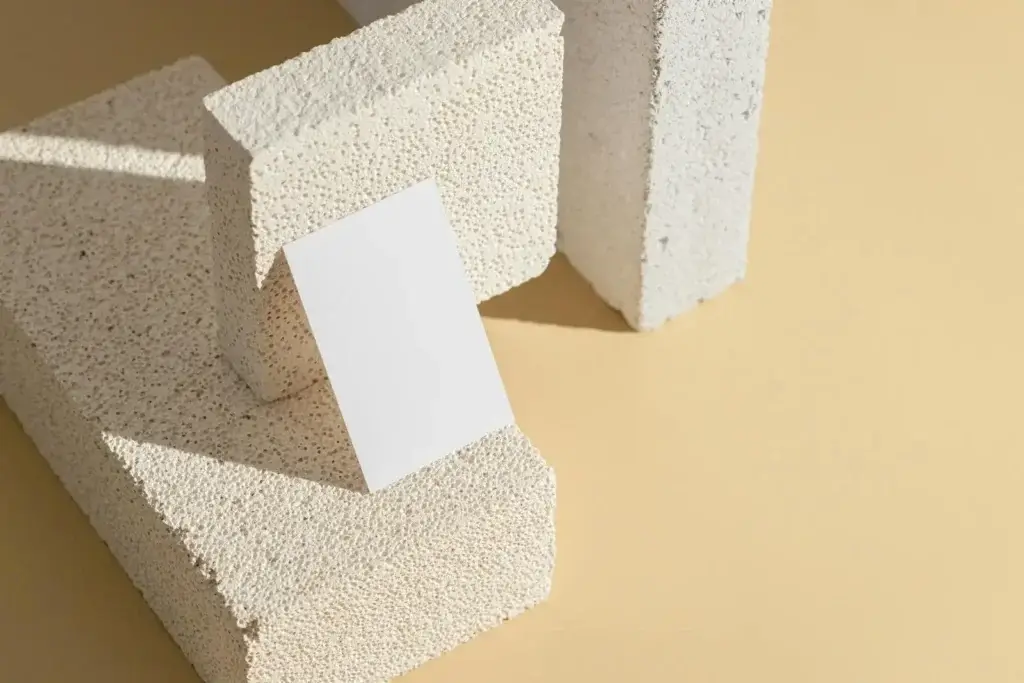
Advanced ceramics have reshaped how modern industries manage heat, filter contaminants, and catalyze chemical reactions. Among these materials, alumina foam stands out as a versatile, high-performance solution that combines the inherent strengths of aluminum oxide (Al₂O₃) with a unique three-dimensional porous architecture. From the foundry floor to the chemical reactor, from automotive exhaust systems to high-power electronics, alumina foam has become an indispensable engineering material. Its open-cell structure enables fluid flow with minimal pressure drop while providing enormous surface area for filtration, catalysis, and thermal management. As industries worldwide push toward higher efficiency, stricter emission standards, and lighter-weight designs, alumina foam is increasingly the material of choice for engineers and procurement professionals seeking reliable performance under extreme conditions.
Alumina foam is a highly porous ceramic material made from aluminum oxide (Al₂O₃) featuring an interconnected three-dimensional open-cell structure that delivers exceptional thermal stability up to 1200°C, high porosity of 80–90%, excellent chemical inertness against molten metals and corrosive chemicals, and a unique combination of low density and adequate compressive strength. Its defining characteristics make it the preferred material for molten metal filtration, catalyst support, thermal insulation, and acoustic damping across the metallurgy, chemical processing, electronics, and environmental engineering sectors.
The breadth of alumina foam applications continues to expand as manufacturing innovations drive down costs and improve consistency. Understanding what alumina foam is, how it is produced, what distinguishes it from competing materials, and where the market is heading enables informed procurement and engineering decisions. This guide covers every major dimension of alumina foam, from the chemistry and manufacturing processes that define its microstructure to the practical selection criteria that determine success or failure in real-world deployments. Whether you are specifying filters for an aluminum foundry, designing a catalytic reactor, or evaluating thermal management solutions for next-generation electronics, the following sections provide the technical depth and comparative context needed to make sound material choices.
What Is Alumina Foam and How Is It Manufactured?
Alumina foam is a reticulated ceramic material composed predominantly of aluminum oxide (Al₂O₃), characterized by a three-dimensional open-cell network of interconnected struts and pores. It is produced through the polymeric sponge replication method, in which a polyurethane foam template is coated with an alumina ceramic slurry, dried, and then sintered at high temperatures—typically between 1100°C and 1500°C—to burn out the organic template and densify the ceramic skeleton, resulting in a rigid, highly porous structure with porosity levels reaching 80–90%.
The dominant manufacturing route for alumina foam is the organic foam impregnation technique, also known as the polymeric sponge method or replica technique. The process begins with the selection of a polyurethane sponge with a carefully chosen pore density, expressed in pores per inch (PPI). This sponge serves as a sacrificial template that determines the final pore architecture of the alumina foam. The sponge is first cut to the desired dimensions and may undergo surface modification treatments to improve slurry adhesion.
The next critical step is slurry preparation. Alumina powder, typically with Al₂O₃ content ranging from 70% to over 95% depending on the target grade, is mixed with binders, rheology modifiers, sintering aids, and suspending agents to form a stable, homogeneous ceramic slurry. The viscosity and solid loading of this slurry are tightly controlled because they directly influence the coating thickness on the sponge struts and, consequently, the final density and mechanical strength of the foam.
During impregnation, the polyurethane sponge is immersed in the slurry and passed through rollers to remove excess material, ensuring a uniform coating across the entire foam skeleton. The coated sponge—referred to as the green body—undergoes a controlled drying process to remove moisture, reducing water content to below 1%. The dried green body then enters the sintering furnace, where the temperature is ramped through two critical stages: first, a burnout phase at around 400–600°C to pyrolyze the organic polyurethane and binder constituents, and second, a high-temperature sintering phase at 1100–1500°C to densify the alumina particles into a continuous ceramic network. The result is a rigid, self-supporting alumina foam that faithfully replicates the original sponge geometry while exhibiting the thermal and chemical properties of dense alumina ceramic.
Variations in alumina purity, sintering temperature, and slurry formulation allow manufacturers to tailor foam properties for specific applications. Higher-purity formulations (90%+ Al₂O₃) are preferred for applications requiring maximum chemical inertness and temperature resistance, while formulations with modest silica or zirconia additions can enhance thermal shock resistance without significantly increasing cost. Recent advances in additive manufacturing and 3D printing techniques have also begun to enable direct shaping of alumina foam precursors, bypassing some of the geometric constraints imposed by the traditional replica method.
Key Physical and Chemical Properties of Alumina Foam
Alumina foam combines a unique set of properties: porosity of 80–90% with bulk density as low as 0.35 g/cm³, maximum service temperature of 1100–1200°C, compressive strength of 0.8–2.0 MPa, thermal conductivity in the range of 0.5–2.0 W/m·K at elevated temperatures, excellent resistance to acid and alkali corrosion, and chemical stability against molten aluminum that prevents secondary inclusion formation during filtration. These properties derive from the intrinsic characteristics of aluminum oxide combined with the geometric advantages of an open-cell foam architecture.
The thermal performance of alumina foam is one of its most valued attributes. With a melting point of approximately 2100°C for dense alumina, the foam form maintains a practical maximum service temperature of 1100–1200°C, well above the typical aluminum pouring range of 680–800°C. This generous safety margin means that properly handled alumina foam filters rarely experience thermal failure in foundry service. The material’s thermal shock resistance, rated at approximately 5–6 cycles from 800°C to room temperature for standard grades, is moderate compared to zirconia but fully adequate for aluminum and non-ferrous applications when proper preheating protocols are followed. For aluminum casting, preheating filters to 300–400°C before metal contact virtually eliminates thermal shock cracking risk.
The mechanical properties of alumina foam reflect a deliberate trade-off between strength and porosity. The open-cell structure gives the material a bulk density typically in the 0.35–0.55 g/cm³ range, making it lightweight and easy to handle despite being a ceramic. Cold compressive strength generally exceeds 0.8 MPa, with some formulations reaching 2.0 MPa or higher, while flexural strength is typically above 0.6 MPa. These values, while modest compared to dense alumina (which can exceed 2000 MPa compressive strength), are more than adequate for foundry filter applications where the primary mechanical demand comes from the static pressure of the molten metal head and routine handling during installation.
On the chemical side, alumina foam exhibits outstanding corrosion resistance. The material demonstrates good resistance to both concentrated and dilute acids, alkalis, halogens, and metals. In molten aluminum service, this chemical stability is particularly critical: because the filter composition is itself aluminum oxide, there is no driving force for chemical reaction between the filter and the melt. This eliminates the risk of filter degradation introducing secondary inclusions into the casting—a failure mode that can occur with less chemically compatible filter materials. The electrical properties are equally noteworthy, with a volume resistivity exceeding 10¹⁴ ohm·cm at room temperature and a dielectric constant of 9–10.1, making alumina foam suitable for electrical insulation applications in addition to its thermal and filtration roles.
| Property | Typical Value |
| Main Composition | Al₂O₃ (70–95%) |
| Color | White |
| Porosity | 80–90% |
| Bulk Density | 0.35–0.55 g/cm³ |
| Pore Density Range | 8–60 PPI |
| Max Service Temperature | 1100–1200°C |
| Melting Point (dense Al₂O₃) | ~2100°C |
| Compressive Strength | ≥ 0.8 MPa |
| Flexural Strength | ≥ 0.6 MPa |
| Thermal Conductivity | 0.5–2.0 W/m·K (at temperature) |
| Thermal Shock Resistance | 5–6 cycles (800°C to RT) |
| Volume Resistivity | > 10¹⁴ ohm·cm at 25°C |
| Dielectric Constant | 9–10.1 |
Major Industrial Applications of Alumina Foam
Alumina foam serves four primary industrial functions: molten metal filtration in aluminum and non-ferrous foundries, catalyst support in chemical reactors and emission control systems, thermal insulation in high-temperature furnaces and aerospace components, and acoustic absorption in noise-sensitive environments. Each application exploits a different combination of the material’s high porosity, thermal stability, chemical inertness, and interconnected pore architecture.
Molten metal filtration is by far the largest application segment for alumina foam, accounting for approximately USD 84.86 million in global demand in 2025. In aluminum foundries, alumina ceramic foam filters are installed in the gating or pouring system to trap non-metallic inclusions such as oxide films, slag particles, and refractory debris before they can enter the mold cavity. The filtration mechanism is multifaceted: larger inclusions are captured by mechanical interception at the strut surfaces, while smaller particles are trapped through deep-bed filtration throughout the entire filter thickness. Simultaneously, the tortuous flow path through the foam structure converts turbulent metal flow into laminar flow, reducing air entrapment and re-oxidation. The net effect is a significant reduction in inclusion-related scrap, improved surface finish, enhanced mechanical properties, and higher first-pass yield. Applications span gravity casting, low-pressure casting, continuous casting, and direct-chill casting of aluminum billets and slabs.
In the chemical and petrochemical sectors, alumina foam functions as a catalyst support material where its combination of high surface area, thermal stability, and chemical inertness proves invaluable. The open-cell structure provides a large geometric surface area for the deposition of catalytically active coatings while maintaining low pressure drop for gas or liquid flow through the reactor bed. Alumina foam catalyst supports are employed in catalytic cracking processes, combined heat and power units, and automotive exhaust after-treatment systems. In pollution control applications, alumina foam substrates coated with catalytic washcoats facilitate the conversion of harmful emissions—including carbon monoxide, unburned hydrocarbons, and nitrogen oxides—into less harmful substances. The material’s resistance to thermal cycling and corrosive exhaust gases ensures long service life under the demanding conditions found in industrial emission control systems.
Thermal insulation represents another growing application domain. Alumina foam’s low thermal conductivity, combined with its ability to withstand continuous exposure to temperatures exceeding 1000°C, makes it suitable for furnace linings, kiln insulation, and heat shields in aerospace components. Its low density also contributes to overall weight reduction in thermal protection systems, an increasingly important consideration in aerospace and automotive lightweighting initiatives. Beyond thermal management, the acoustic absorption properties arising from the interconnected pore network are leveraged in industrial noise control applications, where alumina foam panels can dampen sound in high-temperature environments where polymeric foams would degrade.
The electronics sector is an emerging frontier for alumina foam applications. Its combination of moderate thermal conductivity (enabling heat spreading) and excellent electrical insulation (preventing short circuits) positions it as a candidate material for heat sinks, substrates, and thermal interface components in high-power electronic devices. As power densities in semiconductor devices continue to rise, the demand for lightweight, electrically insulating thermal management materials is expected to grow accordingly.
Alumina Foam vs. Other Ceramic Foam Materials
For aluminum and non-ferrous metal filtration, alumina foam provides the optimal balance of cost and performance. Silicon carbide offers higher temperature capability (up to 1500°C) at a higher price point, making it the preferred choice for iron and steel filtration, while zirconia delivers the best thermal shock resistance and the highest service temperature (up to 1700°C) but commands a significant cost premium. The selection among these three materials depends primarily on the molten metal type, pouring temperature, cleanliness requirements, and budget constraints of the foundry operation.
Understanding the comparative landscape requires examining the key performance dimensions across the three dominant ceramic foam filter materials. Each material occupies a distinct position in the cost-performance spectrum, and the optimal choice is rarely about selecting the “best” material in absolute terms but rather the one that meets the application requirements without over-specification and unnecessary expense.
Temperature capability is the most straightforward differentiator. Alumina foam’s 1100–1200°C maximum service temperature comfortably exceeds the 680–800°C pouring range of aluminum and its alloys, providing a generous safety margin without incurring the cost of higher-temperature ceramics. Silicon carbide extends this to approximately 1500°C, enabling its use in iron casting where pouring temperatures reach 1300–1450°C, while zirconia’s 1700°C limit accommodates steel casting at 1500–1650°C. For aluminum foundries, selecting silicon carbide or zirconia over alumina provides no practical thermal benefit while increasing material cost.
Chemical compatibility tells a more nuanced story. Alumina’s inherent stability against molten aluminum is a decisive advantage in non-ferrous applications: because the filter is predominantly Al₂O₃, it does not react with the melt to produce degradation products. Silicon carbide, while chemically stable in iron and steel environments, can react with aluminum under certain conditions. Zirconia offers broad chemical compatibility but at a price premium that is difficult to justify for aluminum applications where alumina already performs excellently.
Thermal shock resistance follows a different ranking. Zirconia leads this category due to its transformation toughening mechanism, followed by silicon carbide, with alumina rated as moderate. However, this property difference must be contextualized: for aluminum casting with proper preheating, alumina’s thermal shock resistance is “fully adequate” in the words of industry practitioners. The importance of thermal shock resistance grows with increasing pouring temperature, making it a more significant factor in ferrous casting applications.
| Property | Alumina (Al₂O₃) | Silicon Carbide (SiC) | Zirconia (ZrO₂) |
| Max Service Temperature | 1100–1200°C | ~1500°C | ~1700°C |
| Thermal Shock Resistance | Moderate | Good | Excellent |
| Chemical Stability vs. Molten Al | Excellent | Moderate (can react) | Excellent |
| Compressive Strength | ≥ 0.8 MPa | ≥ 1.2 MPa | ≥ 1.0 MPa |
| Porosity | 80–90% | 80–90% | 80–90% |
| Relative Cost | Low | Medium | High |
| Primary Metal Application | Aluminum, non-ferrous | Iron, copper alloys | Steel, superalloys |
| Density | 0.35–0.55 g/cm³ | 0.45–0.65 g/cm³ | 0.55–0.80 g/cm³ |
From an economic standpoint, alumina foam filters typically cost significantly less than equivalent silicon carbide or zirconia filters. For the tens of thousands of aluminum foundries worldwide producing millions of castings daily, this cost differential accumulates into substantial operational savings over time. The economic case for alumina in aluminum applications rests on the principle that the material’s properties perfectly match the application requirements without wasteful over-specification.
How to Select the Right Alumina Foam for Your Application
Selecting the correct alumina foam involves evaluating five interdependent parameters: pore density (PPI), filter dimensions (length, width, thickness), alumina purity grade, geometric configuration (plate, block, or custom shape), and compatibility with the specific casting or process parameters including metal type, pouring temperature, flow rate, and desired filtration capacity. A systematic approach to these selection criteria ensures optimal filtration performance, adequate metal flow, and cost-effective operation.
Pore density, measured in pores per inch (PPI), is the most consequential selection parameter because it directly governs the trade-off between filtration efficiency and metal flow rate. Lower PPI values (10–20 PPI) provide larger pore openings that allow higher flow rates with minimal pressure drop, making them suitable for high-volume applications or alloys with higher viscosity. Higher PPI values (30–60 PPI) offer finer filtration with greater inclusion capture efficiency but at the cost of increased flow resistance. The table below provides general guidance for PPI selection based on casting application:
| PPI Grade | Typical Application | Key Consideration |
| 10 PPI | Large aluminum billets, slabs, ingots | Maximum flow rate, coarse filtration |
| 20 PPI | Standard aluminum sand and gravity castings | Balanced filtration and flow |
| 30 PPI | High-quality automotive and aerospace castings | Enhanced cleanliness |
| 40–60 PPI | Precision investment castings, thin-wall components | Maximum inclusion removal |
Filter dimensions must be matched to the gating system geometry and the total metal throughput. Standard square plate sizes range from 7 × 7 inches (178 × 178 mm) to 23 × 23 inches (585 × 585 mm), with typical thicknesses of 20–50 mm. The filter area should provide sufficient open frontal area to handle the expected pouring rate without excessive metal head buildup. A commonly used sizing guideline is to match the filter cross-sectional area to approximately 3–5 times the cross-sectional area of the downsprue to ensure adequate flow capacity. Filtration capacity—the total tonnage of metal that a single filter can process before requiring replacement—is also size-dependent and should be factored into production planning.
Alumina purity grade affects high-temperature performance and chemical stability. Standard commercial grades range from approximately 70% to over 95% Al₂O₃, with higher purity grades offering improved refractoriness and chemical inertness at the cost of increased material expense. For routine aluminum foundry work, 70–85% alumina grades provide sufficient performance. High-purity grades (90%+ Al₂O₃) are reserved for critical applications involving premium alloys, stringent cleanliness specifications, or elevated processing temperatures approaching the material’s upper limit.
Installation practices are equally critical to successful outcomes. Alumina foam filters should be preheated to 300–400°C before metal contact to minimize thermal shock. The filter must be seated securely in the filter print or filter box to prevent bypass—where molten metal flows around rather than through the filter—and the gating system should be designed to maintain a positive metal head above the filter throughout the pour. Proper installation orientation ensures that the full filter thickness participates in deep-bed filtration rather than functioning as a surface-only barrier.
Alumina Foam Market Size, Trends, and Future Developments
The global alumina foam market reached approximately USD 146.26 million in 2025 and is projected to grow at a compound annual growth rate (CAGR) of 5.4% to reach USD 211.36 million by 2032, driven primarily by rising demand for high-purity metal filtration in automotive and aerospace supply chains, expanding applications in electronic thermal management, and tightening environmental regulations that mandate more effective emission control and pollution abatement technologies.
Asia Pacific leads global alumina foam consumption, capturing an estimated USD 61.98 million in 2025 revenue, a position underpinned by the region’s dense concentration of secondary aluminum production, steel foundries, and electronics manufacturing in China, India, Japan, and South Korea. North America and Europe follow as mature markets characterized by high adoption rates in established industrial sectors and stringent quality requirements in aerospace and automotive casting. The market segmentation by foam type shows open-cell alumina foam dominating with an estimated USD 115.39 million in 2025 revenue, as its interconnected pore architecture is essential for the filtration and catalysis applications that constitute the bulk of demand. Closed-cell alumina foam occupies a smaller but growing niche focused on thermal and acoustic insulation.
Among application segments, molten metal filtration remains the largest single consumer of alumina foam, representing approximately USD 84.86 million in 2025 market value. The catalyst support and thermal insulation segments account for the balance, with the electronics thermal management sector emerging as a notable growth driver. The broader ceramic foam insulation market—within which alumina foam is the largest material sub-segment at 42.2% share—was valued at USD 585.5 million in 2025 and is projected to reach USD 897.83 million by 2032, growing at a CAGR of 6.3%.
Several technology trends are reshaping the market landscape. Additive manufacturing and 3D printing techniques are enabling the production of alumina foam components with precisely controlled pore geometries that cannot be achieved through the traditional replica method, expanding the material’s applicability in fields such as biomedical implants and advanced aerospace components. Manufacturers are also investing in more energy-efficient sintering processes and exploring the use of recycled alumina feedstock to reduce the environmental footprint of production. The development of multi-functional alumina foams—materials that combine filtration capability with catalytic activity or that integrate electrical conductivity through the addition of secondary phases—represents another active area of research and product development.
The market does face constraints. High manufacturing costs linked to the energy-intensive sintering process and the multi-step replication method limit adoption in cost-sensitive applications where cheaper alternatives such as fiberglass or polymeric filters may suffice. The inherent brittleness of ceramic foam materials also restricts their use in applications involving mechanical impact or vibration. Nevertheless, the steady growth trajectory, combined with the material’s unique position at the intersection of high-temperature performance, chemical stability, and geometric versatility, suggests that alumina foam will continue to expand its industrial footprint through 2032 and beyond.