
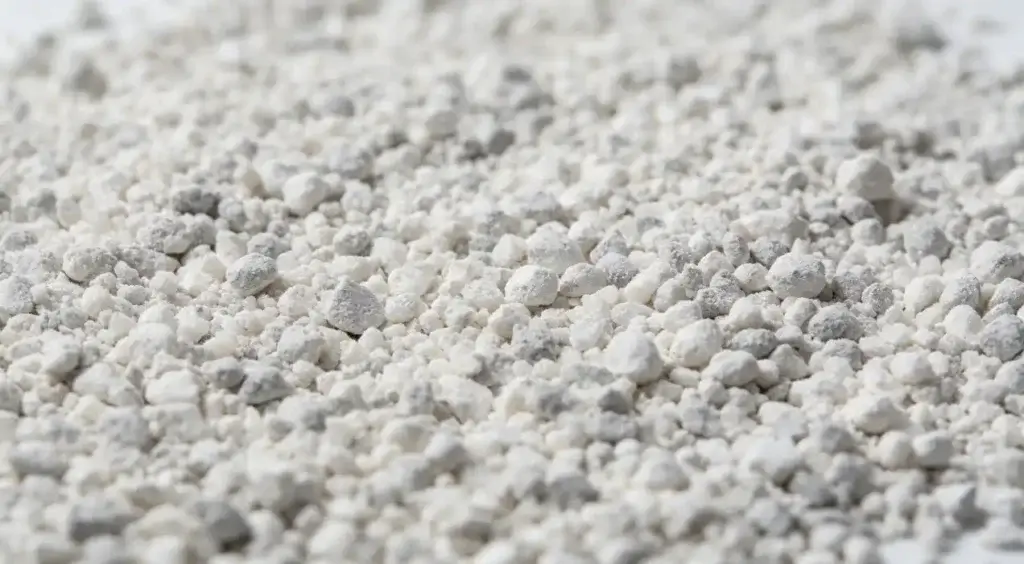
Alumina, or aluminum oxide (Al2O3), in its nanostructured forms has become one of the most sought-after advanced ceramic materials of the twenty-first century. Its exceptional combination of high surface area, thermal stability exceeding 1,000 degrees Celsius, outstanding mechanical strength, and chemical inertness makes it indispensable across industries ranging from catalysis and filtration to energy storage and biomedical engineering. Among the various nanostructured alumina morphologies, nanofibers have attracted particularly intense research and commercial interest due to their one-dimensional architecture, which provides anisotropic mechanical reinforcement, continuous electron transport pathways, and high-aspect-ratio geometries ideal for composite integration.
Despite the immense promise of alumina nanofibers, their widespread industrial adoption has been constrained by a persistent bottleneck: conventional synthesis methods are either too expensive, too complex, or incapable of delivering the precise structural control that advanced applications demand. Electrospinning requires costly precursor preparation and high-voltage equipment. Sol-gel methods involve multi-step processing with sensitive hydrolysis conditions. Template-assisted approaches generate waste from template removal. Against this backdrop, a transformative manufacturing paradigm has emerged: dealloying synthesis, a process borrowed from metallurgy that selectively dissolves one component from an alloy to leave behind a nanostructured product. When applied to aluminum-containing alloys under carefully controlled conditions, dealloying offers a direct, catalyst-free, and economically attractive pathway to high-quality alumina nanofibers with tunable crystal phases.
Dealloying alumina refers to the process of synthesizing aluminum oxide (Al2O3) nanostructures, particularly nanofibers, through the selective dissolution of one metallic component from an aluminum-based alloy in a reactive liquid medium. The most advanced and commercially promising variant uses Al-Li binary alloys immersed in alcohol solvents at moderate temperatures to spontaneously generate aluminum alkoxide nanofibers, which are then calcined into crystalline gamma or alpha phase Al2O3 nanofibers without the need for catalysts, templates, or expensive additives.
This convergence of metallurgical dealloying principles with ceramic materials synthesis represents more than an incremental laboratory advance. It addresses the fundamental economic barrier that has limited alumina nanofiber adoption: the cost of production. By eliminating the need for metal alkoxide precursors purchased from chemical suppliers, by operating at atmospheric pressure and moderate temperatures, and by avoiding template removal steps altogether, the dealloying route can dramatically reduce both capital and operating expenditures. The global alumina nanofiber market, valued at approximately USD 467 million in 2025 and projected to reach over USD 1.65 billion by 2034 at a compound annual growth rate of 15.2%, makes the commercial stakes of manufacturing innovation unmistakably clear.
What Is Dealloying and How Does It Apply to Alumina Synthesis?
Dealloying is a metallurgical process in which one or more components of a multicomponent alloy are selectively removed, leaving behind a porous or nanostructured residue of the remaining element or compound. When applied to alumina synthesis, dealloying exploits the reactivity of freshly exposed aluminum surfaces created by the dissolution of a sacrificial alloying element such as lithium, enabling the aluminum to react directly with alcohols or other oxygen-bearing media to form aluminum alkoxide intermediates that convert to Al2O3 upon calcination.
Dealloying has been a recognized phenomenon in metallurgy and corrosion science for over a century. The most familiar industrial example is the production of Raney nickel catalyst, where aluminum is selectively leached from a Ni-Al alloy using concentrated sodium hydroxide, leaving behind a highly porous nickel structure with catalytic activity that has powered hydrogenation reactions since the 1920s. The underlying mechanism is electrochemical in nature: the less noble metal (aluminum, in this case) serves as a sacrificial anode and dissolves into the etching medium, while the more noble component reorganizes by surface diffusion into a continuous nanoporous network. This principle has been extensively studied for noble metals such as gold, platinum, and palladium, as reviewed in a comprehensive analysis of dealloying-enabled hierarchical porous metals.
The application of dealloying to alumina synthesis represents a conceptual leap beyond the traditional framework. Rather than leaving behind a porous metal, the objective is to use the fresh metal surface generated by dealloying as a reactive substrate that converts directly into an oxide precursor. In the Al-Li system, lithium dissolution exposes unsaturated aluminum atoms at the alloy surface. These atoms possess dangling bonds with sufficient chemical potential to react spontaneously with alcohol molecules, forming aluminum alkoxide (Al(OR)3) compounds that crystallize as nanofibers through a boundary strain energy minimization mechanism. The lithium component is not merely removed; its dissolution actively drives the formation of the desired product by continuously regenerating reactive aluminum sites.
The dealloying-to-oxide concept extends beyond the Al-Li system. Researchers have also explored dealloying-inspired selective volatilization processes for creating porous alumina-based ceramics. A 2025 study demonstrated that the selective volatilization of zinc from gahnite-containing alumina-zinc oxide composites produced porous refractory ceramics with pore sizes in the 0.5 to 3 micron range, ideal for high-temperature thermal insulation applications. These developments collectively signal that dealloying, long confined to metallurgy, is being reimagined as a general-purpose synthesis platform for oxide ceramic materials.
How Does the Al-Li Dealloying Route Produce Alumina Nanofibers?
The Al-Li dealloying route produces alumina nanofibers through a two-stage process: first, a binary Al-Li alloy is immersed in an alcohol solvent such as ethanol at 60 degrees Celsius, where lithium dissolution drives the spontaneous formation of aluminum ethoxide (Al(EtO)3) nanofibers; second, these alkoxide nanofibers are calcined in air at controlled temperatures between 600 and 1,200 degrees Celsius to yield either polycrystalline gamma-Al2O3 or monocrystalline alpha-Al2O3 nanofibers, with diameters of 50 to 150 nanometers and aspect ratios exceeding 600.
The first stage of the process begins with the preparation of the Al-Li alloy feedstock. Aluminum and lithium are melted together in controlled proportions, typically with lithium content ranging from 5 to 15 weight percent, to produce a homogeneous binary alloy. When this alloy is submerged in anhydrous ethanol and heated to 60 degrees Celsius, a fascinating sequence of events unfolds at the solid-liquid interface. Lithium, being significantly more electropositive than aluminum, dissolves preferentially into the ethanol, forming lithium ethoxide as a soluble byproduct. This dissolution is not merely subtractive; it continuously exposes new aluminum atoms at the alloy surface, each with chemically unsaturated bonds. These exposed aluminum atoms are sufficiently reactive to attack ethanol molecules, forming aluminum ethoxide through a direct reaction that does not require any external catalyst.
The morphology of the aluminum alkoxide product depends critically on the choice of solvent. When anhydrous methanol is used as the reaction medium, the product forms as irregular particles rather than fibers. Isopropanol yields nanorod-like structures. Ethanol uniquely promotes the growth of well-defined nanofibers with high aspect ratios. This solvent selectivity, as described in a 2025 Journal of Advanced Ceramics publication, is attributed to the specific interaction between the ethanol molecule’s alkyl chain length, its solvent polarity, and the coordination geometry of the aluminum atoms during the alkoxide polymerization process. Molecular dynamics simulations confirm that Al3+ ions form a first solvation shell with approximately 8.79 ethanol molecules at a distance of 2.43 angstroms, compared to 4.03 ethanol molecules at 1.85 angstroms for Li+, demonstrating that aluminum-ethanol coordination dominates the reaction environment.
The growth of the alkoxide nanofibers follows a boundary strain energy minimization mechanism. As aluminum atoms at grain boundaries react with ethanol and polymerize through Al-O-Al linkages, internal stresses from the phase transformation are accommodated by the one-dimensional growth morphology. This stress accommodation prevents fiber fracture and enables the formation of fibers with aspect ratios as high as 600, a remarkable achievement for a solution-phase process operating without any templating agent. After the dealloying reaction is complete, the alkoxide nanofibers are separated from the reaction medium, washed with fresh ethanol to remove lithium ethoxide byproducts, and dried.
The second stage, calcination, converts the aluminum alkoxide nanofibers into crystalline alumina. At 600 degrees Celsius, the alkoxide decomposes and reorganizes into polycrystalline gamma-Al2O3 nanofibers with diameters of approximately 50 to 80 nanometers and lengths of 20 to 30 micrometers. These fibers consist of numerous nanocrystalline domains, giving them a high specific surface area suitable for catalysis and adsorption. Increasing the calcination temperature to 1,200 degrees Celsius triggers a phase transformation to alpha-Al2O3, producing monocrystalline nanofibers with diameters of 100 to 150 nanometers and a characteristic bamboo-like morphology. Each alpha-Al2O3 fiber segment is a single crystal, conferring exceptional mechanical strength and chemical stability at elevated temperatures.
| Calcination Temperature | Alumina Phase | Crystal Structure | Fiber Diameter | Key Properties |
| 600 to 800 degrees Celsius | Gamma (gamma-Al2O3) | Polycrystalline | 50 to 80 nm | High surface area, excellent adsorption |
| 1,000 degrees Celsius | Gamma (gamma-Al2O3) | Polycrystalline, increasing crystallinity | 50 to 80 nm | Transitional structure |
| 1,200 degrees Celsius | Alpha (alpha-Al2O3) | Monocrystalline | 100 to 150 nm | Maximum thermal and mechanical stability |
What Are the Key Advantages Over Conventional Synthesis Methods?
The dealloying route to alumina nanofibers offers three decisive advantages over conventional electrospinning, sol-gel, and template methods: it eliminates the need for expensive catalyst precursors and additives, it operates at ambient pressure and moderate temperatures with a simpler process flow, and it provides tunable control over both crystal phase (gamma versus alpha) and fiber morphology through straightforward parameter adjustments such as calcination temperature and alloy composition.
Conventional electrospinning of alumina nanofibers requires the preparation of a viscous precursor solution containing aluminum salts or alkoxides dissolved in a polymer carrier such as polyvinylpyrrolidone or polyvinyl alcohol. The solution must be electrostatically drawn through a high-voltage field, typically 10 to 30 kilovolts, to form fibers that are then calcined to remove the polymer and convert the precursor to alumina. While electrospinning can produce fibers with diameters below 100 nanometers, the process is energy-intensive, sensitive to ambient humidity, and limited in throughput because each spinneret produces only one fiber at a time. Scaling up electrospinning to industrial production volumes requires multi-nozzle arrays that introduce significant complexity and cost.
Sol-gel processing of alumina nanofibers involves the controlled hydrolysis and condensation of aluminum alkoxide precursors, often aluminum isopropoxide or aluminum sec-butoxide, in the presence of structure-directing agents such as surfactants or chelating ligands. The hydrolysis reaction is notoriously difficult to control because aluminum alkoxides react violently with water, making gel uniformity challenging to achieve reproducibly. Furthermore, the alkoxide precursors themselves are expensive specialty chemicals synthesized through multi-step processes, directly inflating the raw material cost. Template-assisted methods, which use porous anodic alumina or polymer membranes as sacrificial scaffolds, add the cost of template fabrication and removal on top of precursor expenses.
The dealloying route bypasses these cost drivers by using metallic aluminum and lithium as starting materials rather than pre-synthesized alkoxide chemicals. The aluminum alkoxide is generated in situ during the dealloying reaction, eliminating the need to purchase, store, and handle moisture-sensitive organometallic precursors. The only consumable reagent is the alcohol solvent, which is inexpensive and can potentially be recovered and recycled in a closed-loop industrial process. The lithium ethoxide byproduct, being soluble and easily separated by washing, represents a recoverable lithium stream that could further improve process economics.
Process simplicity is the second major advantage. The dealloying reaction proceeds at atmospheric pressure and 60 degrees Celsius, requiring only a heated vessel and stirring apparatus, not the high-voltage power supplies of electrospinning or the precisely controlled humidity chambers of sol-gel processing. The entire synthesis from alloy immersion to dried alkoxide fibers can be completed in approximately 72 hours, after which calcination follows standard ceramic processing protocols. The process is inherently scalable; larger alloy ingots can be immersed in larger solvent volumes without fundamental changes to the reaction mechanism.
Crystal phase control represents the third advantage. By simply adjusting the calcination temperature, the same batch of alkoxide nanofiber precursor can be converted into either high-surface-area gamma-Al2O3 for catalytic applications or high-strength alpha-Al2O3 for structural composites. No other single synthesis route offers this degree of phase flexibility from identical starting material. Additionally, the lithium content of the starting alloy can be used to tune fiber morphology, with higher lithium concentrations (15 weight percent) producing more uniform fiber diameters than lower concentrations.
| Synthesis Method | Precursor Cost | Equipment Complexity | Crystal Phase Control | Scalability | Fiber Diameter |
| Dealloying (Al-Li) | Low (metal feedstock) | Low (heated vessel) | Excellent (temperature-tunable) | High | 50 to 150 nm |
| Electrospinning | High (alkoxide + polymer) | High (HV power supply) | Moderate (calcination-dependent) | Moderate (multi-nozzle needed) | 50 to 500 nm |
| Sol-Gel | High (alkoxide precursors) | Moderate (humidity control) | Moderate | Moderate | 100 to 500 nm |
| Template-Assisted | High (template + precursor) | Moderate | Limited (template-defined) | Low | Template-defined |
What Are the Primary Industrial Applications?
Dealloying-derived alumina nanofibers address critical performance requirements across five major industrial sectors: high-temperature filtration and separation, heterogeneous catalysis and catalyst supports, lightweight structural and thermal insulation composites, biomedical scaffolds and drug delivery, and energy storage devices including advanced battery separators and supercapacitor electrodes.
High-temperature filtration is one of the most natural applications for alumina nanofibers. Their combination of thermal stability above 1,000 degrees Celsius, chemical resistance to both acidic and basic environments, and nanoscale fiber diameters enabling the capture of submicron particulates makes them ideal for hot gas filtration in power generation, chemical processing, and metallurgical operations. The high aspect ratio of dealloying-derived nanofibers (exceeding 600:1) creates filter media with exceptionally low pressure drop per unit filtration efficiency, a critical parameter for reducing fan energy consumption in industrial ventilation systems. Compared to conventional ceramic filter candles, nanofiber membranes offer several-fold higher specific surface area and correspondingly higher contaminant loading capacity.
Catalysis represents the largest current market segment for alumina nanofibers by volume. Gamma-Al2O3 is the most widely used catalyst support material in the chemical industry, providing the high surface area necessary for dispersing precious metal active sites in processes ranging from petroleum refining to automotive emission control. The gamma-Al2O3 nanofibers produced by the dealloying route, with their polycrystalline structure and high surface area, are directly applicable as catalyst supports with the added benefit of one-dimensional morphology that can be assembled into self-supporting catalyst monoliths, eliminating the pressure drop and attrition losses associated with packed-bed pellet configurations. The global push toward stricter emission standards continues to drive demand for more effective catalyst materials.
Lightweight structural composites represent a high-growth application. Alumina nanofibers can be incorporated into polymer, metal, and ceramic matrices to improve tensile strength, fracture toughness, and wear resistance without significantly increasing density. In aerospace applications, where every kilogram of weight reduction translates to fuel savings over the aircraft’s service life, alumina nanofiber-reinforced aluminum matrix composites offer an attractive combination of specific strength and high-temperature capability. The monocrystalline alpha-Al2O3 nanofibers produced at higher calcination temperatures, with their single-crystal structure and superior mechanical properties, are particularly well-suited for this application.
In biomedical engineering, the biocompatibility of alumina opens doors to applications in tissue engineering scaffolds, wound dressings, and drug delivery vehicles. The high surface area of gamma-Al2O3 nanofibers enables high drug loading capacity, while their one-dimensional geometry can be processed into non-woven mats that conform to wound surfaces and promote cell adhesion and proliferation. The absence of toxic catalysts or additives in the dealloying synthesis route is a significant advantage for biomedical applications where even trace contaminants can trigger adverse biological responses.
Energy storage is an emerging application domain with transformative potential. Alumina nanofibers are being evaluated as ceramic coating materials for lithium-ion battery separators, where their thermal stability can prevent separator shrinkage and thermal runaway during battery overcharge or mechanical abuse events. The nanofiber industry in Europe is seeing strong growth linked to battery safety regulations. Alumina nanofiber mats can also serve as electrode scaffolds in supercapacitors, providing a mechanically robust, electrically insulating framework on which conductive active materials are deposited. The synergy between dealloying-derived alumina nanofibers and the fast-growing energy storage market is expected to be a major driver of commercial adoption over the next decade.
What Is the Market Outlook and Competitive Landscape?
The global alumina nanofiber market is valued at approximately USD 467 million in 2025 and is projected to reach USD 1.65 billion by 2034, growing at a compound annual growth rate of 15.2%. Asia Pacific dominates both production and consumption, accounting for the largest regional share, with gamma-phase nanofibers holding approximately 47.5% of the product mix due to their high surface area and adsorption properties favored by catalyst and filtration applications.
Market growth is being propelled by a confluence of regulatory, technological, and economic forces. Stricter environmental regulations worldwide are mandating higher filtration efficiency for industrial emissions, directly increasing demand for advanced filter media that alumina nanofibers can provide. The electrification of transportation is creating unprecedented demand for battery materials, including ceramic-coated separators and thermally conductive fillers. The ongoing miniaturization of electronic devices requires thermal management materials with ever-higher performance, and alumina nanofibers’ combination of electrical insulation and thermal conductivity is uniquely suited to this need. According to market data compiled by Growth Market Reports, the automotive sector alone is expected to account for more than 25% of alumina nanofiber demand by 2030.
Regionally, Asia Pacific’s dominance reflects the concentration of electronics manufacturing, automotive production, and chemical processing capacity in China, Japan, South Korea, and Taiwan. China’s aggressive investment in nanotechnology research, combined with its position as the world’s largest producer of both aluminum and lithium, creates particularly favorable conditions for commercializing the Al-Li dealloying route. North America and Europe, while smaller in market share, are significant centers of innovation, with numerous academic and industrial research groups advancing dealloying-based synthesis methods. The proximity of dealloying research to the broader nanoporous alumina membrane market creates additional opportunities for technology crossover and shared manufacturing infrastructure.
The competitive landscape is currently fragmented, with no single producer commanding a dominant market share. Most commercial alumina nanofiber production still relies on electrospinning, which limits the addressable market to applications where high prices can be justified by performance requirements. The introduction of dealloying-based production at industrial scale could reshape this landscape by reducing the production cost floor and enabling entry into price-sensitive application segments that are currently underserved. Early movers who can demonstrate consistent product quality at significantly lower cost will be well-positioned to capture share in the rapidly expanding filtration, energy storage, and composites markets.
What Challenges and Opportunities Lie Ahead?
The dealloying alumina route faces three principal challenges on the path from laboratory demonstration to industrial production: lithium supply chain integration and cost management, process scale-up from gram-scale laboratory batches to ton-scale commercial output, and the need for comprehensive application-specific qualification data to convince risk-averse industrial customers to switch from established materials. Each of these challenges, however, also represents a significant opportunity for organizations that can successfully address them.
Lithium supply and cost has emerged as a critical variable since lithium prices experienced extreme volatility between 2021 and 2024. While the lithium content of the starting alloy is modest at 5 to 15 weight percent, and the dissolved lithium ethoxide byproduct is potentially recoverable, establishing a closed-loop lithium recycling process is essential for long-term economic viability. The good news is that lithium ethoxide is water-soluble and readily separable from the alkoxide nanofiber product by washing, creating a clean lithium stream that can be converted back to lithium metal or lithium hydroxide for reuse. Integrating lithium recovery into the overall process flow would simultaneously reduce raw material costs, improve environmental credentials, and insulate producers from lithium price fluctuations.
Scale-up challenges center on maintaining uniform reaction conditions as batch sizes increase. In laboratory-scale syntheses, the entire alloy ingot is uniformly exposed to the alcohol solvent, and lithium dissolution proceeds evenly from all surfaces. In a large-scale reactor, heat and mass transfer limitations could create spatial gradients in lithium concentration, reaction rate, and fiber nucleation density, potentially compromising product uniformity. Computational fluid dynamics modeling of the reaction environment, coupled with pilot-scale validation, will be necessary to design reactors that preserve the fiber quality achieved at laboratory scale. The scalability advantage of dealloying over electrospinning is real but must be proven through demonstration rather than assumed.
Application qualification represents perhaps the most significant commercial barrier. Industrial customers in sectors such as aerospace, medical devices, and automotive manufacturing have rigorous qualification processes that can take years, requiring extensive material property data, lot-to-lot consistency statistics, and long-term aging studies. Dealloying-derived alumina nanofibers must compete not only on price but on data availability against electrospun products that have accumulated decades of application history. Strategic partnerships between dealloying technology developers and established materials suppliers could accelerate qualification by leveraging existing customer relationships and testing infrastructure.
On the opportunity side, the dealloying route opens doors to application spaces that are currently inaccessible to electrospun alumina nanofibers due to cost constraints. Disposable filtration media for industrial dust collection, low-cost catalyst supports for commodity chemical production, and nanofiber-reinforced construction materials are examples of high-volume, price-sensitive markets where dealloying economics could be transformative. Furthermore, the simplicity of the process makes it amenable to distributed manufacturing, where alumina nanofiber production could be co-located with end-use operations, reducing logistics costs and enabling just-in-time supply chains.
The dealloying alumina synthesis route represents a rare convergence of scientific innovation and commercial practicality. By replacing expensive precursor chemicals with metallic feedstocks, eliminating energy-intensive processing steps, and providing tunable control over the most commercially relevant product properties — crystal phase, fiber diameter, and surface area — dealloying addresses the fundamental economic constraints that have limited alumina nanofiber adoption for decades. As the global economy continues its advance toward electrification, tighter emissions standards, and higher-performance materials across every industrial sector, the organizations that master dealloying-based production of alumina nanofibers will be positioned at the forefront of a market projected to exceed USD 1.6 billion within the next decade. For procurement professionals, R&D managers, and strategic investors in the advanced materials space, dealloying alumina is not merely an academic curiosity; it is a manufacturing technology that warrants active monitoring and engagement.