
Sulfur dioxide (SO2) remains one of the most strictly regulated industrial air pollutants in the world. It is released in large volumes by coal-fired power plants, non-ferrous metal smelters, petroleum refineries, kraft pulp mills, and sulfuric acid production units, and it is a primary precursor of acid rain, a pollutant the U.S. Environmental Protection Agency links to respiratory harm and ecosystem damage. Beyond environmental compliance, SO2 corrodes ductwork and instrumentation, degrades product quality, and permanently poisons sensitive catalysts such as the platinum electrodes used in fuel cells. While wet flue gas desulfurization dominates high-load applications, operators of polishing duties, enclosed facilities, and precision equipment increasingly need a dry, compact, and low-concentration removal technology. This is exactly the gap that modified carbon adsorbents fill.
Impregnated activated carbon for SO2 adsorption is a chemically modified adsorbent in which a high-quality base carbon, usually coconut shell or coal based granular or pelletized carbon, is loaded with agents such as KOH, NaOH, K2CO3, KI, or organic amines. The impregnant converts weakly held, physically adsorbed SO2 into chemically bound sulfites, sulfates, or elemental sulfur, lifting single-pass removal efficiency well above the 60 to 70 percent that untreated carbon can achieve and enabling stable performance at ambient temperature, elevated humidity, and ppm-level inlet concentrations.
The sections below explain how this material captures SO2, how the main impregnation chemicals differ, which base carbon and specifications matter in procurement, where the product is applied, and how to select, optimize, and regenerate a carbon bed for dependable SO2 control.
What Is Impregnated Activated Carbon for SO2 Adsorption?
Impregnated activated carbon is ordinary activated carbon whose internal surface has been coated or reacted with a controlled dose of chemical compounds, adding selective chemisorption capability on top of standard physical adsorption. The base carbon still provides the enormous internal surface area, typically 900 to 1,500 m2/g, together with the interconnected micro-, meso-, and macropore network that makes activated carbon such an effective adsorbent in the first place. The impregnation step then deposits active species, alkali hydroxides, carbonates, iodides, amines, or metal oxides, onto the pore walls, where they react with gas molecules that plain carbon can only hold by weak van der Waals forces.
Commercially, this distinction matters as much as the chemistry. Specialist producers supply impregnated activated carbon in granular, extruded pellet, and honeycomb forms, with impregnation levels adjusted to each gas duty. Because the modification is carried out on finished carbon, buyers can order the same base product with different loadings for different pollutants, which simplifies logistics across a plant that must control SO2, hydrogen sulfide, ammonia, mercury, and VOCs at the same time.
Why Untreated Activated Carbon Falls Short
Plain activated carbon captures SO2 purely through physisorption, meaning gas molecules are held inside micropores by electrostatic and dispersion forces. This works acceptably in dry air at low temperature, but in real service the efficiency of unmodified carbon for sulfur dioxide removal typically falls to around 60 to 70 percent, and captured SO2 can desorb again whenever the temperature rises or the gas composition changes. Humidity makes the situation worse rather than better for unmodified grades, because water molecules compete for the same adsorption sites without contributing any chemical conversion. In flue gas polishing, biogas conditioning, or cabin air filtration, where outlet concentrations must stay in the low-ppm or ppb range, physisorption alone simply cannot guarantee the required service life or reliability.
Common Impregnation Chemicals
Impregnation chemistry is chosen against the target pollutant. The most widely used agents and their duties are summarized below.
| Impregnant | Chemical Function | Primary Gas Targets | Typical User Industries |
| KOH | Strong alkali, neutralization | SO2, NOx, H2S | Power plants, chemical plants, biogas upgrading |
| NaOH | Strong alkali, neutralization | SO2, H2S, acid gases | Steel mills, refineries, waste incineration |
| K2CO3 | Moderate alkali, buffering | SO2, NOx, H2S | Power plants, paper mills |
| KI | Redox catalyst | SO2, H2S, VOCs, mercury | Air purification, chemical processing |
| Organic amines (e.g., TEDA) | Organic bases, nucleophilic addition | SO2, H2S, acid gases | Respirators, enclosed shelters, laboratories |
| Metal oxides (CuO, ZnO) | Chemisorption and catalysis | H2S, SO2, traces of Cl2 | Gas masks, petrochemical plants |
| KMnO4 | Strong oxidant | H2S, SO2, formaldehyde, odor | Air purification, museums, archives |
Amine-based grades deserve a specific note for safety-critical projects: amine impregnated activated carbon based on triethylenediamine (TEDA) has demonstrated SO2 removal capacities of about 229 mg/g in laboratory studies while avoiding the heavy-metal toxicity associated with traditional chromium- or copper-bearing ASC carbons. This makes amine grades attractive for personal protection and civil defense applications where the adsorbent sits close to people.
How Does Activated Carbon Remove SO2?
Activated carbon removes SO2 through the combined action of physical adsorption inside micropores and chemical reaction on impregnant sites; when oxygen and moisture are present, the carbon surface also catalyzes the oxidation of SO2 into sulfuric acid, which is then stored safely within the pore system. Understanding this two-track mechanism is essential for buyers, because it explains why two carbons with identical iodine values can behave very differently once installed.
Physical Adsorption in Micropores
The SO2 molecule has a kinetic diameter of roughly 0.41 nm, which places it squarely in the size range of carbon micropores below 2 nm. Micropore volume is therefore the single most important physical parameter governing capacity: the more sub-nanometer porosity a carbon offers, the more SO2 it can hold before breakthrough. Research on activated carbons in wet flue gas has confirmed that micropore surface area correlates strongly with SO2 uptake, and that the molecule’s high polarizability gives it a strong affinity for carbon surfaces even in the presence of CO2 and N2. This is why dense, microporous coconut shell carbons are frequently specified for high-precision duties, while broader-pored carbons are preferred where fast kinetics and low pressure drop matter more.
Chemisorption and Catalytic Oxidation
Chemical capture takes over where physisorption ends. On the carbon surface, and greatly enhanced by impregnated alkali, SO2 reacts with adsorbed oxygen and water to form surface sulfuric acid according to the overall reaction SO2 + 1/2 O2 + H2O → H2SO4. The carbon itself acts as the catalyst and the pore system acts as the storage vessel. With alkaline impregnants the mechanism shifts toward neutralization: 2KOH + SO2 → K2SO3 + H2O, followed by oxidation of the sulfite to stable sulfate. Both pathways lock the sulfur into non-volatile products, which is precisely what prevents re-emission. Reviews of impregnated adsorbents for respiratory protection describe this as a combination of physical adsorption, hydrogen bonding, and genuine chemical bond formation, with the impregnant dictating which pathway dominates.
The Role of Humidity and Oxygen
Moisture plays a double role that buyers frequently underestimate. A moderate water vapor content actually improves SO2 capture, because water is a reactant in the oxidation pathway and keeps formed acid mobile within the pore network. Excessive humidity, however, fills micropores with water and displaces SO2, reducing the SO2/H2O selectivity to roughly 3:1 even on well-made alkaline carbons. Oxygen availability is equally decisive: without O2, adsorbed SO2 can only form sulfurous acid, which is weaker and more easily desorbed. Practical system design should therefore maintain a balanced humidity, typically around 40 to 60 percent relative humidity for enclosed-air duties, and ensure the gas stream is not oxygen-starved.
Which Impregnation Agent Is Best for SO2 Removal?
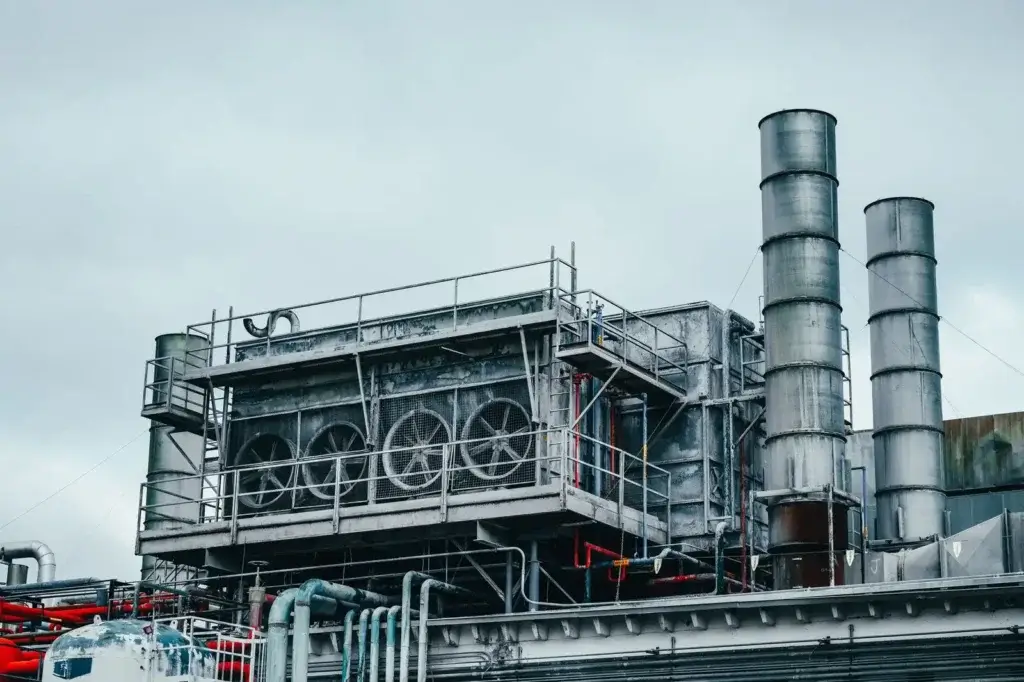
For most industrial SO2 streams, alkaline impregnation with KOH, NaOH, or K2CO3 offers the best balance of cost, capacity, and availability; where maximum working sulfur capacity or deep polishing is required, KI or combined KOH/KI impregnation delivers measurably higher performance at a higher price.
Alkaline Impregnation: KOH, NaOH, and K2CO3
Alkali-impregnated grades are the workhorses of dry desulfurization. They are typically produced on coal based activated carbon pellets, whose mechanical strength tolerates the impregnation and drying cycle, and their removal chemistry is straightforward acid-base neutralization. KOH grades are favored for combined SO2 and NOx duties in power plants and biogas systems, NaOH grades for acidic gas mixtures in steel mills and incineration plants, and K2CO3 grades where a self-buffering, less hygroscopic agent is preferred. One production caveat matters when comparing quotations: concentrated inorganic alkali attacks and partially collapses the carbon’s pore structure during impregnation, so loading must be carefully controlled. A heavier alkali loading is not automatically a better one, and reputable suppliers publish impregnation levels alongside porosity data precisely for this reason.
KI and Combined Impregnation
Potassium iodide changes the chemistry from neutralization to catalytic redox. The I2/I- couple catalyzes the oxidation of SO2 to sulfate or elemental sulfur, products that are chemically stable and resistant to desorption. Industry data and supplier comparisons consistently report that the working sulfur capacity of KI impregnated carbon is 1.5 to 2.5 times that of a comparable KOH grade. Because KI is expensive, many buyers specify combined impregnation instead, pairing a low-cost alkali with a small KI dose to capture most of the capacity gain at a fraction of the cost. Published case data from a German fuel-cell and cabin-air project illustrates the gap clearly: under 30 ppm SO2 at 23 degrees Celsius and 50 percent relative humidity, tested according to the dynamic gas adsorption methods of ISO 11155-2, a NaOH-impregnated 30×60 mesh coconut carbon with an iodine value of 1,200 mg/g achieved 48 percent removal in a 60-minute test against a 45 percent requirement, while a combined-impregnation grade of the same base carbon reached 70 percent against a 60 percent requirement.
| Impregnant | Dominant Mechanism | Relative SO2 Capacity | Key Strength | Key Limitation |
| KOH | Alkali neutralization | Baseline | Low cost, proven in flue gas | Pore blockage if over-impregnated |
| NaOH | Alkali neutralization | Baseline to slightly higher | Strong against mixed acid gases | Hygroscopic, heat of reaction |
| K2CO3 | Buffered neutralization | Slightly below KOH | Self-buffering, less corrosive | Slower kinetics |
| KI | Catalytic redox | 1.5-2.5x KOH | Stable end products, deep polishing | Highest impregnant cost |
| KOH + KI | Neutralization plus redox | 2x or above | Best price-performance for strict limits | Requires experienced producer |
Base Carbon and Key Product Specifications
The base carbon sets the performance ceiling while the impregnation sets the chemistry, and both must be verified through measurable specifications; coconut shell carbon maximizes microporosity and hardness, coal-based carbon minimizes cost and pressure drop, and the key parameters to check are iodine value, CTC, hardness, particle size, ash, and pH.
Choosing the Base Carbon
| Base Carbon | Pore Character | Strength | Cost Position | Best Suited To |
| Coconut shell | Dominated by micropores below 2 nm | Highest micropore fraction, hardness above 97 percent | Medium to high | Precision polishing, enclosed spaces, high humidity |
| Coal based | Mixed micro- and mesopores | Strong pellets, low pressure drop, economical | Low to medium | Flue gas polishing, large fixed beds |
| Wood based | More mesopores and macropores | Fast kinetics, low ash | Medium | Liquid-phase duties, decolorization, odor |
For SO2 specifically, coconut shell activated carbon is often the premium choice because its micropore structure matches the size of the SO2 molecule almost perfectly and its mechanical hardness keeps beds compacted and dust-free for years. Coal-based extruded pellets compete strongly where beds are large and fan power is expensive, since a 4 mm pellet bed offers a much lower pressure drop than a granular bed of equal depth.
Specifications to Verify Before Purchase
A procurement-grade specification should go far beyond the iodine number. The table below lists the parameters that experienced buyers lock into contracts for granular activated carbon and impregnated grades alike.
| Parameter | Typical Target for SO2 Duty | Why It Matters |
| Iodine value | 1,000-1,200 mg/g minimum | Proxy for micropore surface area and capacity |
| CTC (tetrachloroethene activity) | 60 percent or higher | Indicator of total adsorption pore volume |
| Hardness (ball-pan) | 95 percent or higher | Limits bed dusting, pressure-drop creep |
| Particle size | 4 mm pellets or 30×60 mesh granules | Balances kinetics against pressure drop |
| Ash content | 5-6 percent maximum | Fewer catalytic impurities, stable pH |
| pH of impregnated carbon | 8-11 for alkaline grades | Confirms retained alkali loading |
| Moisture at packing | 5 percent maximum | Preserves capacity and prevents caking |
On capacity, buyers should ask for working SO2 capacity data measured under conditions close to their own application rather than idealized laboratory numbers. Published values give useful order-of-magnitude guidance: TEDA-impregnated grades reach about 229 mg/g, copper-loaded coconut carbons about 168 mg/g, and conventional alkali grades typically fall between 80 and 150 mg/g depending on inlet concentration, humidity, and temperature. Any supplier quoting dramatically higher figures without test conditions should be treated with caution.
Where Is Impregnated Activated Carbon for SO2 Used?
The material serves two broad markets: stationary industrial sources that must meet tightening emission limits, and enclosed or precision environments where even ppm-level SO2 damages processes, products, or human health.
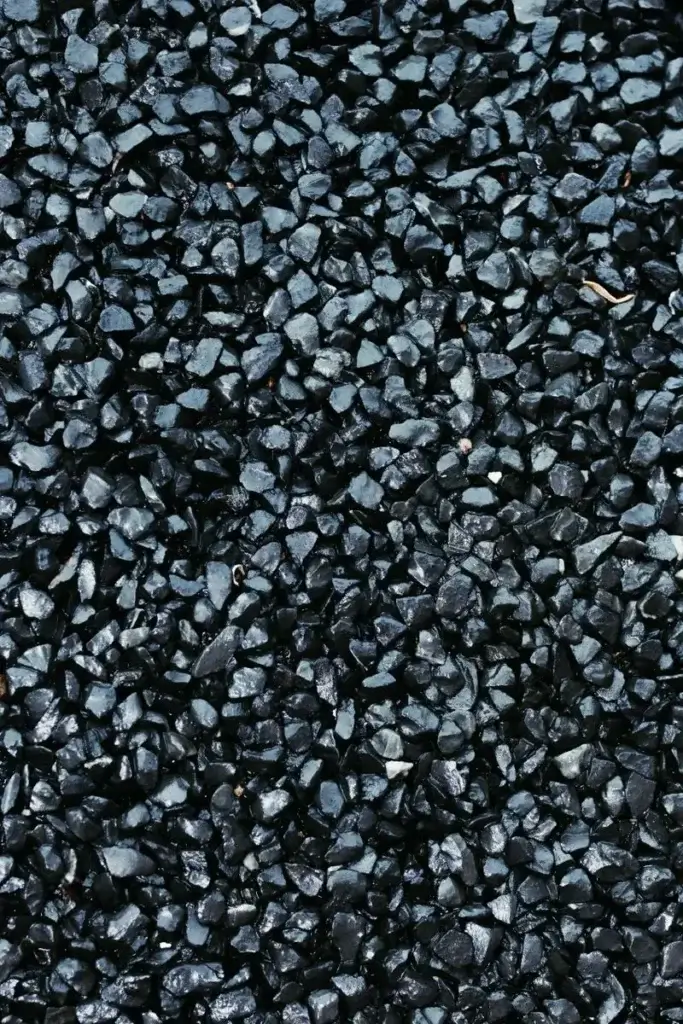
Industrial Flue Gas and Stationary Sources
In stationary applications, impregnated and activated coke grades are installed as fixed or moving beds for industrial gas purification downstream of economizers and dust collectors. The dry adsorption route has structural advantages over wet scrubbing at the polishing scale: it consumes almost no water, produces no wastewater stream, allows sulfur recovery as a commercial by-product, and simultaneously captures NOx, dioxins, and mercury on the same bed. Typical installations include sinter plant tail gas, refinery Claus tail gas polishing, and sulfuric acid plant interpass protection. Many operators also pair the duty, using sulfur-impregnated carbon for mercury capture in the same gas stream, or installing oxidant grades such as potassium permanganate activated carbon where H2S and formaldehyde accompany SO2 in biogas and ventilation duties.
Enclosed and Precision Environments
The second market is defined by very low concentrations and unforgiving consequences. Fuel cell systems, for example, require inlet air with SO2 in the ppb range, because even brief exposure permanently degrades the platinum catalyst; automotive cabin filters are qualified by the dynamic gas adsorption test of ISO 11155-2:2009, which specifies exactly the 30 ppm SO2 challenge conditions used in the case study cited above. Similar duties appear in ammunition and artifact storage, museum climate control, laboratory exhaust, semiconductor cleanroom make-up air, and chemical shelter filters, where the adsorbent must perform predictably at ambient temperature without any regeneration infrastructure.
How to Select the Right Impregnated Activated Carbon?
Selection is a five-step exercise: define the target gas mixture, quantify concentration and required outlet quality, record the true humidity and temperature profile, set the airflow and contact time, and then decide between regeneration and replacement before verifying everything with a pilot test.
Operating Conditions Checklist
- Identify the complete gas mixture. SO2 alone points to a straightforward alkali grade, while SO2 with H2S justifies KI or a mixed bed, and SO2 with ammonia requires careful sequencing to avoid salt fouling.
- Measure inlet concentration and set the outlet target. A duty moving from 500 ppm to under 1 ppm demands far more alkali reserve than a 30 ppm cabin-air polishing job.
- Record humidity and temperature profiles across seasons. Moderate moisture helps, but sustained conditions above about 70 percent relative humidity call for hydrophobic base carbon or a pre-drying stage.
- Size the bed for contact time and velocity. Filtration velocity between 0.1 and 0.5 m/s and adequate empty-bed contact time are the levers that convert laboratory capacity into field performance.
- Decide the end-of-life route. If spent carbon cannot be regenerated economically on site, factor disposal or supplier take-back into the operating cost calculation before comparing quotations.
Performance Optimization Tips
Field performance depends as much on engineering as on the carbon itself. Lowering the filtration velocity from 0.45 to 0.125 m/s has been shown to delay breakthrough dramatically, because slower gas gives SO2 more residence time to diffuse into micropores and react. Dual-layer beds, a coarse pellet layer for bulk capture followed by a fine granular layer for polishing, extend total service life and smooth out concentration spikes. Continuous monitoring of outlet concentration against a fixed alarm threshold, together with periodic pressure-drop checks, converts bed replacement from guesswork into data-driven maintenance. Finally, a pre-filter to remove dust and aerosols protects the carbon’s micropores from irreversible blockage, which is one of the most common causes of premature capacity loss in industrial beds.
Regeneration and Service Life
Spent SO2 carbon can be regenerated by water washing, inert-gas heating, or high-temperature thermal treatment, but every cycle consumes some of the carbon skeleton itself; enclosed-space operators most often plan periodic replacement, while flue gas plants regenerate continuously to recover sulfur.
Regeneration Methods
Three regeneration routes dominate in practice. Water washing removes stored sulfate as dilute sulfuric acid and is simple, but it produces a wastewater stream that needs neutralization. Inert-atmosphere heating at 100 to 200 degrees Celsius releases physically adsorbed SO2 and suits applications where the gas is recovered for reuse or further processing. High-temperature thermal regeneration at around 400 to 450 degrees Celsius drives the reaction 2H2SO4 + C → 2SO2 + 2H2O + CO2, reducing the stored acid back to a concentrated SO2 stream that can feed an acid plant while simultaneously reopening the pore system. Long-term cycle studies on activated coke show why temperature control matters: after ten adsorption-regeneration cycles, capacity recovery was only about 38 percent at 250 degrees Celsius, around 72 percent at 450 degrees Celsius, but 119 to 148 percent at 650 to 850 degrees Celsius, where fresh microporosity is actually created. Impregnated alkali grades additionally allow chemical regeneration through re-impregnation, although repeated chemical cycles gradually reduce mechanical strength.
When to Replace the Carbon Bed
In applications without regeneration infrastructure, replacement timing should be triggered by data rather than calendars alone. A fixed outlet alarm set at the maximum permitted concentration marks true breakthrough, a rising pressure drop signals dusting or fouling, and a documented concentration history allows the operator to model remaining alkali reserve. Beds handling low, stable concentrations commonly run six to eighteen months between changes, while beds exposed to concentration spikes fail earlier despite identical specifications. Keeping one full bed change in storage, with packaging intact and material properly rested, prevents extended outages when breakthrough arrives sooner than forecast.
Frequently Asked Questions
Can one carbon bed remove SO2 together with H2S and mercury?
Yes, provided the impregnation chemistry is matched to each pollutant. KI impregnated grades capture SO2 and catalytically convert H2S while also contributing to mercury uptake, sulfur-impregnated carbons are specifically engineered for mercury, and oxidant grades extend capture to formaldehyde and reduced sulfur compounds. In flue gas service, activated coke moving-bed systems routinely remove SO2, NOx, dioxins, and mercury in a single vessel. The practical rule is to list every pollutant with its concentration range first, then ask suppliers to propose an impregnation scheme with individual removal guarantees rather than accepting a single generic certificate.
Is impregnated activated carbon safe to store and handle?
It is safe when handled according to the supplier’s instructions, but freshly impregnated material deserves respect. Impregnation chemicals continue to react with traces of oxygen and moisture after production, generating heat, which is why responsible manufacturers rest impregnated carbon for about 48 hours at ambient temperature before packaging. Storage should be dry, ventilated, and away from combustible materials, freshly filled beds should not be sealed airtight while still warm, and standard dust protection is recommended during loading. Alkali-impregnated grades are corrosive to bare aluminum and zinc surfaces, so compatible vessels and tools should be used throughout.
How does operating temperature affect SO2 adsorption?
Temperature works against physisorption and for desorption: capacity falls as temperature rises, which is why polishing beds perform best below roughly 40 degrees Celsius. Between about 110 and 180 degrees Celsius, however, the carbon’s catalytic oxidation of SO2 to sulfuric acid becomes fast enough that flue gas plants deliberately operate in this window, accepting lower physisorption in exchange for continuous chemical conversion. Above several hundred degrees the same chemistry reverses into the regeneration reaction that releases SO2 again. Selecting the operating window, ambient polishing or hot catalytic operation, should therefore be one of the first decisions in system design, since it determines both the impregnant choice and the expected service life.