
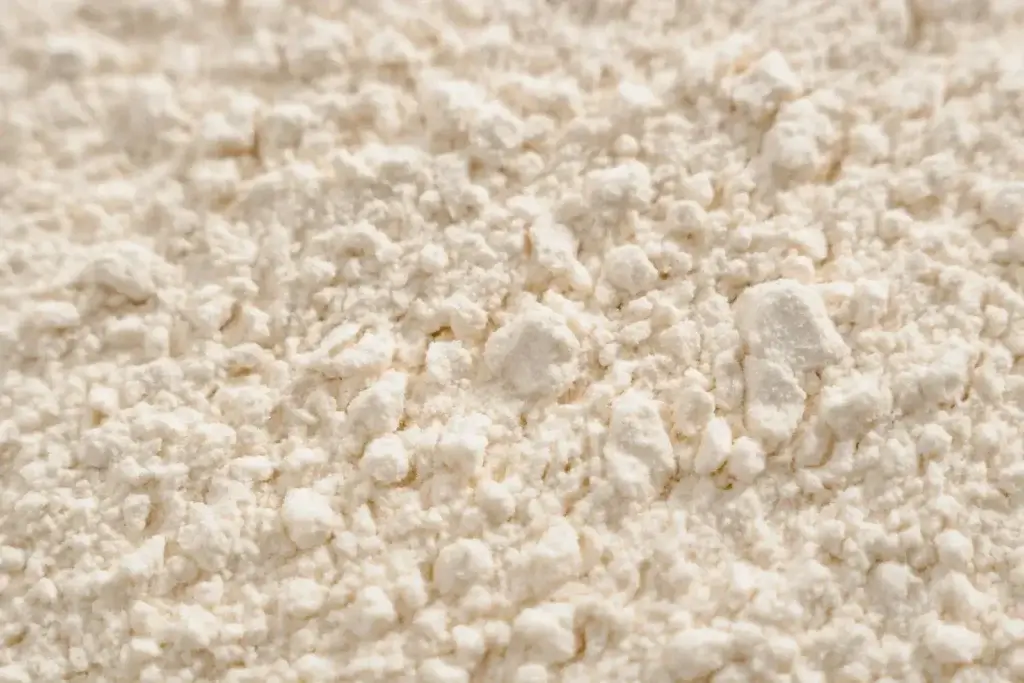
The global alumina powder market is undergoing a fundamental transformation as industries from ceramics to lithium-ion batteries increasingly rely on this versatile material. In 2025, the alumina market reached a critical inflection point, shifting from traditional scale expansion to quality-focused development, with significant implications for procurement professionals and industrial buyers across multiple sectors. The market’s evolution is driven by complex supply-demand dynamics, technological advancements, and shifting regulatory landscapes that demand strategic decision-making from B2B purchasers.
The global alumina powder market is undergoing a fundamental transformation as industries from ceramics to lithium-ion batteries increasingly rely on this versatile material. In 2025, the alumina market reached a critical inflection point, shifting from traditional scale expansion to quality-focused development, with significant implications for procurement professionals and industrial buyers across multiple sectors. The market’s evolution is driven by complex supply-demand dynamics, technological advancements, and shifting regulatory landscapes that demand strategic decision-making from B2B purchasers.
Alumina powder, a high-purity aluminum oxide material, serves as a critical industrial feedstock with applications spanning ceramics manufacturing, refractory production, lithium-ion battery separators, LED substrates, and semiconductor polishing, with its value derived from purity levels, particle size distribution, and crystal phase characteristics rather than simple chemical composition.
This transformation is particularly evident in the divergence between traditional metallurgical-grade alumina and specialized high-purity alumina (HPA) markets. While metallurgical alumina faces oversupply pressures and price volatility, high-purity alumina experiences sustained demand growth driven by emerging technologies. The 2025 market saw China’s total alumina production capacity reach 108 million tons, with actual output hitting 94.448 million tons—a 9.4% year-on-year increase that created significant supply-demand imbalances. This article provides procurement professionals with the comprehensive market intelligence and technical specifications needed to navigate this complex landscape, optimize procurement strategies, and ensure supply chain resilience in an evolving industrial environment.
Current Market Dynamics and Price Trends for Alumina Powder
The alumina powder market in 2025-2026 is characterized by structural oversupply in metallurgical grades, price volatility driven by regional supply-demand imbalances, and significant differentiation between traditional and high-purity segments, with prices ranging from $2,950 to $5,700 per ton depending on grade and application.
The 2025 alumina market experienced dramatic price fluctuations that reflected underlying supply-demand imbalances. According to market analysis from SunSirs, alumina prices began 2025 at approximately 5,540-5,700 RMB per ton ($780-800 per ton), then plummeted to 2,950 RMB per ton ($415 per ton) in the first half of the year as production capacity surged and demand growth slowed. This price decline pushed many producers below their cost lines, leading to widespread production cuts and industry consolidation. A brief recovery in July 2025 saw prices rebound by more than 27% due to tight spot supply, but the market settled into a pattern of fluctuation around 3,000 RMB per ton ($422 per ton) for the remainder of the year, closing at 2,778 RMB per ton ($391 per ton) by year-end.
The supply-demand imbalance stems from several structural factors. On the supply side, China’s total alumina production capacity reached 108 million tons in 2025, with 8.3 million tons of new capacity commissioned primarily in the first half of the year. Actual production reached 94.448 million tons—a 9.4% year-on-year increase—with metallurgical grade accounting for 89.28 million tons and chemical grade for 5.168 million tons. This production surge created a market surplus estimated at approximately 2 million tons, pushing total social inventories from 3.02 million tons at the beginning of 2025 to 4.67 million tons by year-end. The regional production pattern shows traditional production areas in North China (Shanxi, Henan, Shandong) accounting for 52.3% of total capacity but operating at utilization rates below 70%, while emerging regions like Guangxi and Inner Mongolia maintain utilization rates around 80% due to resource and energy advantages.
Demand dynamics reveal significant structural differentiation. The electrolytic aluminum industry, which consumes approximately 95% of metallurgical-grade alumina, experienced only 1.8% production growth in 2025 to 43.89 million tons, creating a massive gap with alumina’s nearly 10% output growth rate. This demand stagnation reflects the “capacity ceiling” policy in China’s aluminum sector and the downturn in construction aluminum demand due to real estate market challenges. However, strategic emerging industries including new energy vehicles, photovoltaics, and advanced manufacturing are driving marginal improvements in high-end aluminum consumption, creating opportunities for chemical-grade alumina in specialized applications.
| Market Indicator | 2025 Value | Year-on-Year Change | Key Implications |
| Total Production Capacity | 108 million tons | +8.3 million tons new capacity | Structural oversupply intensifying |
| Actual Output | 94.448 million tons | +9.4% | Supply growth outpacing demand |
| Metallurgical Grade Output | 89.28 million tons | +8.7% | Traditional market saturation |
| Chemical Grade Output | 5.168 million tons | +15.2% | High-value segment growing |
| Average Price (Year-End) | $391/ton | -31% from year-start | Price pressure on producers |
| Social Inventory | 4.67 million tons | +55% from year-start | Supply chain accumulation |
| Export Volume | 2.549 million tons | +42.76% | Global market integration |
The trade pattern transformation further complicates the market landscape. China’s alumina exports surged 42.76% year-on-year to 2.5492 million tons in 2025, with exports to Russia accounting for 2.0204 million tons of this increase. Meanwhile, imports decreased 15.62% to 1.1981 million tons, resulting in a net export position of 1.3511 million tons—a 269.48% year-on-year increase. This shift reflects both China’s growing production capacity and changing global trade patterns, with import sources diversifying away from Australia (down 44.60%) toward Indonesia (up 109.28%).
Technical Specifications and Alumina Powder Types Comparison
Alumina powder is categorized into three primary types based on production method and crystal structure: calcined alumina (γ-Al₂O₃ or α-Al₂O₃), tabular alumina (α-Al₂O₃), and reactive alumina, each with distinct physical properties, purity levels, and industrial applications that determine their suitability for specific manufacturing processes.
The fundamental distinction between alumina powder types lies in their production processes and resulting crystal structures. Calcined alumina is produced by heating aluminum hydroxide (Al(OH)₃) or alumina trihydrate to temperatures of 1,100–1,500°C to drive off chemically bound water, resulting in a fine powder consisting primarily of γ-Al₂O₃ or α-Al₂O₃ crystals depending on the calcination temperature. This material typically features Al₂O₃ content ≥99.0%, median particle sizes ranging from 1–80μm, and sodium oxide (Na₂O) content ≤0.4%. It serves as a matrix component in refractory formulations, filling voids between coarse aggregate particles and contributing to ceramic bonding during firing.
Tabular alumina represents a more advanced processing stage, produced by sintering calcined alumina at extremely high temperatures (1,800–1,900°C) in shaft kilns. This extended sintering causes alumina particles to densify and form large, well-developed tabular (plate-like) α-Al₂O₃ crystals with closed, spherical pores. The resulting material achieves Al₂O₃ content ≥99.5%, bulk density ≥3.50 g/cm³, water absorption ≤1.0%, and particle sizes ranging from 0–0.5mm up to 8–15mm fractions. Unlike calcined alumina’s powder form, tabular alumina is supplied as graded aggregate—coarse chunks and granules that provide the structural backbone in refractory applications.
Reactive alumina, sometimes called activated alumina, undergoes specialized processing to create highly porous structures with large surface areas (200-400 m²/g). This material is produced through controlled precipitation and calcination processes that create amorphous or transitional alumina phases with exceptional adsorption properties. Reactive alumina finds applications in catalyst supports, desiccants, and specialized ceramic formulations where surface area and chemical reactivity are paramount.
| Property | Calcined Alumina | Tabular Alumina | Reactive Alumina |
| Al₂O₃ Content | ≥99.0% | ≥99.5% | 92-98% |
| Physical Form | Fine powder (1-80μm) | Coarse aggregate (0.5-15mm) | Powder or granules |
| Bulk Density | N/A (powder) | ≥3.50 g/cm³ | 0.7-1.2 g/cm³ |
| Crystal Phase | γ-Al₂O₃ or α-Al₂O₃ | α-Al₂O₃ (fully converted) | Amorphous/transitional |
| Production Temperature | 1,100–1,500°C | 1,800–1,900°C | 400-800°C |
| Primary Application | Matrix/binder in refractories | Primary aggregate in refractories | Catalyst support/adsorbent |
| Surface Area | 5-50 m²/g | 1-5 m²/g | 200-400 m²/g |
| Typical Cost | $500-800/ton | $800-1,200/ton | $1,500-3,000/ton |
The selection between these alumina types depends on specific application requirements. For refractory formulations, most high-performance low-cement castables use both tabular alumina as the primary aggregate (60-80% of formulation by weight) and calcined alumina as the matrix component (5-15%). Tabular alumina provides the structural backbone that gives castables their strength, density, and volume stability, while calcined alumina fills the matrix between aggregate particles, improving density, reducing porosity, and contributing to ceramic bonding during firing. This complementary relationship means they are not competing materials but rather components of optimized refractory systems.
Particle size distribution represents another critical specification parameter. Standard alumina powder grades include:
- Superfine: D50 < 1μm for advanced ceramics and polishing applications
- Fine: D50 1-10μm for general ceramic and refractory applications
- Medium: D50 10-45μm for bulk refractory and abrasive applications
- Coarse: D50 45-80μm for specialized refractory and welding applications
The purity specifications extend beyond simple Al₂O₃ content to include impurity limits that significantly affect performance in sensitive applications. Key impurity parameters include:
- SiO₂: Typically limited to <0.1% for high-purity applications
- Fe₂O₃: Critical for optical applications, often <0.03%
- Na₂O: Particularly important for electronic ceramics, often <0.1%
- LOI (Loss on Ignition): Indicates residual moisture/volatiles, typically <1%
High-Purity Alumina Market Analysis and Growth Drivers
The high-purity alumina (HPA) market is experiencing explosive growth driven by lithium-ion battery demand, LED industry expansion, and semiconductor manufacturing advancements, with the market projected to grow from $6.44 billion in 2026 to $22.60 billion by 2033 at a 19.6% CAGR, creating significant opportunities for specialized producers and strategic buyers.
High-purity alumina, defined as alumina with purity levels of 99.99% (4N) or higher, represents the premium segment of the alumina market with fundamentally different dynamics from traditional metallurgical alumina. According to Coherent Market Insights, the HPA market is estimated at $6,438.4 million in 2026 and expected to reach $22,602.9 million by 2033, exhibiting a compound annual growth rate of 19.6% from 2026 to 2033. This growth trajectory reflects HPA’s critical role in enabling next-generation technologies across multiple industries.
The purity level segmentation reveals distinct market dynamics. The 4N segment (99.99% purity) dominates the market with an estimated 51% share in 2026, offering a balanced combination of performance and cost-effectiveness ideal for mass-market applications including LED lighting, lithium-ion battery separators, and electronic displays. Higher grades like 5N (99.999%) and 6N (99.9999%) serve specialized fields such as semiconductors and aerospace, where their production costs and limited demand keep them niche markets. The 4N segment’s dominance stems from its scalability and compatibility with mainstream manufacturing processes, particularly in Asia-Pacific’s booming electronics and energy sectors.
Application segmentation highlights the diverse demand drivers for HPA. The electronic display segment is projected to dominate with the largest market share in 2026, driven by rising HPA consumption in LED and OLED screen manufacturing. While LED remains the largest HPA application (consuming 84% of 58,000 tonnes total demand in 2025), the industry is undergoing a technology shift toward larger sapphire wafers (6-8 inches) and microLED/miniLED technologies that improve material efficiency while maintaining demand for high-quality substrates.
The lithium-ion battery sector represents the fastest-growing application for HPA, driven by the material’s use as a coating for battery separators. HPA-coated separators offer significant advantages in lithium-ion batteries, including:
- Enhanced thermal stability up to 200°C
- Improved electrolyte wettability and ionic conductivity
- Reduced self-discharge rates and extended cycle life
- Enhanced safety through shutdown functionality
In 2025, lithium-ion battery separators consumed approximately 9.8 tonnes of high-purity alumina powder, representing 34% of total HPA demand and establishing this application as the largest consumption sector. With electric vehicle production projected to grow at 25-30% annually through 2030, demand for HPA in battery applications is expected to maintain double-digit growth rates.
| HPA Application Segment | 2025 Market Share | Key Growth Drivers | 2026-2030 CAGR |
| Lithium-ion Battery Separators | 34% | EV adoption, energy storage expansion | 22-25% |
| LED/Display Manufacturing | 28% | MicroLED adoption, display size increase | 8-10% |
| Semiconductor CMP Polishing | 22% | Advanced node manufacturing, AI chip demand | 12-15% |
| Sapphire Substrates | 10% | Consumer electronics, optical applications | 6-8% |
| Other (Catalysts, Ceramics) | 6% | Industrial upgrading, specialty applications | 5-7% |
The semiconductor industry represents another critical growth driver for ultra-high-purity alumina (5N-6N grades). Advanced semiconductor manufacturing requires ultra-pure sapphire wafers produced from HPA for substrates in power electronics and thermal management applications. The data center semiconductor market expansion to $500 billion by 2030, driven by AI and generative AI chips valued at over $150 billion in 2025, creates sustained demand growth with a 3.8% CAGR impact from semiconductor applications alone. This demand particularly benefits 5N and 6N purity grades with sub-ppm impurity requirements, where TSMC’s 2nm process node rollout with 15 major customers secured is driving additional demand for 3,000-5,000 tonnes of annual HPA consumption.
Regional market dynamics show Asia-Pacific leading with a 35% market share in 2026, driven by strong industrial growth and expanding electronics and energy storage sectors. North America is projected as the fastest-growing region, benefiting from semiconductor manufacturing reshoring and electric vehicle production expansion. Europe maintains a strong position in specialty applications and high-value segments, particularly in automotive and aerospace sectors.
Production Process and Quality Control Considerations
Alumina powder production follows the Bayer process for converting bauxite to alumina, with subsequent calcination, sintering, or specialized processing determining final product characteristics, while quality control focuses on purity verification, particle size distribution analysis, crystal phase identification, and impurity quantification to ensure material consistency and performance reliability.
The production of alumina powder begins with the Bayer process, which converts bauxite ore into aluminum oxide through a series of chemical and thermal treatments. This process involves four primary stages: digestion, clarification, precipitation, and calcination. During digestion, crushed bauxite is mixed with a hot sodium hydroxide solution at temperatures ranging from 140°C to 270°C, depending on bauxite type. Under these conditions, aluminum minerals dissolve to form sodium aluminate while impurities like iron and silica remain undissolved. The mixture then undergoes clarification in settling tanks where undissolved impurities sink as red mud—the primary waste product of alumina refining.
The clear sodium aluminate solution proceeds to precipitation tanks where cooling and seeding with fine aluminum hydroxide crystals trigger crystallization over several days. The resulting aluminum hydroxide crystals are washed and subjected to calcination in rotary kilns or fluidized bed calciners at 1,000–1,100°C, driving off remaining water to produce fine, white alumina powder with approximately 99.5% purity. The Bayer Process typically converts 2 tons of bauxite into 1 ton of alumina, with 1 to 1.5 tons of red mud generated as byproduct per ton of alumina produced.
For specialized alumina grades, additional processing steps determine final product characteristics:
- Calcined Alumina: Produced by heating aluminum hydroxide to 1,100–1,500°C, resulting in γ-Al₂O₃ or α-Al₂O₃ phases depending on temperature
- Tabular Alumina: Created by sintering calcined alumina at 1,800–1,900°C in shaft kilns to form dense, plate-like α-Al₂O₃ crystals
- High-Purity Alumina: Requires additional purification steps including recrystallization, chemical treatment, or specialized calcination to achieve 4N-6N purity levels
Quality control represents a critical aspect of alumina powder production, with key parameters including:
- Chemical Purity Analysis: X-ray fluorescence (XRF) or inductively coupled plasma (ICP) spectroscopy to verify Al₂O₃ content and impurity levels
- Particle Size Distribution: Laser diffraction analysis to ensure consistent particle size ranges for specific applications
- Crystal Phase Identification: X-ray diffraction (XRD) to confirm desired crystal structures (α, γ, or transitional phases)
- Surface Area Measurement: BET analysis for reactive alumina and catalyst-grade materials
- Bulk Density and Tap Density: Critical for packaging, transportation, and formulation calculations
- Loss on Ignition (LOI): Indicates moisture and volatile content affecting processing characteristics
The production cost structure for alumina powder varies significantly by grade and production method:
| Cost Component | Metallurgical Alumina | Chemical Grade Alumina | High-Purity Alumina (4N) |
| Raw Materials (Bauxite) | 35-40% | 30-35% | 25-30% |
| Energy (Calcination) | 25-30% | 30-35% | 20-25% |
| Purification Processing | 5-10% | 15-20% | 30-40% |
| Labor & Maintenance | 15-20% | 10-15% | 10-15% |
| Quality Control | 5-8% | 8-12% | 15-20% |
| Total Production Cost | $250-350/ton | $400-600/ton | $8,000-12,000/ton |
Environmental considerations are increasingly important in alumina production. The industry faces challenges related to red mud disposal, energy consumption, and greenhouse gas emissions. Modern facilities implement several sustainability measures:
- Red mud neutralization and utilization in construction materials
- Energy recovery systems from calcination processes
- Water recycling and treatment systems
- Emission control technologies for particulate matter and gases
Supply chain considerations have gained prominence following recent disruptions. The 2025 revocation of mining rights in Guinea affected 18 million tonnes of annual bauxite capacity, creating feedstock uncertainty for alumina producers relying on West African bauxite. This event potentially drives up alumina input costs by 15-25% and forces supply chain diversification to Australia and other sources. Similarly, Indonesia’s mining policy changes introduce regulatory uncertainty that may cause supply volatility and inventory accumulation issues, affecting production planning and raw material price stability.
Strategic Procurement Guidelines and Supplier Evaluation
Effective alumina powder procurement requires a comprehensive evaluation framework encompassing technical specifications alignment, supply chain reliability assessment, quality assurance systems verification, total cost of ownership analysis, and sustainability compliance, with particular emphasis on supplier technical capabilities, production consistency, and long-term partnership potential rather than simple price comparison.
The procurement process for alumina powder begins with precise technical requirement definition. Buyers must specify not only basic parameters like Al₂O₃ content and particle size but also application-specific characteristics including crystal phase requirements, impurity limits for sensitive applications, and physical properties affecting downstream processing. For refractory applications, this includes specifying both tabular alumina as primary aggregate and calcined alumina as matrix component, with detailed requirements for each material’s particle size distribution, purity, and physical properties. Electronic and battery applications demand even more stringent specifications, particularly for impurity elements like sodium, iron, and silicon that can critically affect performance.
Supplier evaluation should follow a multi-dimensional framework assessing several key areas:
Technical Capability Assessment:
- Production technology and equipment sophistication
- Quality control laboratory capabilities and accreditation
- R&D investment and new product development track record
- Technical support and problem-solving responsiveness
- Customization capability for specialized requirements
Production Consistency and Quality Assurance:
- Statistical process control implementation
- Batch-to-batch consistency verification through historical data
- Quality certification (ISO 9001, IATF 16949 for automotive)
- Traceability systems for raw materials and production lots
- Independent third-party testing and validation
Supply Chain Reliability:
- Raw material sourcing strategy and security
- Production capacity utilization and expansion plans
- Inventory management and buffer stock policies
- Logistics capabilities and delivery reliability
- Business continuity planning and risk mitigation
Commercial and Relationship Factors:
- Pricing transparency and stability
- Contract flexibility and terms negotiation
- Payment terms and financial stability
- Communication effectiveness and cultural alignment
- Long-term partnership orientation
The total cost of ownership (TCO) analysis should extend beyond simple purchase price to include:
- Transportation and logistics costs
- Inventory holding costs
- Quality-related costs (inspection, testing, rejects)
- Processing costs affected by material characteristics
- Downtime risk and supply disruption costs
- Environmental compliance and disposal costs
For critical applications, dual or multi-sourcing strategies provide supply chain resilience while maintaining competitive pressure. However, this approach requires careful management to ensure material consistency across suppliers, particularly for applications where subtle differences in alumina characteristics can significantly affect downstream processing or product performance.
Sustainability considerations are increasingly important in supplier selection. Key evaluation criteria include:
- Environmental management system certification (ISO 14001)
- Energy efficiency and carbon footprint reduction initiatives
- Waste management and recycling programs
- Water usage and conservation measures
- Social responsibility and community engagement
- Transparency in sustainability reporting
Emerging digital procurement tools offer advantages for alumina powder sourcing. These include:
- Digital quality documentation and certificates of analysis
- Real-time inventory tracking and visibility
- Predictive analytics for price trends and supply risks
- Automated procurement process workflows
- Integration with enterprise resource planning systems
Future Outlook and Emerging Applications
The alumina powder market is poised for continued transformation through 2030, driven by technological advancements in energy storage, semiconductor manufacturing, and advanced ceramics, with emerging applications in solid-state batteries, 5G/6G infrastructure, and green hydrogen production creating new demand segments while traditional markets undergo efficiency-driven consolidation and quality-focused upgrading.
The market outlook for alumina powder through 2030 reflects divergent trajectories across different segments and applications. Traditional metallurgical alumina faces continued pressure from oversupply and environmental regulations, with the market expected to grow at a modest 2-3% CAGR through 2030. In contrast, high-purity alumina segments are projected to maintain 15-20% annual growth rates, driven by technology adoption in electric vehicles, renewable energy, and advanced electronics. This divergence will reshape the industry landscape, with producers increasingly focusing on high-value segments and specialized applications.
Several key trends will shape the alumina powder market through 2030:
Energy Storage Revolution: The transition to electric vehicles and grid-scale energy storage will drive exponential growth in lithium-ion battery production, with alumina playing a critical role as separator coating material. By 2030, electric vehicle production is expected to reach 40-50 million units annually, requiring approximately 2,000-3,000 GWh of battery capacity. This translates to demand for 50,000-75,000 tonnes of high-purity alumina annually for battery separator coatings alone. The emergence of solid-state batteries presents additional opportunities, with alumina potentially serving as solid electrolyte material or component in composite electrolytes.
Semiconductor Manufacturing Advancement: The semiconductor industry’s progression to 2nm and smaller process nodes will increase demand for ultra-high-purity alumina in chemical mechanical polishing (CMP) and substrate applications. The AI chip market, projected to reach $300-400 billion by 2030, will particularly drive demand for 5N and 6N alumina grades with sub-ppm impurity levels. Advanced packaging technologies including 2.5D and 3D integration will create additional demand for alumina in interposer and thermal management applications.
Advanced Ceramics Expansion: Technical ceramics incorporating alumina will see expanded applications in medical devices, aerospace components, industrial wear parts, and electronic substrates. The global advanced ceramics market is projected to grow from $90 billion in 2025 to $140 billion by 2030, with alumina-based ceramics maintaining a 35-40% market share. Key growth areas include biomedical implants, cutting tools, wear-resistant components, and electronic packaging.
Green Technology Applications: Emerging applications in green hydrogen production, carbon capture, and renewable energy systems will create new demand segments. Alumina’s thermal stability and chemical resistance make it suitable for catalyst supports in electrolyzers, membrane components in carbon capture systems, and protective coatings in concentrated solar power facilities.
| Emerging Application | 2025 Status | 2030 Projection | Key Alumina Requirements |
| Solid-State Batteries | R&D/Pilot | Commercialization | 4N-5N purity, nano-sized particles |
| 5G/6G RF Components | Early Adoption | Mass Production | Low dielectric loss, thermal stability |
| Medical Implants | Specialty Market | Expanded Use | Biocompatibility, wear resistance |
| Green Hydrogen Electrolyzers | Demonstration | Industrial Scale | High surface area, corrosion resistance |
| Additive Manufacturing | Niche Applications | Broader Adoption | Controlled particle size, flowability |
Technological advancements will reshape alumina powder production and application. Key developments include:
- Nano-alumina Production: Scalable methods for producing sub-100nm alumina particles for advanced applications
- Surface Modification: Functionalized alumina surfaces for enhanced compatibility in composite materials
- Additive Manufacturing: Optimized alumina powders for 3D printing of complex ceramic components
- Circular Economy: Improved recycling and recovery of alumina from industrial waste streams
- Digital Quality Control: AI-driven process optimization and real-time quality monitoring
Regional market dynamics will continue evolving, with several notable trends:
- Asia-Pacific: Maintains dominance in production and consumption, particularly for electronics and battery applications
- North America: Experiences resurgence in specialty alumina production driven by semiconductor reshoring
- Europe: Focuses on high-value applications in automotive, aerospace, and green technology
- Middle East: Develops alumina production leveraging energy advantages and strategic location
Sustainability will become increasingly integrated into alumina market dynamics through:
- Carbon footprint reduction initiatives across the value chain
- Circular economy approaches to bauxite residue utilization
- Water conservation and recycling in production processes
- Renewable energy integration in calcination operations
- Life cycle assessment adoption for product environmental profiling
The alumina powder market’s future will be characterized by increasing segmentation between commodity and specialty products, with value creation shifting toward technical innovation, application development, and sustainability leadership. Procurement professionals must adapt to this evolving landscape by developing deeper technical understanding, building strategic supplier partnerships, and implementing agile supply chain strategies that balance cost, quality, and resilience in an increasingly complex and dynamic market environment.