
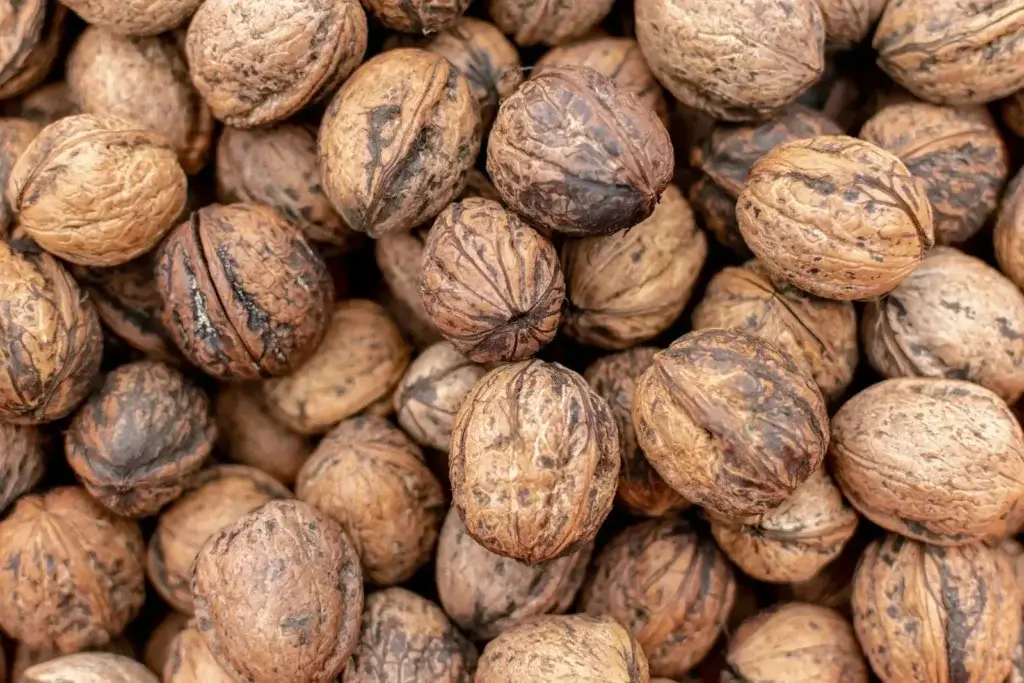
The global push toward sustainable industrial materials has intensified interest in bio-based adsorbents derived from agricultural residues. Walnut shells, a byproduct of one of the world’s most widely cultivated tree nut crops, have emerged as an exceptionally promising feedstock for activated carbon production. Global walnut production exceeds 3 million metric tons annually, with shells accounting for approximately 40 to 60 percent of the total fruit weight. Historically treated as low-value waste destined for combustion or landfill, walnut shells are now recognized as a high-carbon, structurally robust precursor that can be converted into activated carbon with surface areas exceeding 2,300 m²/g under optimized conditions.
The shift from waste to value-added product aligns with circular economy principles and addresses growing industrial demand for cost-effective, high-performance adsorbents. As environmental regulations tighten across major economies and water treatment infrastructure expands, particularly in the Asia-Pacific region, walnut shell activated carbon has carved out a significant and expanding market position. Its unique combination of mechanical durability, well-developed porosity, and agricultural origin makes it a compelling choice for applications ranging from municipal water purification to precious metal recovery.
Walnut shell activated carbon is a porous carbonaceous adsorbent produced by carbonizing and activating walnut shells at controlled high temperatures, yielding a material characterized by a microporous-dominated pore structure (75 to 85 percent micropores), BET surface areas typically ranging from 900 to 1,300 m²/g in commercial grades and exceeding 2,300 m²/g in research-grade KOH-activated variants, iodine adsorption values between 850 and 1,100 mg/g, and excellent mechanical strength exceeding 94 percent, making it suitable for demanding industrial applications including water treatment, food and beverage decolorization, gold recovery, and air purification.
This article provides a comprehensive examination of walnut shell activated carbon, covering its manufacturing process, performance characteristics, industrial applications, competitive positioning, and market trends. Each section is self-contained and can be read independently.
What Is Walnut Shell Activated Carbon and How Is It Manufactured?
Walnut shell activated carbon is manufactured through a multi-stage thermochemical process involving raw material preparation, low-temperature carbonization at 500 to 700°C under oxygen-limited conditions, high-temperature activation at 800 to 1,000°C using physical agents such as steam or chemical agents such as phosphoric acid and potassium hydroxide, and post-treatment purification, which together transform the dense lignocellulosic structure of walnut shells into a highly porous carbon matrix with an extensive internal surface area.
Raw Material Preparation
The production process begins with careful selection and preprocessing of walnut shells. High-quality walnut shells suitable for activation possess a carbon content of at least 40 percent in raw form and a natural porosity of 0.8 to 1.2 cm³/g. The shells undergo screening to remove foreign matter, two-stage countercurrent washing to reduce ash content to 5 percent or below, crushing to a particle size of 3 to 10 mm for uniform carbonization, and air-flow drying at 80 to 105°C to achieve a final moisture content of 5 percent or lower. Every 1 percent reduction in ash content translates to approximately 8 percent savings in activation energy consumption, making raw material quality a critical economic factor.
Carbonization Stage
The prepared shells are carbonized in an oxygen-limited environment at 400 to 600°C. During this pyrolysis stage, volatile organic compounds are driven off, leaving behind a carbon-rich char with an initial rudimentary pore structure. The carbonization temperature and residence time directly influence the char’s reactivity and the ultimate pore architecture of the finished product. Continuous carbonization furnaces are increasingly employed in industrial-scale production to improve throughput and minimize material losses.
Activation Stage
Activation is the defining step that generates the extensive internal porosity responsible for adsorption. Two fundamental approaches are used commercially and in research settings:
Physical activation employs steam or carbon dioxide at 800 to 1,000°C to selectively gasify portions of the carbon matrix. The oxidizing gas reacts with carbon atoms at reactive sites, creating micropores (1 to 2 nm) and mesopores (2 to 50 nm). Physical activation produces a clean product free of chemical residues, making it suitable for food-grade and pharmaceutical applications. BET surface areas of 500 to 1,500 m²/g are achievable through this route.
Chemical activation uses reagents such as phosphoric acid (H₃PO₄), zinc chloride (ZnCl₂), or potassium hydroxide (KOH) to promote pore development. Research published in Scientific Reports demonstrates that KOH activation of walnut shells at an impregnation ratio of 1:3 can achieve BET surface areas as high as 2,347 m²/g with a total pore volume of 1.28 cm³/g and a well-developed hierarchical pore system centered around 2 to 3 nm mesopores. KOH interacts more effectively with the walnut shell matrix than with other biomass precursors, facilitating extensive carbon rearrangement without structural collapse. Phosphoric acid activation, the more common industrial route, yields BET surface areas of 900 to 1,300 m²/g with iodine numbers elevated by 15 to 20 percent compared to physical activation alone. Chemical activation does require thorough post-activation washing to remove reagent residues. The table below compares activation methods and their outcomes.
| Activation Method | Agent | Typical BET Surface Area (m²/g) | Iodine Number (mg/g) | Key Advantage |
| Physical (steam/CO₂) | H₂O or CO₂ at 800–1000°C | 500–1,500 | 850–1,000 | Chemical-free, food-grade |
| Chemical (H₃PO₄) | Phosphoric acid | 900–1,300 | 950–1,100 | Enhanced mesoporosity |
| Chemical (KOH) | Potassium hydroxide | 1,028–2,347 | Not typically reported | Highest surface area |
| Chemical (ZnCl₂) | Zinc chloride | 730–750 | Moderate | Dehydration and cross-linking |
Post-Treatment
After activation, the material undergoes acid washing to remove residual activating agents and mineral ash, followed by repeated water rinsing until neutral pH is achieved. Final drying produces the finished activated carbon. The product is then classified by particle size through sieving into standard mesh ranges: 6 to 12 mesh for large-scale industrial applications such as gold recovery, 12 to 24 mesh as a general-purpose specification, and 24 to 48 mesh for fine purification scenarios.
Key Physical and Chemical Properties
Walnut shell activated carbon is characterized by a BET surface area of 900 to 1,300 m²/g in commercial grades, a microporous-dominated pore structure with 75 to 85 percent micropores and 10 to 20 percent mesopores, an iodine adsorption value of 850 to 1,100 mg/g, methylene blue adsorption of 120 to 180 mg/g, bulk density of 0.48 to 0.60 g/cm³, mechanical strength of 94 to 96 percent, and excellent chemical stability with a neutral pH range of 6.0 to 9.0 and very low heavy metal content in food-grade products.
Pore Structure and Surface Chemistry
The pore architecture of walnut shell activated carbon reflects the natural dense lignocellulosic structure of the precursor material. Comprehensive characterization studies confirm that commercial grades deliver a balanced microporous-to-mesoporous distribution, with micropores accounting for 75 to 85 percent of total pore volume. This microporous character enables efficient adsorption of small-molecule contaminants such as chlorine, volatile organic compounds, and low-molecular-weight organic pollutants. The mesoporous fraction, ranging from 10 to 20 percent, provides transport pathways that accelerate diffusion kinetics and accommodates medium-sized molecules such as humic substances and color bodies.
Surface chemistry analysis via FTIR spectroscopy reveals the presence of oxygen-containing functional groups including hydroxyl (-OH), carbonyl (C=O), and carboxyl (-COOH) groups located primarily at the edges of graphene-like domains. KOH activation enhances surface oxidation and enriches these polar functional groups, which can improve adsorption selectivity for certain ionic and polar contaminants through electrostatic interactions and hydrogen bonding. In contrast, ZnCl₂ activation produces a more cross-linked, rigid carbon network with comparatively preserved oxygen functionalities but lower overall surface area.
Mechanical Durability
Walnut shell activated carbon distinguishes itself through exceptional mechanical properties. The material achieves a mechanical strength of 94 percent or higher, with walnut shell-based products reaching 96 percent. This surpasses the typical strength of coal-based carbons and approaches that of premium coconut shell grades. Under dynamic operating conditions such as water treatment filter backwashing at intensities of 10 to 15 L/(m²·s), the particle breakage rate remains below 1 percent. Particle integrity exceeds 96 percent for premium grades, and wear rates after mechanical vibration testing are below 2.5 percent. This durability translates directly to lower carbon consumption, reduced replacement frequency, and decreased operational costs in continuous-flow systems.
Adsorption Performance Indicators
| Indicator | Typical Value | Significance |
| Iodine number | 850–1,100 mg/g | General indicator of microporosity and total surface area |
| Methylene blue number | 120–180 mg/g | Mesoporous adsorption capacity, relevant for color removal |
| Phenol adsorption | ≥35 mg/g | Indicator of organic pollutant removal capability |
| Chlorine removal efficiency | >99.5% | Critical for drinking water treatment |
| COD removal rate (wastewater) | 35–55% | Industrial effluent treatment performance |
| Dye decolorization rate | 80–90% | Textile and dyeing wastewater treatment |
Chemical Purity and Stability
The product maintains a stable pH of 6.0 to 9.0, ensuring it does not alter the acidity or alkalinity of treatment media. Sulfur content is below 0.2 percent and nitrogen content is below 1.0 percent, reflecting the clean agricultural origin of the precursor. Food-grade walnut shell activated carbon complies with strict standards for heavy metal content, with arsenic levels at or below 5 mg/kg, lead at or below 20 mg/kg, and mercury at or below 0.1 mg/kg. High chemical inertness prevents unwanted reactions with dissolved organics or metal ions during treatment.
Regeneration Performance
One of the most economically significant properties of walnut shell activated carbon is its regenerability. Using high-temperature steam regeneration at 350 to 450°C, adsorption capacity can be restored to 80 to 85 percent of the initial value. The regeneration cycle is approximately one-third the duration of the adsorption cycle, and the material can withstand 5 to 8 regeneration cycles before performance degradation necessitates replacement. Compared to coconut shell activated carbon, regeneration energy consumption is 15 to 20 percent lower, enhancing the total cost of ownership advantage for large-scale continuous operation systems.
Major Industrial Applications
Walnut shell activated carbon serves critical functions across water and wastewater treatment, food and beverage processing, precious metal recovery, industrial gas purification, and environmental remediation, with water treatment representing the dominant application at approximately 48 percent of total consumption, followed by food and beverage decolorization at 22 percent, metallurgical and petrochemical uses at 17 percent, and air purification and specialty applications accounting for the remainder.
Water and Wastewater Treatment
Water treatment is the single largest application segment for walnut shell activated carbon. In municipal drinking water plants, activated carbon filters filled with 12 to 24 mesh granular carbon remove residual chlorine, taste and odor compounds, halogenated hydrocarbons, and trace pesticide residues. Treated water consistently achieves residual chlorine levels at or below 0.05 mg/L, meeting international drinking water standards. Organic contaminant adsorption rates are 20 to 30 percent higher than those achieved with coal-based carbons.
In industrial wastewater contexts, walnut shell carbon demonstrates strong performance across multiple contaminant categories. Chemical wastewater treatment achieves 35 to 55 percent COD removal for benzene, toluene, and phenolic compounds. Textile and dyeing effluent treatment attains 80 to 90 percent decolorization efficiency for reactive and acid dyes. Electroplating wastewater treatment removes chromium, nickel, and copper ions at rates exceeding 90 percent. A comprehensive review of walnut shell-based adsorbents confirms that phenolic compounds are adsorbed through π-π interactions and hydrogen bonding, while herbicides and pesticides from agricultural runoff are efficiently captured by the porous structure and surface functional groups.
Food and Beverage Processing
The food and beverage industry relies on walnut shell activated carbon for decolorization and purification. In sugar refining, a dosage of 0.2 to 0.4 percent effectively removes caramel pigments and melanoidin compounds from sucrose and high-fructose syrups, elevating product whiteness above 92 percent. Alcoholic beverage production uses the material to clarify yellow rice wine and fruit wines by adsorbing aldehydes and ester impurities, resulting in purer taste profiles and extended shelf life of 6 to 12 months. In the broader beverage sector, it removes tannic acid and astringent compounds from fruit juices and tea beverages while preserving original flavors and nutrients. The plant-based origin of walnut shell carbon aligns with clean-label consumer preferences.
Precious Metal Recovery
Gold and silver extraction represents a high-value application. In heap leaching and carbon-in-pulp processes, 6 to 12 mesh walnut shell activated carbon efficiently adsorbs gold-cyanide and silver-cyanide complexes from cyanide leaching solutions. Gold adsorption capacity reaches 350 to 500 g per metric ton of carbon, and silver capacity reaches 800 to 1,200 g per metric ton. Desorption efficiency exceeds 97 percent, enabling economic recovery. The material’s high mechanical strength is particularly advantageous in the abrasive, agitated conditions of mining circuits, where lower attrition directly reduces carbon losses and operational downtime.
Air and Gas Purification
In industrial air treatment, walnut shell activated carbon adsorbs volatile organic compounds from coating, printing, and chemical processing exhaust streams, achieving 80 to 90 percent efficiency for benzene and ethyl acetate. Indoor air quality applications use the material in activated carbon packs and air purifier filters, where formaldehyde and TVOC adsorption capacities of 70 to 120 mg/g are achieved. Additional gas-phase uses include flue gas desulfurization and toxic gas filtration in respiratory protection equipment.
Additional Applications
Beyond these primary segments, walnut shell activated carbon serves as a catalyst support in chemical processing, a component in soil remediation projects, and a material for gas storage applications. The hierarchical pore structure and tunable surface chemistry support ongoing research into new application domains, including electrochemical energy storage and advanced oxidation processes.
Walnut Shell Carbon vs. Other Activated Carbon Types
Walnut shell activated carbon occupies a strategically advantageous position in the activated carbon spectrum: it delivers higher mechanical strength and a more balanced micro/mesopore distribution than coal-based carbon, more competitive pricing and stronger mesoporosity than coconut shell carbon, and superior sustainability credentials compared to all fossil-derived alternatives, making it a preferred choice for applications requiring a balance of performance, durability, and cost-effectiveness.
Understanding where walnut shell carbon fits relative to other commercial types is essential for informed material selection. The following comparison highlights key differentiating factors across the three most common activated carbon categories.
| Property | Walnut Shell Carbon | Coconut Shell Carbon | Coal-Based Carbon |
| Raw material origin | Agricultural byproduct (renewable) | Agricultural byproduct (renewable) | Fossil resource (non-renewable) |
| Pore structure | Microporous dominant, 10–20% mesopores | Predominantly microporous (>90%) | Irregular, wide distribution |
| BET surface area (m²/g) | 900–1,300 (commercial) | 900–1,200 | 600–1,100 |
| Iodine number (mg/g) | 850–1,100 | 900–1,200 | 600–900 |
| Methylene blue (mg/g) | 120–180 | 80–150 | 50–120 |
| Mechanical strength | 94–96% | 95–98% | 70–90% |
| Bulk density (g/cm³) | 0.48–0.60 | 0.42–0.50 | 0.55–0.75 |
| Decolorization ability | Strong | Moderate | Weak |
| Regeneration cycles | 5–8 | 6–10 | 3–5 |
| Relative price | Mid-range | High | Low |
| Carbon footprint | Low (biogenic carbon) | Low (biogenic carbon) | High (~11.1 kg CO₂e/kg) |
Positioning Against Coconut Shell Carbon
Coconut shell activated carbon is the market leader for premium applications, prized for its exceptionally high microporosity, superior hardness, and low impurity content. It dominates point-of-use drinking water filters, residential air purification, and high-purity industrial water systems. Walnut shell carbon cannot fully match coconut shell’s extreme microporosity or iodine number ceiling. However, its stronger mesoporous character provides superior decolorization performance and better access for medium-to-large molecular weight contaminants. This makes it technically more appropriate for industrial wastewater decolorization, sugar refining, and certain food processing applications. The price differential, typically 15 to 30 percent below coconut shell grades, further strengthens the economic case for applications where extreme microporosity is not the primary requirement.
Positioning Against Coal-Based Carbon
Coal-based activated carbon benefits from massive production scale, low raw material cost, and established distribution networks. It serves as the default choice for many high-volume industrial applications where initial purchase price dominates procurement decisions. However, coal-based carbon exhibits higher ash content, more irregular pore distribution, greater dust generation, and a substantially higher carbon footprint of approximately 11.1 kg CO₂ equivalent per kilogram of product. As carbon pricing mechanisms and ESG procurement policies become more prevalent, the total cost of ownership calculation increasingly favors biomass-derived alternatives. Walnut shell carbon already offers organic adsorption rates 20 to 30 percent higher and regeneration energy consumption 15 to 20 percent lower than coal-based equivalents, advantages that compound over extended operational lifetimes.
The Selection Framework
For procurement decisions, the choice should be guided by four primary criteria: the molecular size and chemical nature of target contaminants, required adsorption kinetics, mechanical operating conditions, and sustainability requirements. Walnut shell carbon is the optimal selection when mesoporous adsorption is needed, when medium-to-high mechanical durability is required, when regeneration frequency is moderate, and when environmental credentials influence purchasing decisions.
Market Landscape and Sustainability Outlook
The walnut shell activated carbon market is experiencing sustained growth driven by tightening environmental regulations across major economies, expanding municipal and industrial water treatment infrastructure particularly in Asia-Pacific, growing demand from the food and beverage sector for natural decolorization agents, and a structural shift from coal-based to bio-based adsorbents accelerated by corporate ESG commitments and carbon pricing mechanisms.
Regulatory and Infrastructure Drivers
Stringent environmental regulations are a primary growth catalyst. Governments worldwide are implementing stricter standards for industrial effluent discharge and drinking water quality. China’s dual-carbon strategy and successive water pollution control action plans have driven an 18.7 percent year-over-year increase in environmental engineering projects involving activated carbon. Municipal water treatment in rapidly urbanizing regions of Asia-Pacific continues to expand, creating sustained demand for high-performance adsorbents. In developed markets, including North America and Europe, the replacement of aging water infrastructure and tightening of emission standards for industrial facilities provide steady baseline demand.
The Sustainability Imperative
The environmental advantage of walnut shell carbon is becoming a decisive market factor. Conventional coal-based activated carbon production carries a carbon footprint of approximately 11.1 kg CO₂ equivalent per kilogram, a liability in an era of carbon border adjustment mechanisms, emissions trading schemes, and Scope 3 emissions reporting requirements. Walnut shell carbon, by utilizing agricultural residue that would otherwise decompose or be incinerated, achieves dramatically lower cradle-to-gate emissions. The material’s renewable origin aligns directly with circular economy objectives and corporate ESG targets, transforming it from a cost-driven commodity purchase into a strategic procurement decision with measurable sustainability impact.
Product Quality Improvement Trends
The quality of commercially available walnut shell activated carbon has shown consistent improvement. Average iodine values have stabilized above 980 mg/g, with premium products reaching 1,100 mg/g, approaching the performance range of coconut shell grades. The adoption of phosphoric acid chemical activation has increased, particularly in food-grade and pharmaceutical-grade production, where it now accounts for approximately 35 percent of output. Advanced activation techniques continue to push the performance envelope, with KOH-activated research-grade materials achieving unprecedented surface areas above 2,300 m²/g.
Application Diversification
The application portfolio continues to diversify. While water treatment remains dominant, high-growth niches are emerging. VOC control in coating and printing industries, driven by tightening air quality standards, is expanding at over 12 percent annually. Electronic electroplating wastewater treatment, with increasingly stringent heavy metal discharge limits, is driving demand for high-purity grades. The food and beverage sector’s clean-label movement favors plant-based processing aids, creating opportunities for walnut shell carbon to displace synthetic alternatives.
Competitive Dynamics
The market features a mix of large-scale producers, particularly in China, and specialized manufacturers serving high-value segments. Raw material availability is a structural advantage: walnut-producing regions such as Shaanxi, Yunnan, and Xinjiang have progressively improved shell collection and recycling systems. Production capacity expansion and technology upgrades among leading manufacturers continue to improve product consistency and reduce unit costs. Export growth, particularly to Southeast Asia, the Middle East, and South America, reflects increasing international acceptance of Chinese-manufactured walnut shell carbon.
The convergence of regulatory pressure, sustainability mandates, product quality improvements, and application diversification positions walnut shell activated carbon for sustained expansion. For industrial users, it represents a technically capable, economically rational, and environmentally responsible choice in an increasingly sustainability-conscious procurement landscape.
Summary
Walnut shell activated carbon has evolved from an agricultural waste valorization concept into a commercially significant, technically mature adsorbent material. Its production pathway transforms walnut shells through controlled carbonization and activation into porous carbons with BET surface areas of 900 to 1,300 m²/g in commercial grades and up to 2,347 m²/g in advanced research formulations. The microporous-dominant structure, with 75 to 85 percent micropores complemented by 10 to 20 percent mesopores, balances small-molecule adsorption efficiency with adequate mass transport kinetics for industrial-scale operations.
The material serves critical functions across water treatment, food and beverage processing, precious metal recovery, and air purification. Its mechanical strength of 94 to 96 percent ensures durability under demanding operating conditions, while its regenerability across 5 to 8 cycles delivers competitive total cost of ownership. Compared to coconut shell carbon, walnut shell carbon offers superior decolorization and more attractive pricing. Compared to coal-based carbon, it delivers higher adsorption performance, lower carbon footprint, and better alignment with sustainability objectives.
Market fundamentals remain favorable. Regulatory pressure on water and air quality continues to intensify globally. Infrastructure investment in treatment capacity is expanding rapidly in developing economies. The structural shift from fossil-derived to bio-based materials, reinforced by carbon pricing and ESG frameworks, creates a durable competitive advantage for agricultural residue-derived adsorbents. For procurement managers, environmental engineers, and industrial users, walnut shell activated carbon offers a compelling combination of technical performance, economic value, and environmental responsibility.