Metallurgical Grade Alumina
- Home /
- Alumina /
- Alumina Application /
- Metallurgical Grade Alumina
What Is Metallurgical Grade Alumina?
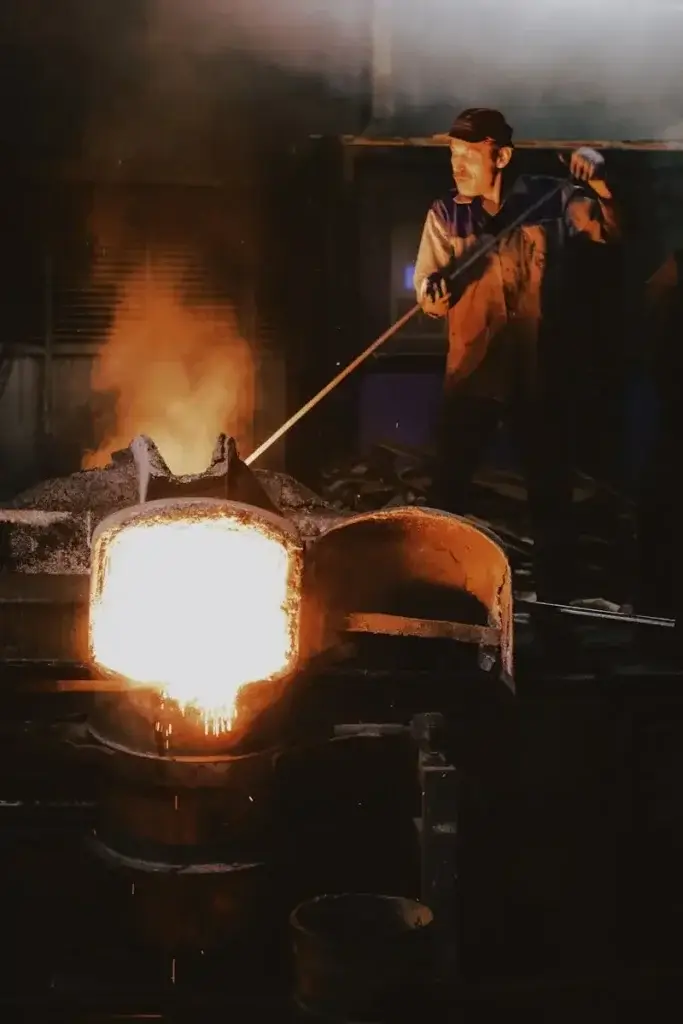
Metallurgical grade alumina is a type of aluminum oxide produced mainly as the core raw material for the HallHéroult electrolytic aluminum smelting process, which is currently the dominant industrial method for manufacturing primary aluminum worldwide. It is derived from bauxite via the Bayer process, in which aluminum hydroxide is extracted and refined before being calcined into finished alumina that meets the physical and chemical standards required for aluminum smelting.
Unlike specialized alumina products developed for ceramics, electronics or refractory uses, metallurgical grade alumina is formulated to match the specific needs of electrolytic reduction cells. Key indicators such as α alumina content, particle size distribution, bulk density, angle of repose, moisture content and chemical purity are carefully adjusted. These properties directly influence how uniformly and efficiently alumina dissolves in the molten cryolite electrolyte, thereby supporting stable and high efficiency aluminum production.
Metallurgical grade alumina is used on an extremely large scale globally. Producing one ton of primary aluminum typically requires 4 to 4.3 tons of alumina, placing it among the most heavily traded industrial mineral materials worldwide. Smelting enterprises purchase metallurgical alumina according to strict specifications to ensure compatibility with their cell design, furnace lining structure and feeding systems. Even small deviations from these standards can significantly affect current efficiency, anode consumption, fluoride emissions and the final quality of aluminum products.
Key Advantages of Metallurgical Grade Alumina
- Optimized Alpha-Alumina Phase Content for Controlled Dissolution in Cryolite Bath:Calcination of metallurgical aluminium oxide produces a controlled combination of alpha and transitional alumina - balancing the fast dissolving reactivity of the transition aluminium with the physical handling stability of alpha-aluminium to attain the dissolution rate profile that modern point feeding aluminium smelting battery designs require for steady bath chemical and constant current efficiency.
- Controlled Particle Size Distribution Supporting Reliable Alumina Feeding System Performance:Grain size distribution in metallurgical aluminum oxide has a direct impact on the reliability of the feed system, dusting behaviour, and dissolution homogeneity within a melting tank – with aluminum oxide meeting either Sandy or Floury grading criteria that provide the fluidity, resting angle, and bulk density properties needed for a continuous point-feeder operation and a minimum aluminum oxide layer forming on the cell bath surface.
- Low Moisture Content Preventing Cell Upset and Hydrogen Fluoride Emission Spikes: The water in the aluminum oxide feed leads to the formation of hydrogen fluoride and the chemical breakdown of the battery bath when it is brought into the high temperature cryolite bath of the reduction battery.
- Chemical Purity Specifications Protecting Aluminum Metal Quality and Cell Lining Longevity: The limitation of silicon dioxide, ferric oxide, sodium oxide, etc. in metallurgy aluminium can avoid pollution of primary aluminium, and can be used to protect the liner material against rapid chemical attack.
- Consistent Bulk Physical Properties Supporting Stable Long-Term Smelter Operations: Batch-to lot consistency in volume, grain size, alpha and chemical composition enables refiners to keep steady cell control parameters, feed schedules, and bath chemical management protocols — by decreasing the frequency of cell operation disruptions, unintended anode effects, and bath chemical adjustments that lower the current efficiency and raise the operation cost per ton of aluminium.
Industry Challenges
Moisture content variability generating hydrogen fluoride emission spikes and cell lining stress
Particle size distribution inconsistency creating alumina feeding system blockages and dusting losses
Tightening fluoride emission regulations increasing demands on alumina dry scrubbing system performance
Product overview
Alumina
DFA-F-MET/R100
Alumina
DFA-F-MET/R300
Alumina
DFA-F-MET/R500
Alumina
CCO-F-MET/R500
Specific Use Scenarios — Metallurgical Grade Alumina
Primary Aluminum Smelting Cell Feedstock
Aluminum Smelter Dry Scrubbing and Fluoride Emission Control
Calcined Alumina Production for Specialty Grade Manufacturing
Alumina Storage, Handling, and Pneumatic Conveying Infrastructure
Anode Cover Material and Bath Chemistry Management Applications
Aluminum Smelter Environmental Compliance and Community Relations Programs
Our Metallurgical Grade Alumina Advantages
Optimized Alpha-Alumina Phase Content for Stable Smelting Cell Performance
Controlled calcining results in an accurate alpha and transition aluminium phase equilibrium needed to achieve a uniform dissolution rate in a cryolite bath - supporting steady cellular chemical composition, minimising anode impact, and keeping current efficiency levels that directly determine aluminium production cost per ton over the entire pot line.
Consistent Particle Size Distribution Ensuring Reliable Feeding System Operation
Accurately controlled grain size distribution provides the flow, volume density, and angle of rest needed for a reliable point-feeder capability - to minimise the clogging of the feed system, to decrease the aluminum oxide dust loss, and to keep the same liquid aluminum concentration that is needed by a stable, highly efficient reduction unit operating across large smelting pot lines.
Low Moisture Content Protecting Cell Chemistry and Fluoride Emission Compliance
The constant low water level prevents the formation of HF in the reduction-battery bath - preserving the chemical stability of the bath, decreasing the HF peak which threatens regulation compliance, and prolonging the service life of the carbon pot liner by minimizing the humidity induced chemical attack that speeds the deterioration of the cathode liner in the working reduction unit.
Find All Activated Carbon Categories
Find All Industrial Solutions
Packaging & Logistics Services
Secure & Customizable Packaging
The products shall be enclosed in a durable, moistureproof pouch or bulk container, so as to guarantee the cleanliness and completeness of transportation. Customized packing options for special size and handling needs.
Reliable & Flexible Global Shipping
Working with reliable logistic partners, we provide a flexible delivery system for maritime, aerial and land-based cargo. Prompt delivery and safe transport to worldwide destinations.
Dedicated Order & Support Coordination
We offer special support for tracking and documenting from the order validation to the last shipment. Availability of technical and logistical support to guarantee the success of the supply chain experience.
Ready to Find Your Perfect Industrial Solution?
How to Order!
Send us your detailed question, or ask for a quote tailored to your activated carbon requirements.
Inquiry Now!
Related Blogs