Nitro Removal Activated Carbon
- Home /
- Activated Carbon /
- Activated Carbon Application /
- Chemical Activated Carbon /
- Nitrate Removal Activated Carbon
What Is Nitro Removal Activated Carbon?
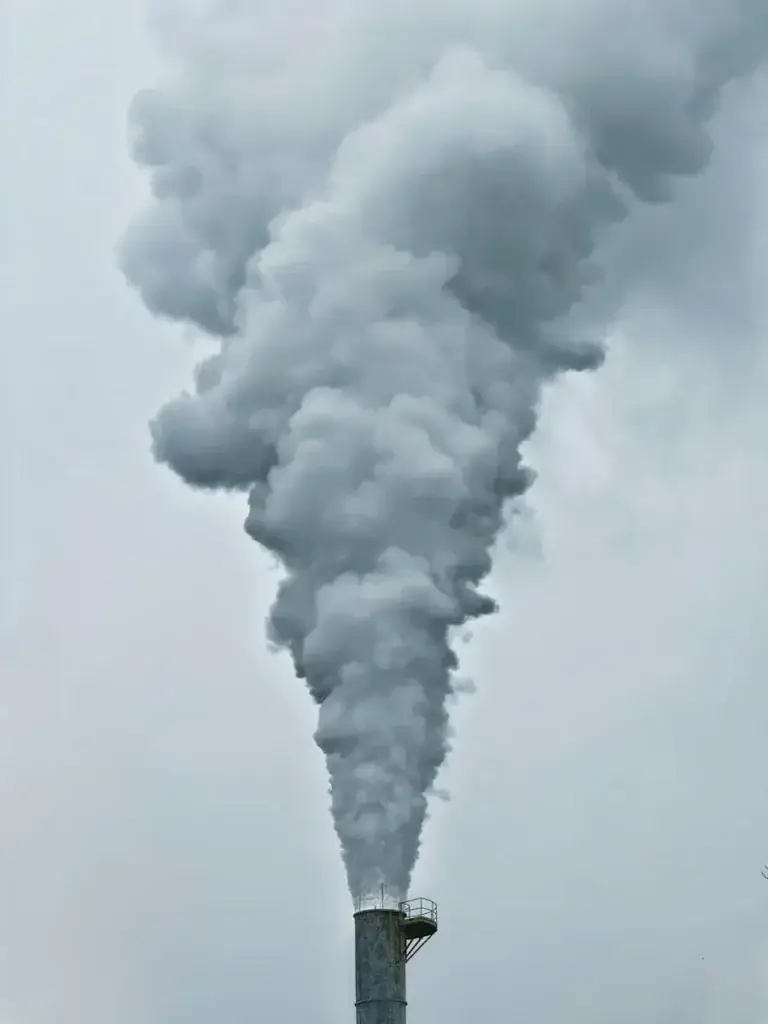
Nitro Removal Activated Carbon denotes specially designed activated carbon materials—encompassing impregnated grades and catalytically active types—employed in industrial flue gas denitrification and process exhaust treatment systems. These materials work to adsorb and reduce nitrogen oxides (NOₓ), such as nitric oxide (NO) and nitrogen dioxide (NO₂), from combustion exhaust streams through a blend of physical adsorption, surface-catalyzed reduction reactions, and, in cases where ammonia-impregnated grades are used, selective catalytic reduction mechanisms that transform NOₓ into harmless nitrogen gas.
Nitrogen oxides are inevitable byproducts of combustion processes where fuels are burned at high temperatures, including coal-fired power plants, gas turbines, industrial boilers, waste incinerators, cement kilns, and chemical manufacturing facilities. In activated carbon-based NOₓ control systems, the carbon surface serves dual purposes: it provides adsorption sites to capture NO and NO₂ from the gas phase, and it creates a catalytic environment that promotes the reduction of these pollutants to molecular nitrogen. This enables dry-process NOₓ removal that integrates seamlessly with activated carbon SO₂ adsorption systems, facilitating combined multi-pollutant flue gas treatment.
As global air quality regulations enforce increasingly stringent NOₓ emission limits across industrial sectors, activated carbon denitrification offers industrial operators a technically feasible dry-process alternative—or complementary technology—to selective catalytic reduction (SCR) systems for meeting NOₓ compliance requirements. This is particularly valuable in retrofit applications, where space, temperature, and capital constraints restrict the installation of conventional SCR systems.
Key Advantages of Nitro Removal Activated Carbon
-
Integrated SO₂ and NOₓ Co-Removal in a Single Treatment System: Activated carbon moving bed reactors achieve the simultaneous removal of SO₂ and NOₓ from complex industrial flue gas streams. They deliver combined multi-pollutant compliance through a single compact installation, which eliminates the requirement for separate desulfurization and denitrification systems operating in a series configuration.
- Dry-Process Operation Without Ammonia Slip or Catalyst Poisoning Risk: Unlike SCR systems where ammonia is injected as a reducing agent and an accurate temperature window is needed and an expensive vanadium-titanium catalyst is needed, active carbon norepinephrine removal is performed as a dry method with no ammonia-slip emissions, SO ₂ induced catalyst toxicity, or high temperature smoke conditioning requirements which make it difficult to carry out an SCR conversion in low temperature exhaust.
-
Thermal Regeneration Restoring Full Adsorption and Catalytic Activity: Thermal regeneration of spent active carbon containing adsorbed nitrogen-containing compounds can be achieved at a controlled temperature to recover both the adsorption capability and the catalytic surface activity – allowing for a continuous closed loop NOₓ with a predictable carbon make-up consumption and no SCR system switching costs.
-
Effective Performance Across Variable NOₓ Concentration and Flue Gas Conditions: Active carbon denitrogenation systems retain reliable NOₓ removal properties over the fluctuating NOHC concentrations, temperature fluctuations, and smoke components typically associated with actual industrial combustion operations – offering operating stability that is difficult for fixed-window catalyst systems to match during load cycling and process disruptions.
-
Compact Retrofit-Friendly Installation for Existing Industrial Facilities: Active carbon NOₓ can accomplish significant denitrogenation in a much lower footprint compared to an equivalent SCR device - making them a preferred technical option for an existing plant, an industrial boiler, or a process facility that is constrained by space, structure, and funds to install a complete SCR system.
Industry Challenges
Progressively Tightening NOₓ Emission Limits Across Industrial Sectors
High Capital and Operating Costs of Conventional SCR Systems
Ammonia Slip Contamination from SCR Denitrification Systems
Product overview
Activated Carbon
AQ-GCL-0830
Specific Use Scenarios — Nitro Removal Activated Carbon
Coal-Fired Power Plant Combined SO₂ and NOₓ Control
Industrial Boiler and Thermal Power Facility Denitrification
Waste Incineration Facility Multi-Pollutant Exhaust Treatment
Cement Kiln NOₓ Emission Compliance
Chemical Manufacturing Process Off-Gas Denitrification
Sintering Plant Exhaust Gas NOₓ Reduction
Glass Furnace Combustion Exhaust Treatment
Activated Carbon Coke Moving Bed Integrated Desulfurization and Denitrification
Our Nitro Removal Activated Carbon Advantages
Integrated SO₂ and NOₓ Co-Removal in a Single Dry-Process Installation
Activated carbon enables the simultaneous removal of NOₓ and SO₂ from complex industrial flue gas in a single moving bed reactor, eliminating the requirement for separate SCR and wet FGD systems. This not only reduces the overall installation footprint but also achieves combined multi-pollutant compliance with significantly lower capital investment.
No Ammonia Slip, No Catalyst Poisoning, No High-Temperature Requirement
Different from SCR systems, the activated carbon-based NOₓ control method operates without ammonia slip emissions. It is not affected by SO₂-induced catalyst poisoning and can work effectively at lower flue gas temperatures — making it a practical denitrification solution for retrofit projects where the installation of SCR systems is restricted by technical or economic factors.
Thermal Regeneration Restoring Full Performance Across Extended Service Life
Thermal regeneration of spent activated carbon enables full recovery of both the adsorption capacity and the catalytic NO-reduction activity — enabling continuous closed loop operation with predictable make-up carbon consumption and no periodic catalyst replacement costs that drive long-term SCR system operational expenses.
Find All Activated Carbon Categories
Find All Industrial Solutions
Packaging & Logistics Services
Secure & Customizable Packaging
The products shall be enclosed in a durable, moistureproof pouch or bulk container, so as to guarantee the cleanliness and completeness of transportation. Customized packing options for special size and handling needs.
Reliable & Flexible Global Shipping
Working with reliable logistic partners, we provide a flexible delivery system for maritime, aerial and land-based cargo. Prompt delivery and safe transport to worldwide destinations.
Dedicated Order & Support Coordination
We offer special support for tracking and documenting from the order validation to the last shipment. Availability of technical and logistical support to guarantee the success of the supply chain experience.
Ready to Find Your Perfect Industrial Solution?
How to Order!
Send us your detailed question, or ask for a quote tailored to your activated carbon requirements.
Inquiry Now!
Related Blogs