Refractory Alumina
- Home /
- Alumina /
- Alumina Application /
- Refractory Alumina
What Is Refractory Alumina?
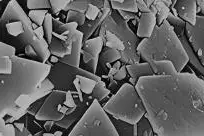
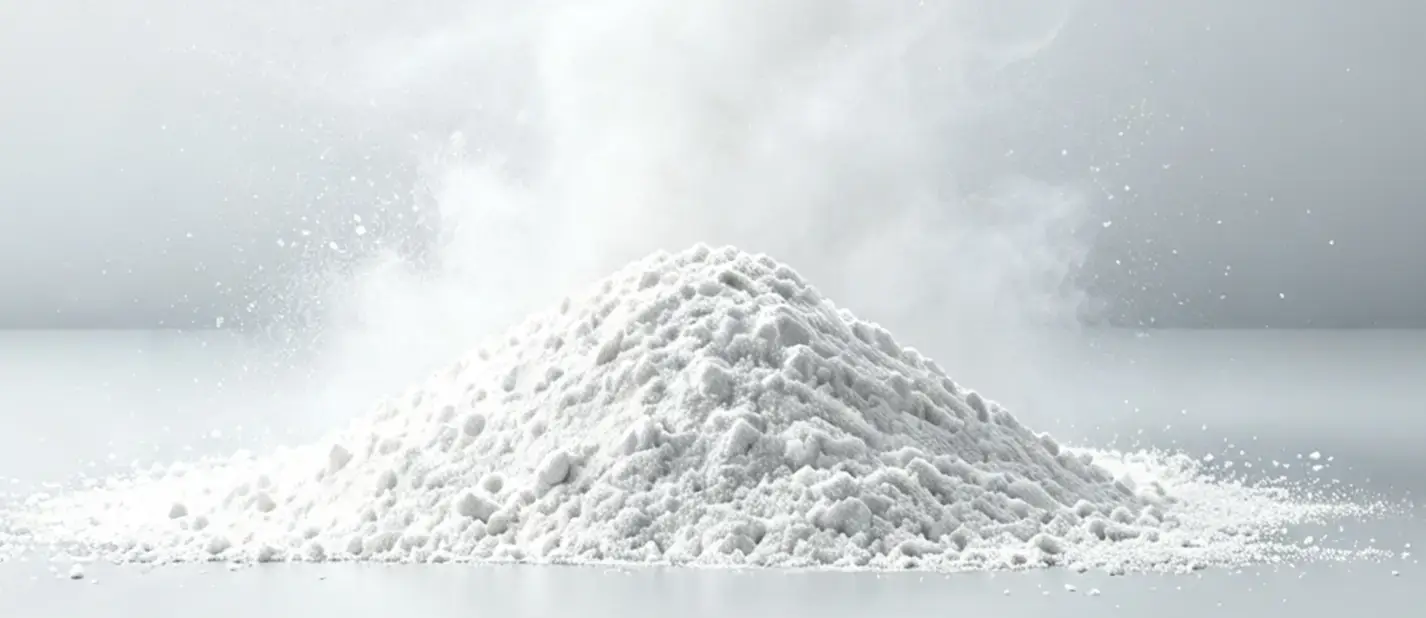
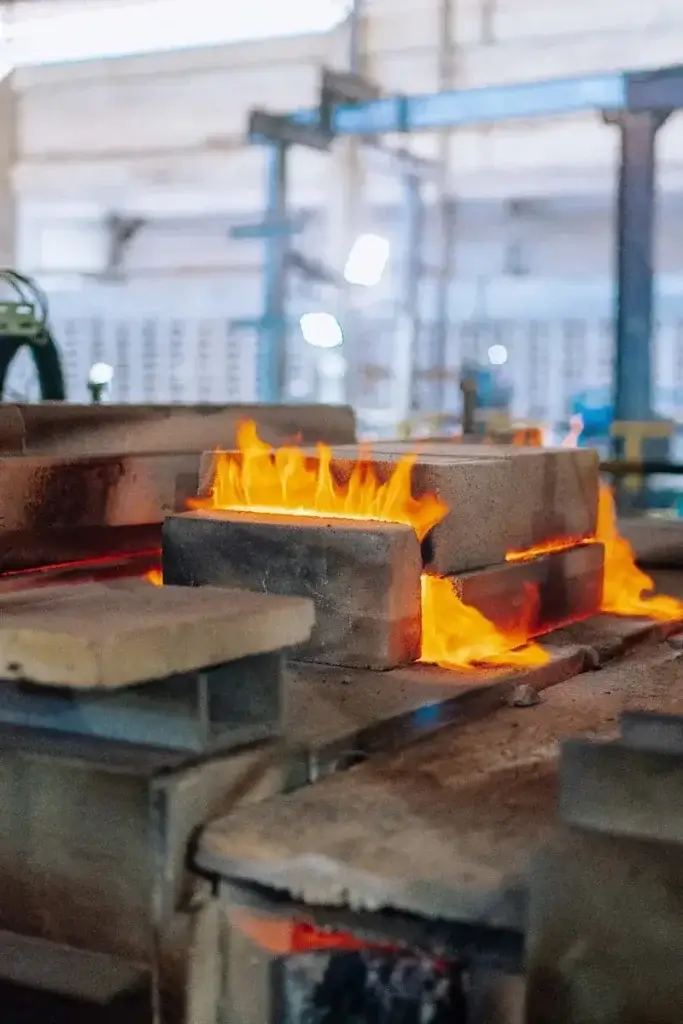
Refractory alumina refers to aluminum oxide (Al₂O₃) materials with high alumina content that are specially selected and processed for the production of refractory products. These products include castables, bricks, monolithic linings, precast shapes, and ceramic fiber compositions, all of which are designed to endure long-term service under extreme temperature conditions in industrial furnaces, kilns, reactors, and high-temperature process vessels.
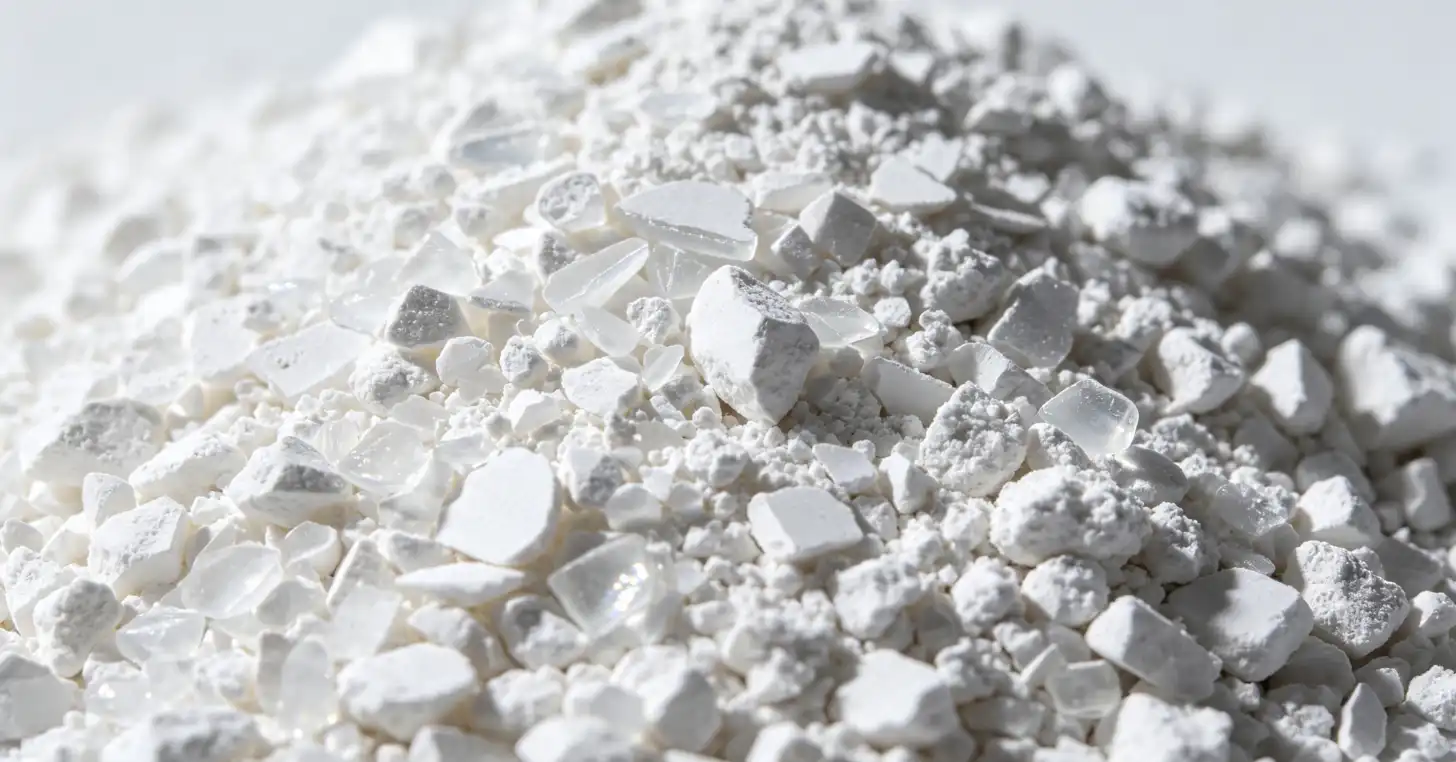
According to different application requirements, refractory alumina exists in several material forms. Calcined alumina, which features high purity and controlled particle size, is applied in the formulation of castables and bricks. Tabular alumina, as a sintered aggregate, offers excellent dimensional stability and resistance to thermal shock. Fused alumina, meanwhile, provides maximum density and resistance to slag penetration, making it suitable for the most chemically aggressive high-temperature environments. The selection of each form depends on the specific temperature exposure, intensity of thermal cycling, chemical attack conditions, and mechanical load requirements of the target refractory application.
The performance of refractory systems in steel furnaces, cement rotary kilns, glass melting tanks, aluminum smelting cells, petrochemical crackers, and waste incineration chambers is closely related to the alumina content, phase composition, and microstructure of the refractory materials used. The higher the alumina content — ranging from 70% Al₂O₃ in high-alumina brick to more than 99% in ultra-high-purity castable formulations — the better the service temperature capability, chemical resistance, and mechanical strength of the material under thermal load.
Key Advantages of Refractory Alumina
- Exceptional High-Temperature Service Capability Above 1600°C: Refractory aluminum oxide keeps structure, size, and load bearing capability at a constant operating temperature above 1,600 degrees Celsius - allowing for a reliable liner performance in the most heated areas of a steel ladle, an EAF, a rotating concrete kiln, and a glass container regenerator.
- Superior Resistance to Slag, Molten Metal, and Chemical Attack: High-alumina refractory materials are resistant to penetration and chemical dissolution by iron and steel slags, molten aluminium, cement clinker, glass melt, and industrial chemical process flows — significantly extending the service life of the lining and reducing the frequency of expensive scheduled and unplanned refractory reining campaigns in high-wear furnace zones.
- Thermal Shock Resistance Supporting Intermittent and Cyclic Operation: Refractory alumina formulations -- especially those based on tabular alumina aggregate -- have a controlled porosity and adhesion to accommodate the hot expanding stresses produced by quick heating and cooling cycles in a batch oven, a ladle pre-heater, and a treatment container which is subject to frequent temperature shifts.
- High Mechanical Strength Under Combined Thermal and Physical Loading: Aluminum oxide refractory liner retains compression, abrasion-resistant, and structural integrity when subjected to a combination of mechanical stresses such as liquid metal static pressure, charge shock, air current erosion, and heat gradient loading.
- Versatile Material Forms for Diverse Refractory System Designs: Available as calcining, tabular, and fused alumina grades in powder, granular, and aggregate - refractory aluminum oxide may be made into cast casting, firing mixture, pressed brick, pre-cast, and plastic refractories to meet the assembly process, geometry complexity, and properties required for every particular furnace or kiln liner.
Industry Challenges
Increasingly aggressive slag compositions accelerating refractory lining wear and penetration
Thermal shock damage from rapid temperature cycling in batch and intermittent process operations
Rising furnace operating temperatures pushing conventional refractory grades beyond their service limits
Product overview
Alumina
DFA-F-MET/R100
Alumina
DFA-F-MET/R300
Alumina
DFA-F-MET/R500
Alumina
CCO-F-MET/R500
Specific Use Scenarios — Refractory Alumina
Steel Manufacturing — Ladle, Furnace, and Converter Lining Systems
Cement Production — Rotary Kiln Burning Zone and Transition Zone Linings
Glass Manufacturing — Melting Tank, Regenerator, and Feeder System Linings
Aluminum Smelting and Non-Ferrous Metal Processing
Petrochemical and Refinery High-Temperature Reactor and Heater Linings
Waste Incineration and Thermal Treatment Facility Linings
Industrial Furnace and Kiln Furniture for Ceramic and Electronic Component Firing
Our Refractory Alumina Advantages
Extreme Temperature Stability Enabling Continuous High-Temperature Service
Refractory aluminum oxide is able to keep structure, load bearing and dimension stable at more than 1,600 degrees Celsius for a long period of time - to offer solid liner properties in the most heated areas of a steel ladle, an EAF, a concrete kiln or a glass-melting vessel.
Superior Slag and Molten Metal Resistance Extending Lining Campaign Life
High-alumina refractory materials can effectively impede the chemical penetration and erosion caused by steel slags, molten aluminum, cement clinker and glass melts. This greatly prolongs the service cycle of furnace linings and lowers the frequency of expensive refractory replacement in high-wear kilns and furnaces.
Versatile Material Forms Supporting Diverse Refractory System Designs
High-alumina refractory materials can effectively impede the chemical penetration and erosion caused by steel slags, molten aluminum, cement clinker and glass melts. This greatly prolongs the service cycle of furnace linings and lowers the frequency of expensive refractory replacement in high-wear kilns and furnaces. Available in the form of calcining, tabular, and fused alumina grades in powder, granular, and aggregate - refractory aluminum oxide is made into castables, firing mixtures, moulded bricks and precast forms according to the assembly techniques and properties required for each particular furnace or kiln liner.
Find All Activated Carbon Categories
Find All Industrial Solutions
Packaging & Logistics Services
Secure & Customizable Packaging
The products shall be enclosed in a durable, moistureproof pouch or bulk container, so as to guarantee the cleanliness and completeness of transportation. Customized packing options for special size and handling needs.
Reliable & Flexible Global Shipping
Working with reliable logistic partners, we provide a flexible delivery system for maritime, aerial and land-based cargo. Prompt delivery and safe transport to worldwide destinations.
Dedicated Order & Support Coordination
We offer special support for tracking and documenting from the order validation to the last shipment. Availability of technical and logistical support to guarantee the success of the supply chain experience.
Ready to Find Your Perfect Industrial Solution?
How to Order!
Send us your detailed question, or ask for a quote tailored to your activated carbon requirements.
Inquiry Now!
Related Blogs