Chloride Process Titanium Dioxide
- Home /
- Titanium Dioxide /
- Titanium Dioxide Types /
- Chloride Process Titanium Dioxide
What Is Chloride TiO₂?
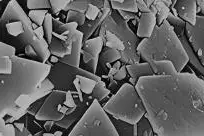
Chloride titanium dioxide is a premium-grade TiO₂ pigment produced through the chloride process — one of the two principal industrial manufacturing routes for titanium dioxide. In this process, titanium-bearing ores, typically high-grade rutile or synthetic rutile, are reacted with chlorine gas at high temperatures to form titanium tetrachloride (TiCl₄). This intermediate is then purified through fractional distillation and subsequently oxidized at extreme temperatures to yield a highly pure, fine-particle rutile TiO₂ pigment.
Compared to the sulfate process, the chloride route produces titanium dioxide with a higher degree of chemical purity, tighter particle size distribution, and superior optical properties. The resulting product is almost exclusively rutile in crystal form — the crystal structure renowned for its exceptional refractive index, durability, and UV resistance. Chloride-process TiO₂ has become the industry standard for applications where performance, consistency, and longevity are the primary purchasing criteria.
Why Choose Chloride TiO₂?
-
Superior Whiteness & Opacity Chloride TiO₂ delivers exceptional light scattering efficiency and hiding power, achieving higher whiteness and opacity levels than sulfate-process alternatives — critical for premium paints, coatings, and packaging applications.
-
Outstanding Weather & UV ResistanceThe rutile crystal structure of chloride-process TiO₂ provides industry-leading resistance to UV degradation and chalking, making it the go-to choice for exterior coatings, automotive finishes, and outdoor plastic components.
- Higher Chemical PurityThe chloride process produces TiO₂ with significantly lower impurity levels, resulting in a more stable, consistent pigment that performs reliably across sensitive and high-specification formulations.
- Cleaner Production ProfileGenerating less acidic wastewater than the sulfate process, chloride-process manufacturing aligns more readily with increasingly stringent environmental standards — an important consideration for sustainability-focused procurement teams.
-
Excellent Dispersion & Formulation CompatibilityChloride TiO₂ disperses uniformly in both water-based and solvent-based systems, reducing processing time and delivering smooth, consistent finish quality across a wide range of coating and plastic formulations.
-
Premium Application PerformanceSpecified by leading manufacturers in automotive, aerospace, and high-end architectural coatings, chloride TiO₂ is the benchmark pigment grade wherever top-tier optical and durability performance is required.
Industry Challenges
High Production Cost
The chloride process requires advanced high-temperature reactors and premium-grade titanium feedstocks, resulting in a higher unit production cost compared to sulfate-process TiO₂.
Demanding Raw Material Requirements
Chloride-process production relies on high-purity rutile or synthetic rutile ore, limiting feedstock flexibility and exposing supply chains to raw material availability and pricing pressures.
Complex Process Control
Operating with highly corrosive chlorine gas at extreme temperatures demands sophisticated engineering controls, specialized equipment, and stringent safety protocols — raising both capital and operational expenditure.
Higher Market Price Point
The premium performance of chloride TiO₂ comes at a higher purchase price, which can limit its adoption in cost-sensitive applications where sulfate-process grades are considered sufficient.
Limited Producer Base
Global chloride-process TiO₂ production is concentrated among a relatively small number of large-scale manufacturers, reducing supply source diversity and increasing buyer dependency on a few key suppliers.
Product overview
Titanium Dioxide
RC-I300
Titanium Dioxide
RC-I500
Titanium Dioxide
RC-M300
Titanium Dioxide
RC-M500
Titanium Dioxide
RC-P300
Titanium Dioxide
RC-P500
Titanium Dioxide
RC-PA500
Titanium Dioxide
RC-C500
Titanium Dioxide
RC-T300
Titanium Dioxide
RC-T500
Why Use Our Chloride TiO₂?
Exceptional Whiteness & Hiding Power
Chloride-process TiO₂ delivers superior light scattering efficiency and opacity, producing brilliant, consistent whiteness that outperforms sulfate-grade alternatives — ideal for premium paints, coatings, and packaging where visual quality drives purchasing decisions.
Outstanding UV & Weather Resistance
The rutile crystal structure inherent to chloride TiO₂ provides best-in-class resistance to UV degradation, chalking, and yellowing — making it the preferred pigment for exterior coatings, automotive finishes, and outdoor plastics.
Superior Particle Size Consistency
Tight particle size distribution delivers uniform dispersion and smooth finish quality, reducing processing variability and ensuring reliable optical performance batch after batch in both water- and solvent-based systems.
Related Applications
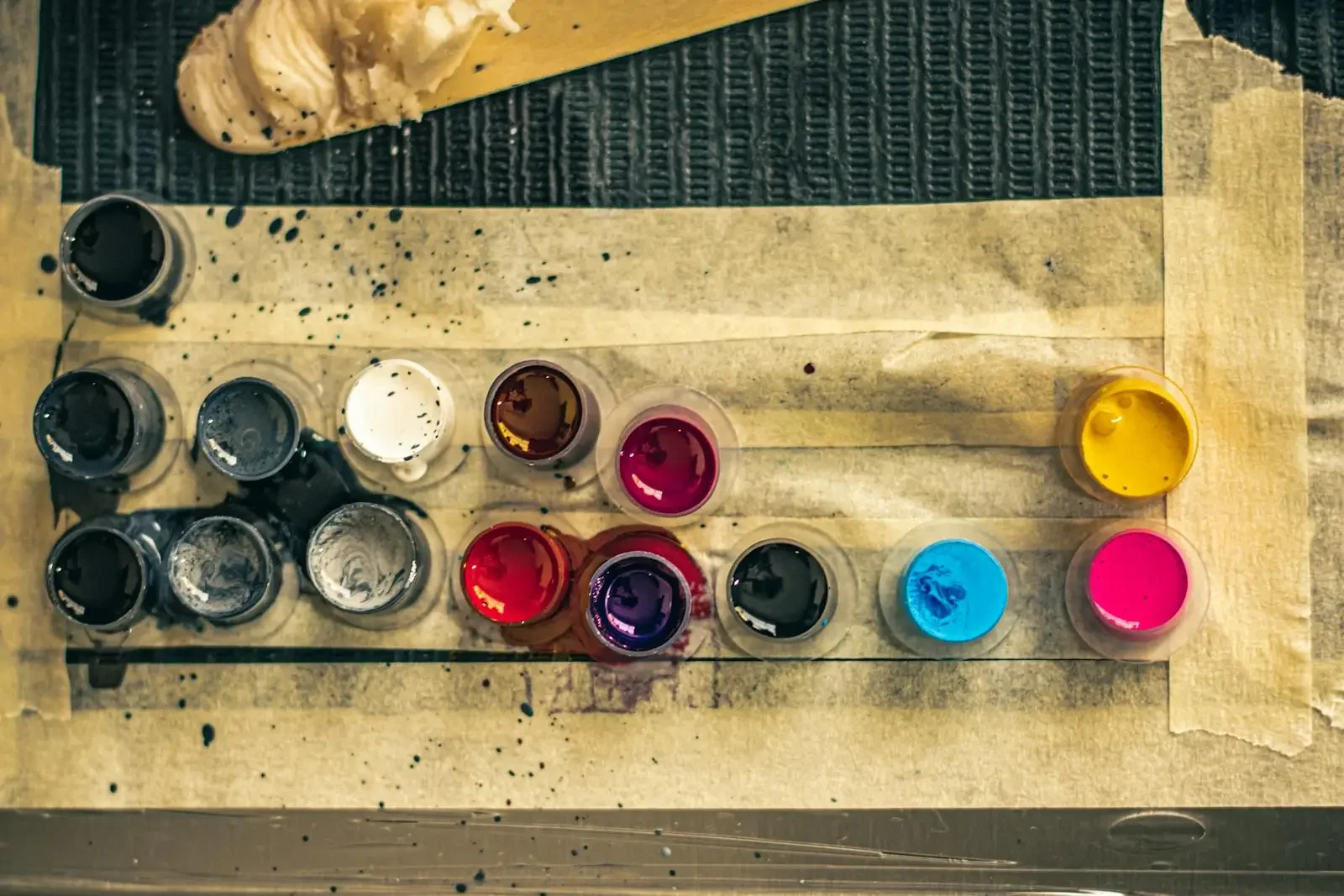
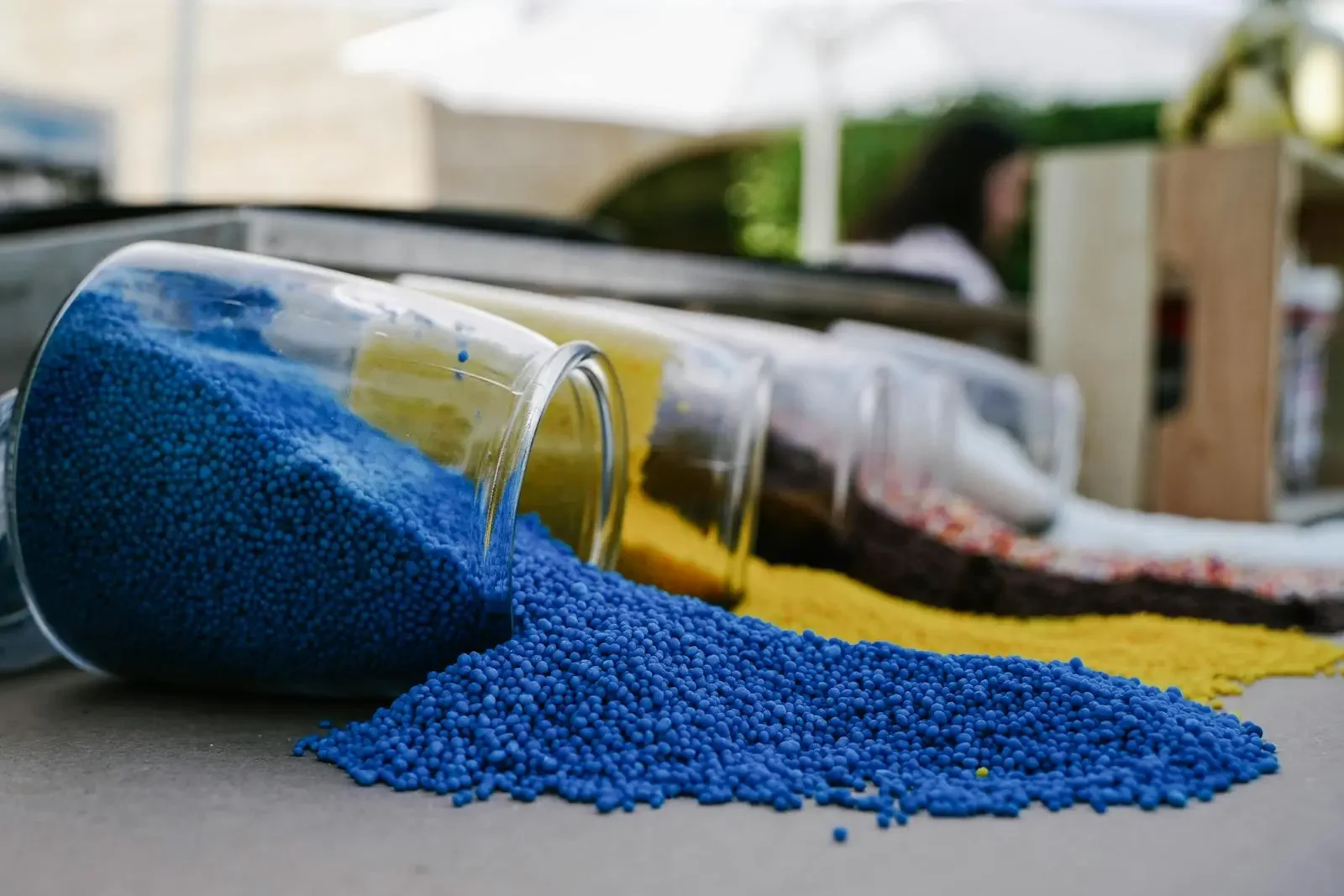
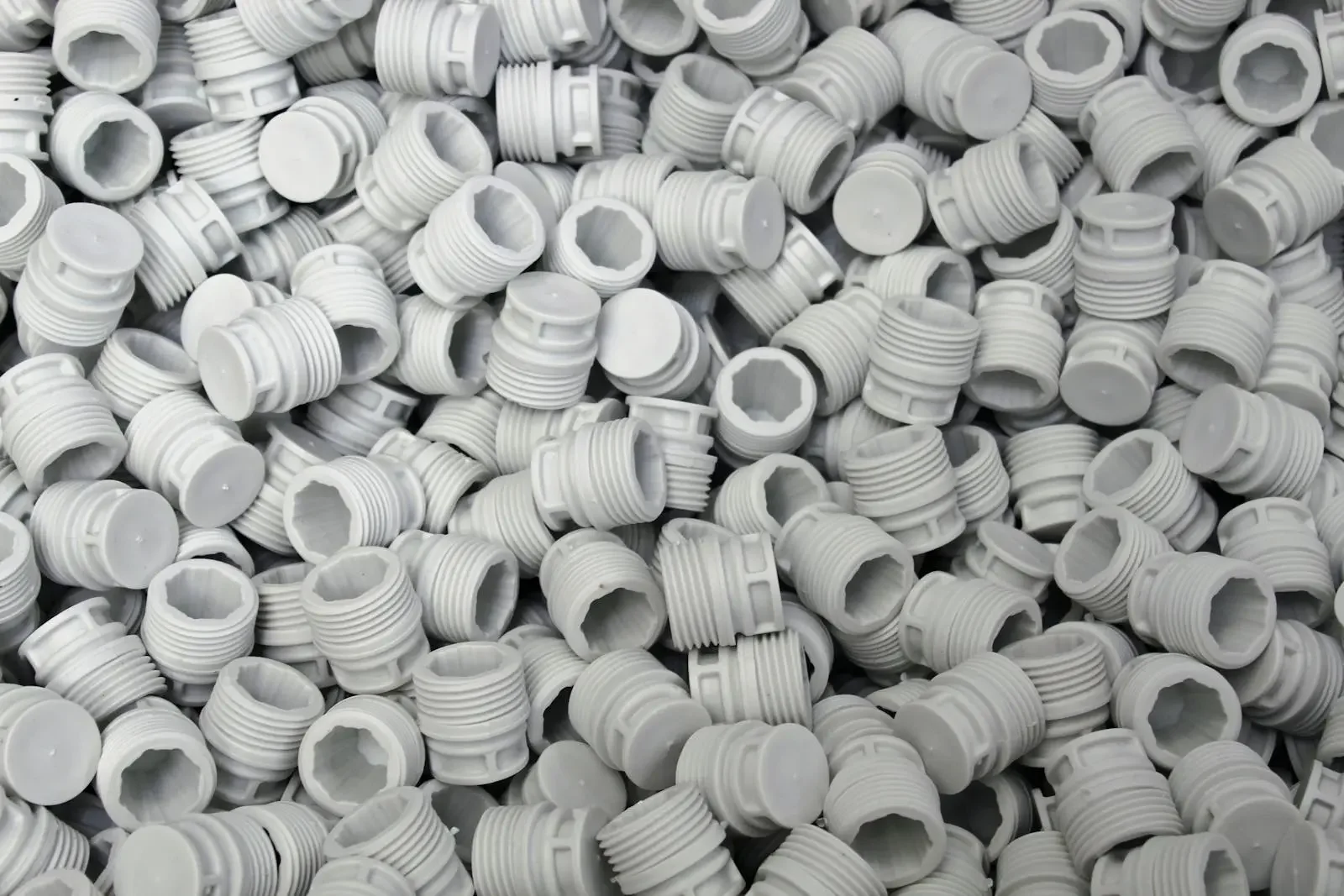


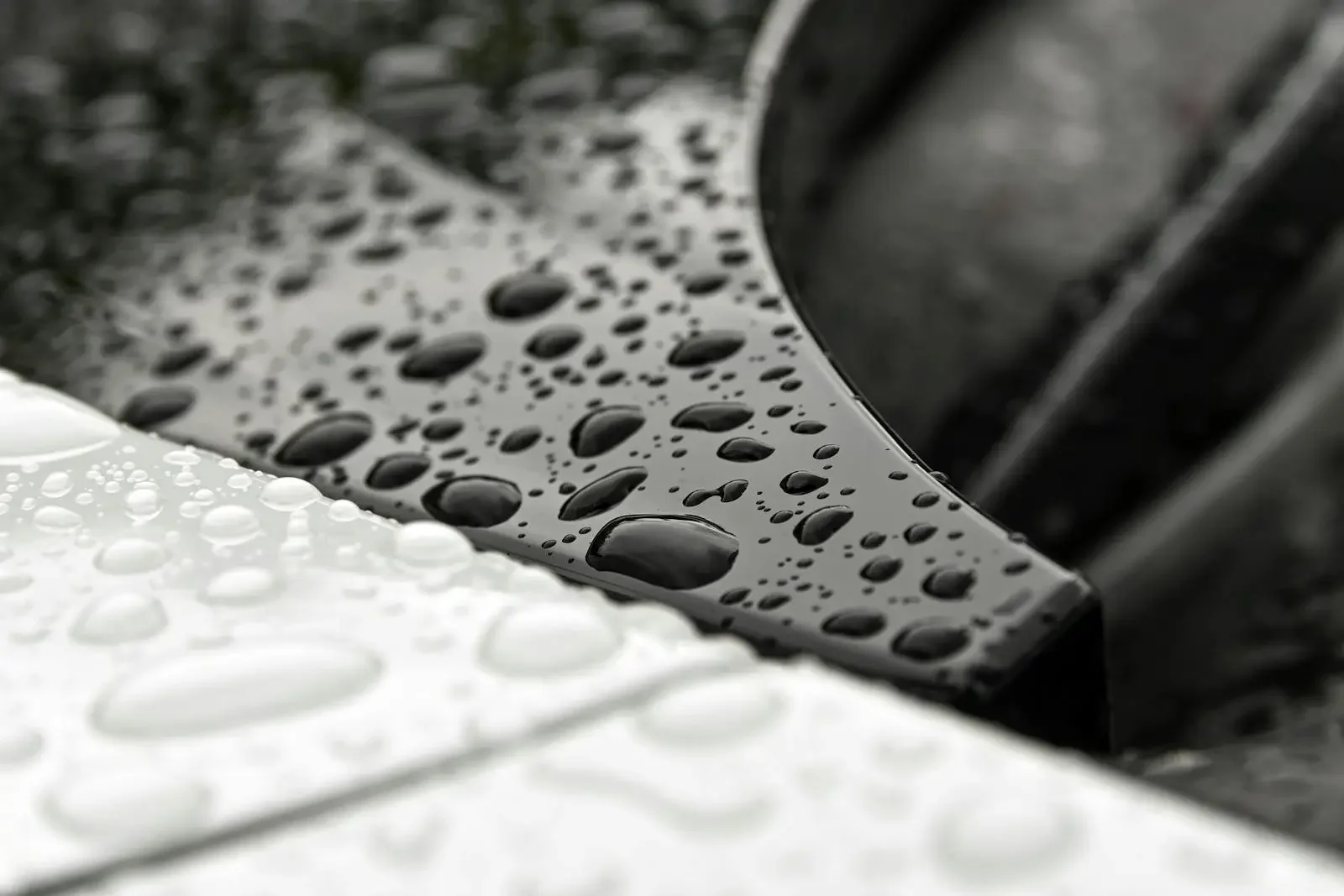
Industry Solutions
Packaging & Logistics Services
Secure & Customizable Packaging
The products shall be enclosed in a durable, moistureproof pouch or bulk container, so as to guarantee the cleanliness and completeness of transportation. Customized packing options for special size and handling needs.
Reliable & Flexible Global Shipping
Working with reliable logistic partners, we provide a flexible delivery system for maritime, aerial and land-based cargo. Prompt delivery and safe transport to worldwide destinations.
Dedicated Order & Support Coordination
We offer special support for tracking and documenting from the order validation to the last shipment. Availability of technical and logistical support to guarantee the success of the supply chain experience.
Ready to Find Your Perfect Industrial Solution?
How to Order!
Send us your detailed question, or ask for a quote tailored to your activated carbon requirements.
Inquiry Now!
Related Blogs