Chemical Activated Carbon
- Home /
- Activated Carbon /
- Activated Carbon Application /
- Chemical Activated Carbon
What Is Chemical Activated Carbon?
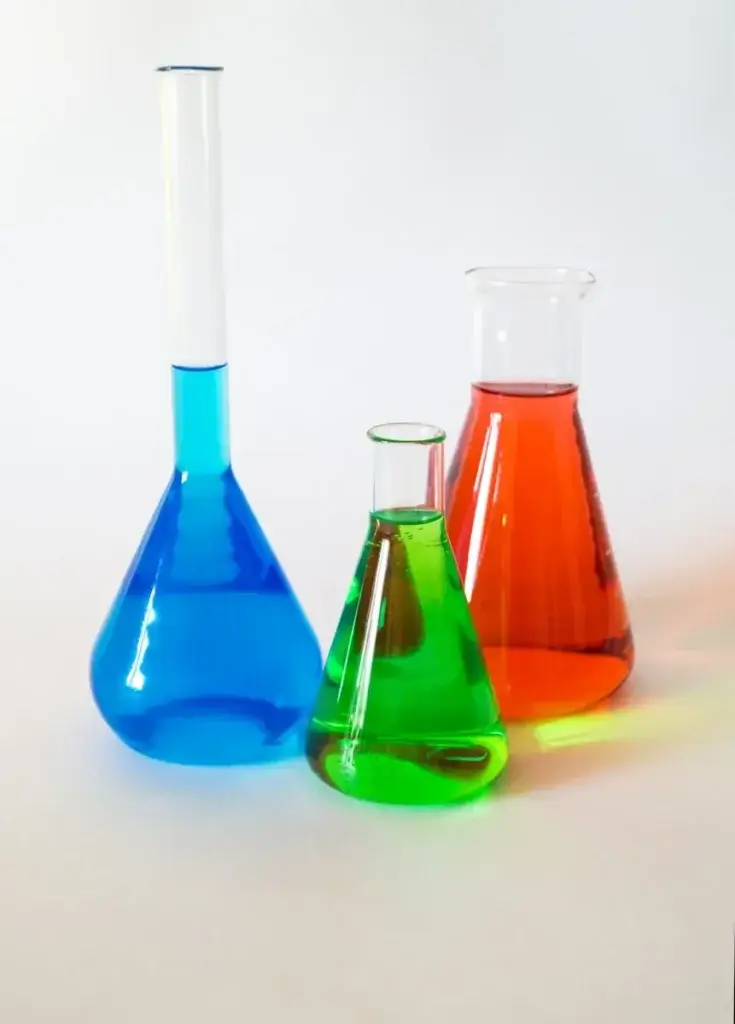
Activated Carbon for Chemical Processing refers to industrial-grade activated carbon materials — available in granular, pelletized, and powdered formats — specifically selected and engineered for integration into chemical manufacturing processes where adsorption, catalysis, purification, and solvent recovery performance are critical to product quality, process efficiency, and regulatory compliance.
In chemical processing environments, activated carbon serves multiple distinct functional roles. As a catalyst support, its high surface area and thermal stability enable uniform dispersion of active metal phases in hydrogenation, oxidation, and other catalytic reactions. As a purification agent, it removes color bodies, organic impurities, and reaction byproducts from intermediate and finished chemical streams. In solvent recovery systems, activated carbon captures and concentrates volatile organic solvents from process exhaust streams for reuse — reducing raw material costs and meeting increasingly stringent VOC emission regulations.
The demanding operating conditions of chemical processing — including exposure to aggressive chemicals, elevated temperatures, and high-pressure process streams — require activated carbon with precisely characterized pore structures, controlled ash content, and verified chemical resistance. Consistent batch-to-batch performance is essential for process reproducibility and product specification compliance across continuous and batch chemical manufacturing operations.
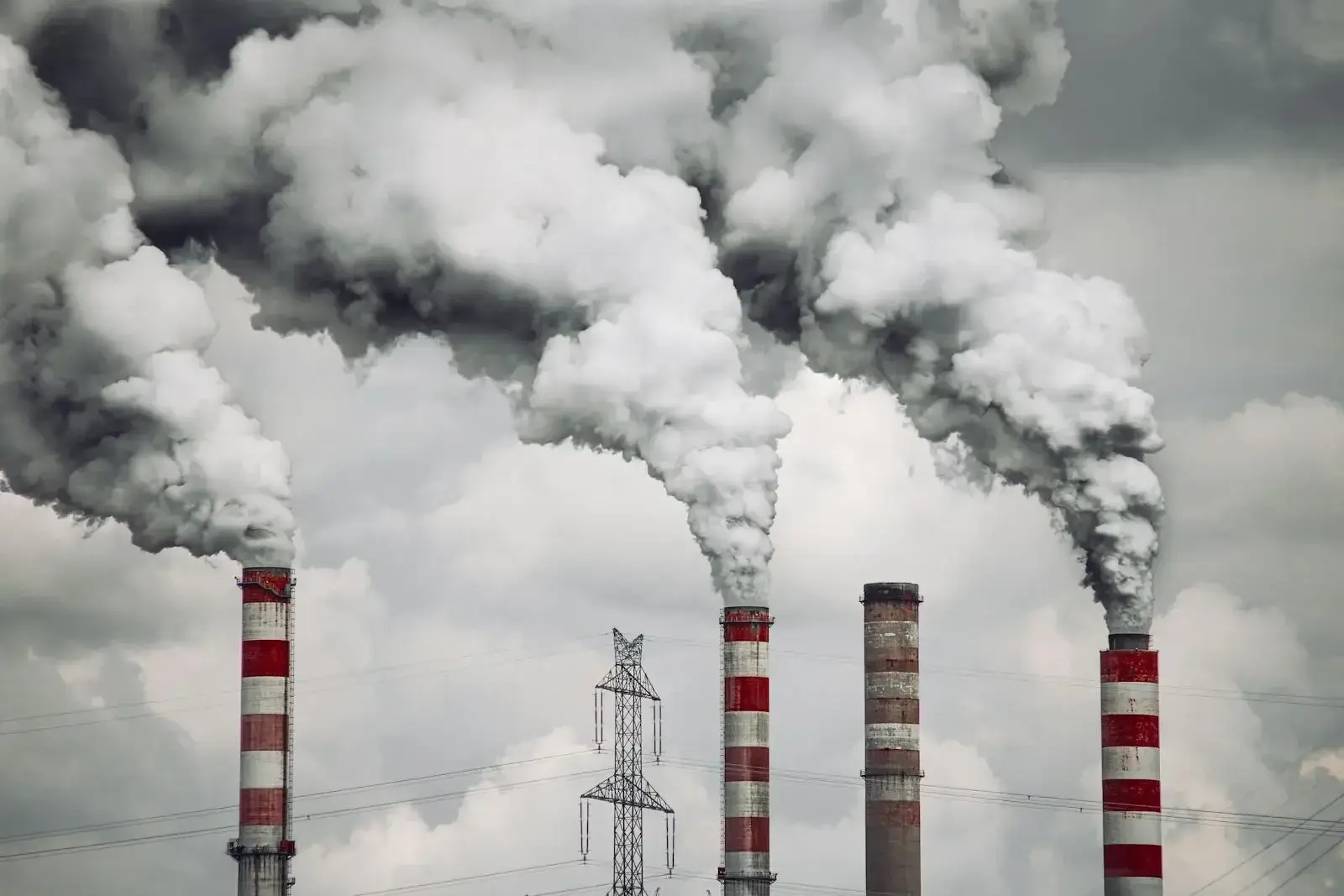
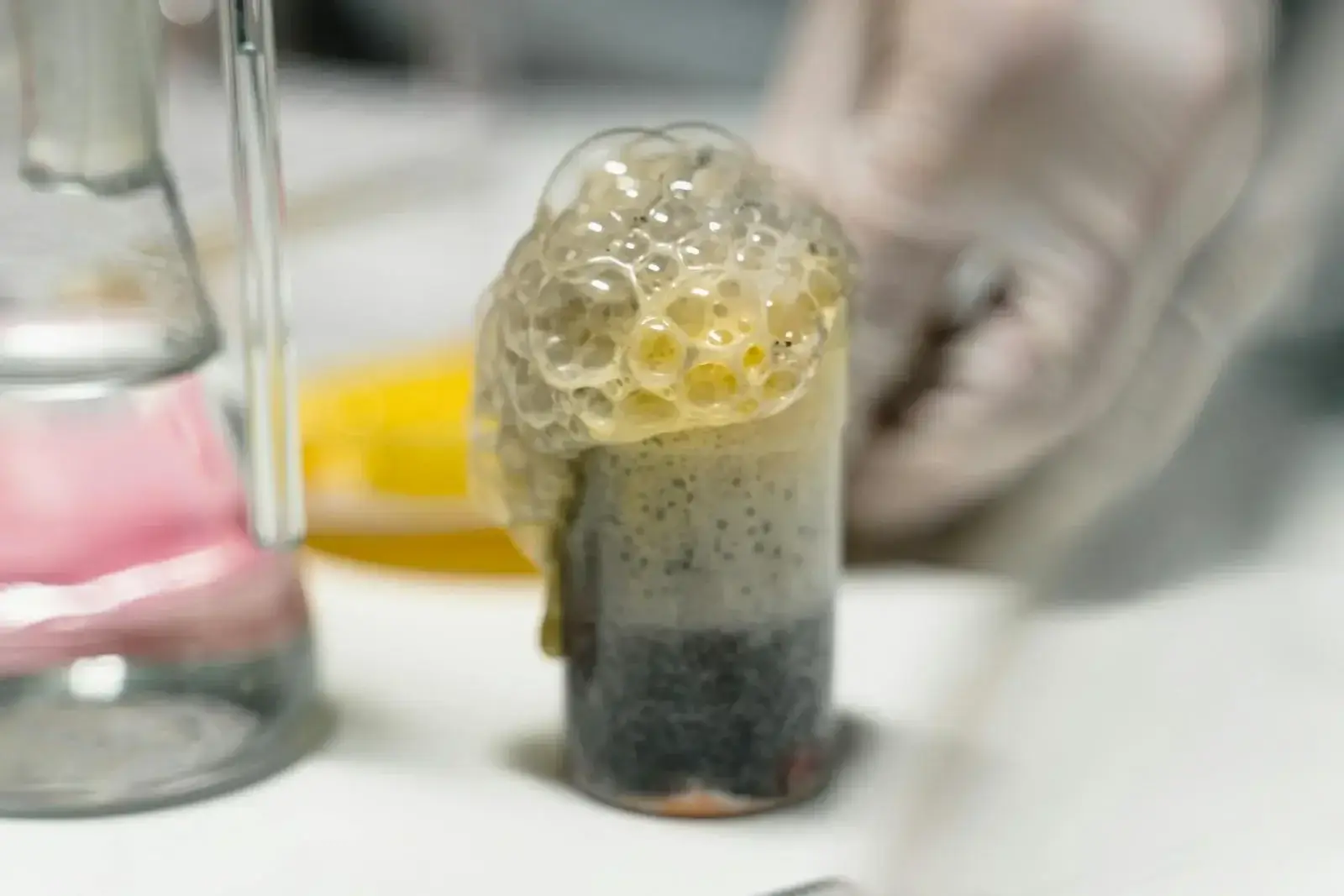
Chemical Processing Applications

Find Right Type Of Activated Carbon
Chemical Material Solutions
Our Advantages About Chemical Activated Carbon
Precisely Engineered Pore Structure for Catalyst Support and Process Purification
Controlled mesopore and micropore distribution enables uniform active metal dispersion in catalytic applications and selective adsorption of target impurities in process streams — delivering reproducible reaction performance and consistent product quality across continuous chemical manufacturing operations.
High Mechanical Strength and Chemical Resistance for Demanding Process Conditions
Coal-based and coconut shell-based pelletized grades withstand the mechanical stress, chemical exposure, and elevated temperatures of industrial reactor and adsorption column environments — minimizing carbon fines generation, reducing process contamination risk, and extending service life between carbon replacement cycles.
Proven Solvent Recovery and VOC Emission Control Performance
High-surface-area activated carbon grades with optimized solvent adsorption capacity capture and concentrate volatile organic compounds from process exhaust streams for solvent reuse — reducing raw material consumption, lowering operating costs, and meeting increasingly stringent industrial VOC emission regulations without complex process modifications.
Packaging & Logistics Services
Secure & Customizable Packaging
The products shall be enclosed in a durable, moistureproof pouch or bulk container, so as to guarantee the cleanliness and completeness of transportation. Customized packing options for special size and handling needs.
Reliable & Flexible Global Shipping
Working with reliable logistic partners, we provide a flexible delivery system for maritime, aerial and land-based cargo. Prompt delivery and safe transport to worldwide destinations.
Dedicated Order & Support Coordination
We offer special support for tracking and documenting from the order validation to the last shipment. Availability of technical and logistical support to guarantee the success of the supply chain experience.
Ready to Find Your Perfect Industrial Solution?
How to Order!
Send us your detailed question, or ask for a quote tailored to your activated carbon requirements.