
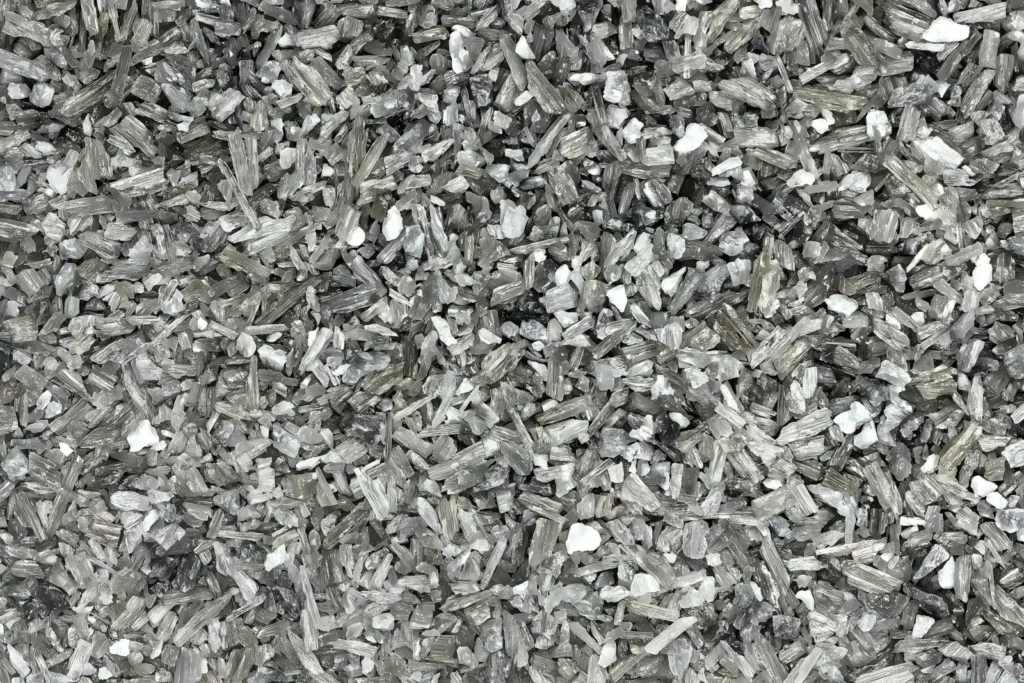
The global high-alumina aggregate market is entering a period of steady expansion, with demand driven by infrastructure investment in emerging economies, steel industry modernization, and the growing need for longer-lasting refractory linings in high-temperature industrial processes. In 2025, the worldwide market for high-alumina aggregates reached $1.49 billion, and projections indicate growth to $2.08 billion by 2032 at a compound annual growth rate of 4.92%. This sustained expansion reflects the essential role these materials play across iron and steel production, cement manufacturing, ceramics fabrication, and abrasive processing sectors that form the backbone of industrial economies worldwide.
Alumina aggregate—a granular aluminum oxide material with Al₂O₃ content exceeding 90%—serves as the structural backbone of refractory castables, providing the high-temperature strength, thermal shock resistance, and chemical stability required for furnace linings, kiln furniture, and molten metal containment systems in steelmaking, petrochemical, and glass manufacturing operations.
The alumina aggregate category encompasses several distinct material types produced through different manufacturing processes, each with unique property profiles suited to specific industrial requirements. Tabular alumina, produced by sintering at ultra-high temperatures, offers the highest density and lowest porosity for premium refractory applications. Brown fused alumina, produced by electric arc melting of bauxite, provides high toughness at an economical price point for heavy-duty grinding and general refractory use. White fused alumina, manufactured from high-purity calcined alumina, delivers superior purity for precision applications where contamination control is paramount. Understanding the differences between these aggregate types enables procurement professionals to optimize both performance and cost across their refractory and abrasive supply chains.
Tabular Alumina Aggregate: Properties and Premium Applications
Tabular alumina is a high-density, low-porosity aggregate produced by sintering calcined alumina at 1,800-1,900°C, achieving Al₂O₃ content of 99.2-99.5%, bulk density of at least 3.50 g/cm³, and water absorption below 1.0%, making it the premium choice for critical refractory applications requiring maximum thermal stability and mechanical strength.
The production of tabular alumina involves an energy-intensive process that transforms fine calcined alumina powder into dense, coarse aggregate through extended high-temperature sintering in shaft kilns. During this process, the alumina particles recrystallize into well-developed, plate-like alpha-alumina crystals with closed, spherical pores. The resulting material exhibits exceptional properties: true density approaching 3.95 g/cm³, apparent porosity as low as 3.5%, and virtually complete alpha-phase conversion. These characteristics translate directly into performance advantages in refractory applications, including superior volume stability under thermal cycling, excellent resistance to molten metal and slag penetration, and minimal shrinkage during high-temperature service.
The physical form of tabular alumina as graded aggregate ranging from fine fractions (0-0.5mm) to coarse fractions (8-15mm) makes it suitable as the primary aggregate in refractory formulations. In a typical low-cement castable, tabular alumina comprises 60-80% of the formulation by weight, providing the structural backbone that determines the castable’s density, strength, and thermal dimensional stability. The material’s low water absorption (typically below 1.0%) is particularly valuable in castable applications, as it minimizes the water demand during mixing, which in turn reduces porosity in the final installed lining and improves hot strength characteristics. Key technical specifications include sodium oxide content below 0.4%—critical for maintaining refractory performance at elevated temperatures—and controlled particle size distributions tailored to specific application requirements.
| Specification | Typical Value | Significance for Application |
| Al₂O₃ Content | ≥99.2-99.5% | Maximum refractoriness and chemical resistance |
| Bulk Density | ≥3.50 g/cm³ | Structural integrity and wear resistance |
| Apparent Porosity | 3.0-5.0% | Minimal slag and metal penetration |
| Water Absorption | ≤1.0% | Low water demand in castable formulations |
| Na₂O Content | ≤0.4% | Prevents fluxing effects at high temperature |
| Crystal Phase | α-Al₂O₃ (100%) | Thermal dimensional stability |
| Particle Size Range | 0-1mm / 1-3mm / 3-5mm / 5-8mm | Application-specific formulation |
The premium pricing of tabular alumina, typically ranging from $560 to $1,000 per ton FOB China depending on particle size fraction and specification grade, reflects its energy-intensive production process and superior performance characteristics, as alumina pricing trend analyses confirm. This price positions tabular alumina above brown fused alumina but comparable to or slightly below white fused alumina, depending on market conditions. For critical applications where lining failure would result in costly production downtime or safety risks, the performance premium of tabular alumina is easily justified by the extended service life and reduced maintenance requirements it provides.
Brown Fused Alumina (BFA): Cost-Effective High-Toughness Aggregate
Brown fused alumina is an economical yet highly durable aggregate produced by electric arc furnace melting of bauxite, achieving 95-97% Al₂O₃ content with a characteristic brown coloration from titanium and iron impurities, offering high toughness and excellent thermal stability for heavy-duty abrasive and general refractory applications at FOB prices of $690-710 per ton.
The production process for brown fused alumina involves melting calcined bauxite in an electric arc furnace at temperatures exceeding 2,000°C, followed by controlled cooling, crushing, and sizing to produce graded aggregate. The bauxite raw material, being naturally abundant and cost-effective, contributes to BFA’s competitive pricing position in the global marketplace. During melting, impurities including titanium dioxide and iron oxide remain in the fused mass, imparting the distinctive brown color while also influencing the material’s mechanical properties. The resulting aggregate features a Mohs hardness of approximately 9, density around 3.9 g/cm³, and notably high toughness—meaning it resists fracturing under impact and maintains its cutting edges during abrasive operations longer than more friable alternatives.
BFA’s high toughness makes it particularly valuable in abrasive applications where material removal efficiency and grit longevity are primary considerations. In bonded abrasives for grinding wheels, coated abrasives for sandpaper and belts, and blasting media for surface preparation, BFA delivers consistent performance at a price point that supports high-volume industrial consumption. The material’s excellent thermal stability, with refractoriness exceeding 1,770°C, also makes it effective in refractory applications including kiln linings and furnace bricks. Its compatibility with various bonding systems—including calcium aluminate cement, phosphate bonding, and clay bonding—provides formulation flexibility for refractory manufacturers serving diverse end-use markets.
| Property | Brown Fused Alumina |
| Raw Material | Calcined Bauxite |
| Al₂O₃ Content | 95-97% |
| Color | Brown (TiO₂ and Fe₂O₃ present) |
| Mohs Hardness | ~9 |
| Density | ~3.9 g/cm³ |
| Toughness | High (low friability) |
| Refractoriness | >1,770°C |
| Typical FOB Price | $690-710/ton |
| Primary Applications | Grinding wheels, sandblasting, refractories, metal fabrication |
The broad application range of BFA extends across several key industrial sectors. In metal fabrication and surface preparation, BFA blasting media efficiently removes rust, scale, and coatings from steel surfaces prior to painting or coating. In refractory manufacture, BFA aggregate provides the heat-resistant structural component in furnace linings, ladle linings, and kiln furniture. In bonded abrasives, BFA grit forms the cutting component of grinding wheels used in automotive, shipbuilding, and general manufacturing operations. For procurement professionals in heavy industries and emerging markets, BFA represents an optimal balance of performance and cost, delivering reliable service in demanding environments without the premium pricing of higher-purity alternatives, as detailed in comparative analyses of fused alumina types.
White Fused Alumina (WFA): High-Purity Precision Aggregate
White fused alumina is a high-purity aggregate produced by electric arc furnace fusion of calcined alumina, achieving Al₂O₃ content of 99% or higher with minimal impurities, offering excellent thermal shock resistance and friability characteristics ideal for precision grinding, advanced ceramics, and electronics industry applications at FOB prices of $980-1,100 per ton.
The manufacturing of white fused alumina begins with high-purity calcined alumina as feedstock, which is melted in an electric arc furnace at temperatures higher than those used for BFA production. The use of purified feedstock, rather than raw bauxite, ensures that the final product maintains exceptional chemical purity with aluminum oxide content exceeding 99%. After melting, the material undergoes controlled solidification, crushing, and precision sizing to produce aggregate with consistent particle characteristics. The resulting white appearance is a direct indicator of the absence of significant iron and titanium impurities, making WFA visually and chemically distinct from brown fused alternatives.
WFA’s key performance characteristic is its friability—the tendency to fracture along crystalline boundaries during use, continuously exposing fresh, sharp cutting edges. This self-sharpening behavior is particularly advantageous in precision grinding applications where consistent surface finish quality is critical. The material’s high purity also makes it suitable for applications where contamination from iron or other transition metals would compromise product quality, such as semiconductor wafer polishing, optical glass finishing, and advanced ceramic component manufacturing. With a Mohs hardness of approximately 9, comparable to BFA, and density ranging from 3.5 to 3.9 g/cm³, WFA delivers cutting performance equivalent to the hardest natural abrasives while offering the consistency and purity advantages of synthetic production.
| Property | White Fused Alumina |
| Raw Material | High-Purity Calcined Alumina |
| Al₂O₃ Content | ≥99% |
| Color | White (minimal impurities) |
| Mohs Hardness | ~9 |
| Density | 3.5-3.9 g/cm³ |
| Toughness | Lower (high friability) |
| Thermal Shock Resistance | Excellent |
| Typical FOB Price | $980-1,100/ton |
| Primary Applications | Precision polishing, ceramics, electronics, semiconductors |
The application spectrum for WFA extends from industrial abrasives to high-technology manufacturing. In precision grinding operations for tool steel, aerospace alloys, and hardened components, WFA wheels and belts deliver superior surface finish quality compared to BFA alternatives. In the electronics industry, WFA powders serve as lapping and polishing media for semiconductor wafers, optical components, and precision glass products where surface quality requirements demand contaminant-free processing. In advanced ceramics manufacturing, WFA aggregate provides the high-purity foundation for technical ceramic components used in medical devices, analytical instruments, and high-temperature processing equipment. The material’s excellent thermal shock resistance also supports refractory applications in environments subject to rapid temperature cycling, where lower-purity materials might suffer premature failure.
Comparative Performance Analysis and Selection Framework
The selection of alumina aggregate type depends on a systematic evaluation of application temperature requirements, mechanical demands, chemical environment, contamination sensitivity, and total cost of ownership, with tabular alumina preferred for maximum-density refractory applications, BFA selected for cost-sensitive abrasive and refractory work, and WFA chosen where purity and finish quality are critical.
A comprehensive comparison of the three primary aggregate types reveals distinct performance profiles that guide appropriate material selection. Tabular alumina offers the highest bulk density and lowest porosity, making it the definitive choice for premium refractory castables where lining density directly correlates with service life. BFA provides the highest toughness and most economical pricing, positioning it as the workhorse aggregate for heavy-duty abrasive and general refractory applications. WFA delivers the highest purity and best thermal shock resistance, making it essential for precision applications where contamination must be avoided and surface finish quality is paramount.
The density differences between aggregate types have significant practical implications for refractory formulation. Tabular alumina’s bulk density of 3.50 g/cm³ or higher translates to castable densities approaching 3.0-3.2 g/cm³ after installation, providing maximum resistance to molten metal penetration and mechanical wear. BFA’s density of approximately 3.9 g/cm³, while slightly higher than tabular alumina on a particle basis, typically results in lower installed densities due to its less optimized particle shape and porosity characteristics. WFA’s density range of 3.5-3.9 g/cm³ provides intermediate density performance, with the actual value depending on specific production parameters and particle size distribution.
| Selection Criterion | Recommended Aggregate Type | Rationale |
| Maximum refractory density | Tabular Alumina | Lowest porosity, highest bulk density |
| Best cost-performance ratio | Brown Fused Alumina | Economical pricing with high toughness |
| Highest purity requirements | White Fused Alumina | ≥99% Al₂O₃, minimal contaminants |
| Heavy-duty grinding/abrasives | Brown Fused Alumina | Highest toughness, longest grit life |
| Precision polishing/finishing | White Fused Alumina | Self-sharpening friability, clean finish |
| Molten metal contact (steel) | Tabular Alumina | Lowest porosity resists penetration |
| Thermal cycling environments | White Fused Alumina | Best thermal shock resistance |
| General furnace linings | Brown Fused Alumina | Adequate performance at lower cost |
The thermal behavior of each aggregate type under service conditions further differentiates their suitability. Tabular alumina’s fully converted alpha-phase crystal structure ensures minimal volume change during heating and cooling, providing dimensional stability critical for large monolithic lining installations. BFA’s moderate thermal shock resistance, while adequate for many applications, may limit its use in processes involving rapid temperature fluctuations. WFA’s excellent thermal shock resistance stems from its high purity eliminating low-melting-point phases that can act as crack initiation sites during thermal cycling. Understanding these thermal behavior differences enables refractory engineers to specify aggregate materials that match the thermal duty cycle of the target application, maximizing lining reliability and service life.
Industry Applications and End-Use Market Dynamics
The iron and steel industry dominates alumina aggregate consumption with a 62% market share in 2025, followed by cement and building materials applications, with Asia Pacific accounting for 48% of global demand at $713 million, driven by infrastructure development and industrial expansion in China, India, and Southeast Asian markets.
The global high-alumina aggregate market reached $1.49 billion in 2025, with the iron and steel industry representing the dominant end-use sector at 62% of total consumption. This concentration reflects the critical role of alumina aggregate in steelmaking refractories, including blast furnace trough linings, steel ladle linings, tundish linings, and continuous casting components. Each ton of crude steel produced requires approximately 10-15 kilograms of refractory materials, of which alumina aggregate constitutes a significant portion. With global crude steel production exceeding 1.9 billion tons annually, the steel industry’s demand for alumina aggregate exceeds 2.8 million tons per year, creating a stable and substantial base load for aggregate producers worldwide.
The cement and building materials sector represents the second-largest end-use market, driven by the use of alumina aggregate in rotary kiln linings, preheater cyclones, and clinker cooler components. Cement production’s extreme thermal environment—with temperatures exceeding 1,450°C in the burning zone—demands refractory linings with exceptional heat resistance and chemical stability. Alumina aggregate-based castables and bricks provide the necessary performance characteristics while offering installation flexibility through monolithic lining systems that reduce downtime during refractory maintenance shutdowns. The growing adoption of waste-derived alternative fuels in cement production has further increased demand for chemically resistant alumina aggregate grades that can withstand the aggressive alkali and sulfate compounds formed during alternative fuel combustion.
| Region | 2025 Market Value (USD) | Key Demand Drivers |
| Asia Pacific | $713.0 million | Steel production, infrastructure, manufacturing expansion |
| Europe | $312.0 million | Specialty steel, glass, advanced ceramics |
| North America | $282.2 million | Steel modernization, petrochemical, aerospace |
| Middle East & Africa | $118.8 million | Oil & gas, construction, industrial development |
| Latin America | $59.4 million | Mining, cement, steel production |
Regional market dynamics reveal Asia Pacific’s dominant position, accounting for $713 million or approximately 48% of global consumption in 2025. China alone represents the largest single market, driven by its position as the world’s largest steel producer and its extensive infrastructure development programs. India’s rapidly expanding steel capacity and urbanization-driven construction activity contribute to the region’s growth trajectory, while Southeast Asian markets including Vietnam, Indonesia, and Thailand add incremental demand through industrial development initiatives. The projected 4.92% CAGR for the global market through 2032 reflects the compounding effect of these regional growth drivers, with emerging markets contributing an increasing share of incremental demand as their industrial bases expand.
Beyond the dominant steel and cement sectors, alumina aggregate finds growing applications in several emerging markets. The glass industry uses high-alumina refractories in furnace regenerators and forehearth applications. The petrochemical sector employs alumina aggregate in fluid catalytic cracking units and reformer furnaces. The waste-to-energy industry requires durable refractory linings capable of withstanding the corrosive combustion environments created by municipal solid waste incineration. Each of these applications presents specific aggregate performance requirements, creating opportunities for aggregate producers to develop application-optimized products with tailored chemistry, particle sizing, and physical properties.
Procurement Strategy and Supply Chain Considerations
Effective alumina aggregate procurement requires a multi-dimensional evaluation framework incorporating technical specification alignment, supplier production capability assessment, logistics optimization, quality assurance verification, and supply chain diversification to mitigate raw material availability risks and price volatility.
The procurement process begins with clear specification definition that aligns aggregate properties with end-use application requirements. Critical specification parameters include Al₂O₃ content (with tolerance bands appropriate to the application), particle size distribution and fraction availability, impurity limits for elements that affect refractory performance (particularly Na₂O, Fe₂O₃, and SiO₂), bulk density and porosity specifications for tabular alumina grades, and crystal phase requirements for applications requiring specific alpha-phase content. Procurement professionals should work closely with their technical teams to develop specification documents that capture these requirements while maintaining sufficient flexibility to access competitive supplier options.
Supplier evaluation should assess multiple dimensions of production capability and reliability. Key evaluation criteria include raw material sourcing strategy and security, given that bauxite supply disruptions and alumina price volatility in major producing regions can significantly impact aggregate availability and pricing. Production capacity and capacity utilization rates indicate a supplier’s ability to meet volume requirements during periods of peak demand. Quality management systems, including ISO 9001 certification and statistical process control implementation, provide confidence in batch-to-batch consistency. Logistics capabilities, including port access, shipping relationships, and warehousing options, affect delivered cost and supply reliability. Technical support capabilities, including application engineering assistance and product development resources, differentiate suppliers that can serve as long-term partners from those offering only transactional relationships.
| Procurement Factor | Evaluation Method | Risk Mitigation Value |
| Raw Material Security | Supplier audit of bauxite sources | Price stability, supply continuity |
| Production Capacity | Capacity utilization history | Volume reliability during demand peaks |
| Quality Consistency | Historical SPC data review | Reduced rejects, consistent processing |
| Logistics Infrastructure | Port/shipping capability assessment | Delivery reliability, cost control |
| Technical Support | Application engineering availability | Optimized formulation, reduced trials |
| Financial Stability | Credit rating, payment terms | Long-term supply partnership viability |
Supply chain diversification represents a critical risk management strategy for alumina aggregate procurement. The concentration of calcined bauxite production—a key feedstock for BFA and a production input for other aggregate types—in a limited number of producing regions creates exposure to geopolitical, regulatory, and logistical disruptions. Recent events, including bauxite concession revocations in West Africa and mining policy changes in Indonesia, highlight the importance of maintaining multiple qualified suppliers across different geographic regions. Procurement organizations should aim to qualify at least two to three suppliers for each aggregate grade, with at least one supplier located in a region distinct from the primary source, to ensure supply continuity during market disruptions.
Total cost of ownership analysis should extend beyond simple FOB or CIF pricing to capture all costs associated with aggregate procurement and use. Transportation costs, including ocean freight, inland logistics, and port handling charges, can represent 15-25% of delivered cost depending on shipping distance and route. Inventory carrying costs, influenced by order quantities, safety stock requirements, and warehouse expenses, add ongoing operational costs. Quality-related costs, including incoming inspection, performance testing, and potential rejection handling, vary significantly between suppliers based on their quality consistency. Processing yield impacts, where aggregate characteristics affect the proportion of material that meets final product specifications, can have substantial financial implications that outweigh small differences in purchase price. A comprehensive TCO model that captures these factors enables procurement decisions that optimize total sourcing cost rather than simply minimizing purchase price.