
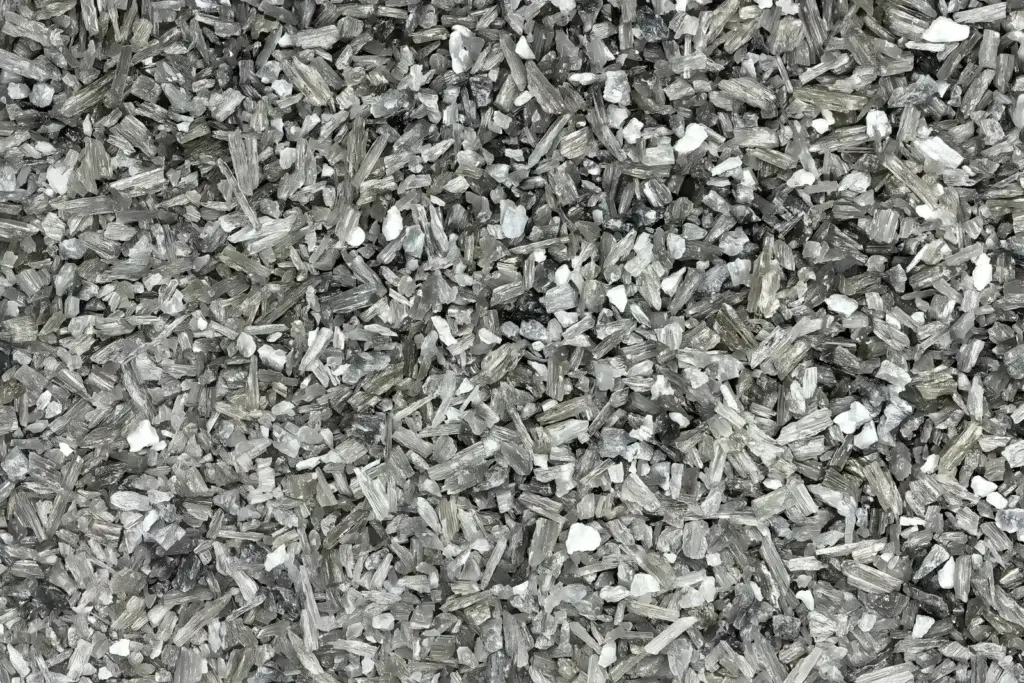
Aluminum hydroxide, chemically represented as Al(OH)₃ and also known as alumina trihydrate (ATH), is one of the most widely produced and commercially significant inorganic chemicals in the world. Derived primarily from bauxite ore through the Bayer process, this white, odorless, and non-toxic powder has established itself as an indispensable raw material across industries ranging from construction and electronics to pharmaceuticals and water treatment, and a topic thoroughly examined in authoritative ATH property and application overviews. With global production capacity exceeding millions of metric tons annually and a market valued at over USD 12 billion in 2024, according to industry market research, understanding the full capability profile of aluminum hydroxide is essential for procurement managers, product development engineers, and industry strategists alike.
Aluminum hydroxide (ATH) is a versatile inorganic compound that serves primarily as a halogen-free flame retardant, functional filler, chemical intermediate, and pharmaceutical ingredient. It occupies a critical position in the industrial supply chain as the direct precursor to alumina production and as a non-toxic, cost-effective additive that enhances fire safety, material performance, and product quality across diverse end-use sectors including plastics, construction, electronics, automotive, and healthcare.
The growing global emphasis on fire safety regulations, environmental sustainability, and the phase-out of halogenated flame retardants has positioned ATH as a material of strategic importance. Its unique combination of thermal decomposition behavior, chemical inertness, and environmental compatibility makes it difficult to substitute in many applications. The following sections provide a comprehensive examination of its properties, production methods, industrial applications, and the market forces shaping its global demand trajectory.
Chemical and Physical Properties of Aluminum Hydroxide
Aluminum hydroxide is an amphoteric inorganic compound with the formula Al(OH)₃, characterized by its thermal instability above 180°C where it undergoes endothermic decomposition to form alumina and water vapor. This decomposition behavior is the foundational property that enables its use as an effective flame retardant and smoke suppressant in polymer-based materials, as detailed in comprehensive guides to ATH flame retardancy mechanisms.
ATH crystallizes in three distinct polymorphic forms: gibbsite (alpha-Al(OH)₃), bayerite, and nordstrandite, with gibbsite being the most common commercial form. The compound has a molecular weight of 78.00 g/mol and appears as a fine white powder or crystalline solid with a density of approximately 2.4 g/cm³. It is practically insoluble in water, with a solubility of only about 1.5 mg/L at 20°C, and is similarly insoluble in most organic solvents. However, its amphoteric nature allows it to dissolve readily in both strong acids (forming aluminum salts) and strong bases (forming aluminates), a characteristic that underpins its use as a chemical intermediate.
The thermal behavior of ATH is its most industrially relevant property. When heated to temperatures between 180°C and 300°C, it undergoes an endothermic dehydration reaction: 2Al(OH)₃ → Al₂O₃ + 3H₂O. This reaction absorbs approximately 1,967 J/g of heat energy and releases water vapor as the sole decomposition byproduct. The absence of toxic or corrosive gases during decomposition gives ATH a significant environmental advantage over halogenated flame retardant alternatives. The coefficient of thermal expansion of ATH is approximately 15 x 10⁻⁶ K⁻¹ in the 20-300°C range, contributing to dimensional stability in composite materials. Its Mohs hardness of 2.5-3.0 and low abrasiveness make it suitable for high-loading formulations without excessive wear on processing equipment.
Manufacturing Process: From Bauxite to High-Purity ATH
The Bayer process is the dominant industrial method for producing aluminum hydroxide, accounting for over 90% of global ATH output; it involves digesting bauxite ore in caustic soda followed by precipitation of Al(OH)₃ from the supersaturated sodium aluminate solution. The process begins with the mining of bauxite ore, which contains 40-60% alumina (Al₂O₃) as hydrated minerals mixed with iron oxides, silica, and titania as impurities.
In the Bayer process, crushed bauxite is digested in hot sodium hydroxide (NaOH) solution at temperatures between 140°C and 270°C under pressure. This step selectively dissolves the alumina content as sodium aluminate (NaAlO₂) while leaving most impurities behind as insoluble residue — the well-known red mud. After clarification and filtration to remove solid residues, the clarified sodium aluminate solution is cooled and seeded with fine aluminum hydroxide crystals to initiate precipitation. The precipitation stage, which typically takes 30-70 hours, is carefully controlled to yield ATH crystals with specific particle size distributions and purity characteristics. The precipitated ATH is then washed, filtered, and dried to produce the final product.
For applications demanding higher purity, additional refining steps such as recrystallization, acid washing, or controlled calcination are employed. The sintering process, used primarily for low-grade bauxites unsuitable for the Bayer process, offers an alternative production route, though it is more energy-intensive. Global bauxite reserves are estimated at 55-75 billion tons, concentrated in Africa (32%), Oceania (23%), and South America (21%), ensuring long-term raw material availability. Key producing nations include Australia, Guinea, and China, which together accounted for approximately 72% of the 400 million tons of bauxite mined globally in 2023, as reported by global bauxite production and supply chain analyses.
Flame Retardant Applications: The Dominant Market Driver
Aluminum hydroxide is the world’s most widely used inorganic flame retardant, accounting for over 50% of total global flame retardant consumption and approximately 85% of inorganic flame retardant production; its primary mechanism involves endothermic cooling, gas-phase dilution, and char barrier formation. These three synergistic modes of action make ATH particularly effective in suppressing ignition, slowing flame propagation, and reducing smoke generation in polymer materials.
The flame retardancy mechanism is activated when the host material reaches temperatures above 180°C. First, the endothermic decomposition of ATH absorbs heat from the combustion zone, effectively cooling the polymer substrate and delaying the onset of thermal degradation. Second, the released water vapor dilutes the concentration of flammable gases in the combustion zone, reducing the likelihood of sustained ignition. Third, the residual alumina (Al₂O₃) layer that remains after dehydration forms a ceramic-like protective barrier on the material surface, shielding the underlying polymer from oxygen and radiant heat while also adsorbing smoke particles. This mechanism generates no corrosive or toxic byproducts, making ATH a preferred choice for low smoke zero halogen (LSZH) cable formulations and building materials where fire safety and human health are paramount.
ATH is extensively incorporated into wire and cable insulation based on ethylene-vinyl acetate (EVA) and polyethylene, thermosetting resins such as unsaturated polyesters and epoxies, rubber products including conveyor belts and automotive components, and building materials ranging from roofing membranes to wall panels. High loading levels, typically 40-65% by weight, are required to achieve effective flame retardancy, and this has driven continuous innovation in surface treatment technologies to improve polymer compatibility and maintain mechanical properties. Nano-sized ATH particles (10-50 nm) produced via hydrothermal synthesis or ultra-gravity precipitation offer improved dispersion and flame retardant efficiency at lower loading levels. The synergism between ATH and phosphorus-based flame retardants in epoxy and acrylic systems has also gained attention, with the combined approach achieving limiting oxygen index (LOI) improvements of up to 35%.
Aluminum Hydroxide as a Functional Filler in Industrial Composites
Beyond flame retardancy, ATH serves as a high-performance functional filler that improves whiteness, opacity, dimensional stability, and surface quality in a wide range of composite materials including synthetic marble, paints and coatings, paper, and adhesives. Its combination of high brightness (Y value exceeding 94), low oil absorption, and chemical inertness makes it an ideal extender and reinforcement agent in formulations where visual appearance and material consistency are critical.
In the engineered stone and solid surface industry, ATH is used as the primary filler at loading levels of 50-70% by weight in polyester resin or polymethyl methacrylate (PMMA) matrices. The material imparts the translucent, jade-like visual quality that distinguishes high-end solid surface products, while also providing UV resistance, stain resistance, and excellent machinability. The controlled particle size distribution of ATH grades designated for solid surface applications (typically 10-50 microns D50) ensures optimal packing density and surface finish after casting and polishing. This application segment is experiencing robust growth driven by expanding construction and interior design markets, particularly in the Asia-Pacific region, as documented in market research reports covering engineering stone trends.
In the paints and coatings industry, ATH functions as a matting agent, anti-settling additive, and gloss-control pigment extender. Its low abrasiveness prevents damage to spraying equipment, while its chemical stability ensures compatibility with a wide range of resin systems including alkyds, acrylics, and polyurethanes. The paper industry incorporates ATH as a coating pigment and filler to improve brightness, opacity, smoothness, and ink receptivity, often as a partial or complete replacement for calcium carbonate in specialty paper grades. For adhesives and sealants, ATH contributes to dimensional stability, reduces shrinkage during curing, and enhances the thermal resistance of the finished bond line. The material’s ability to be surface-treated with fatty acids or silane coupling agents further expands its compatibility with hydrophobic polymer matrices, enabling higher filler loadings without sacrificing mechanical properties.
Pharmaceutical and Water Treatment Applications
In the pharmaceutical industry, aluminum hydroxide serves a dual role as an over-the-counter antacid for gastric acid neutralization and as a vaccine adjuvant that enhances immune response; in water treatment, it functions as a coagulant precursor and adsorbent for removing heavy metals and suspended solids. Both applications leverage the compound’s amphoteric nature, high surface area, and proven safety profile.
As an antacid, ATH reacts with hydrochloric acid in the stomach to form aluminum chloride and water, providing rapid relief from heartburn, indigestion, and gastric hyperacidity. The compound is typically formulated as a suspension or chewable tablet, often in combination with magnesium hydroxide to balance the constipating effect of aluminum-based antacids. Pharmaceutical-grade ATH must meet stringent purity specifications with tightly controlled levels of heavy metals, arsenic, and other trace impurities. Beyond antacid applications, ATH also serves as a phosphate binder in the management of hyperphosphatemia in chronic kidney disease patients and as a raw material in the production of aluminum-magnesium complex antacids.
ATH is the most widely used vaccine adjuvant globally, incorporated into vaccines for diphtheria, tetanus, pertussis, hepatitis B, and human papillomavirus among others. Its adjuvant activity is attributed to its ability to adsorb antigens onto its crystalline surface, facilitating sustained antigen release and enhanced uptake by antigen-presenting cells. The mechanism involves a combination of electrostatic attraction, ligand exchange, and hydrophobic interactions between the ATH surface and the antigen molecules. This application demands ATH with specific crystallinity, particle size (typically 2-10 microns), and endotoxin-free processing.
In water and wastewater treatment, aluminum hydroxide functions as a precursor to aluminum-based coagulants such as aluminum sulfate (alum) and polyaluminum chloride (PAC). These coagulants hydrolyze in water to form insoluble aluminum hydroxide flocs that trap and remove suspended solids, colloids, and dissolved organic matter through enmeshment and adsorption. The flocculation process is effective at removing turbidity, color, and a wide range of contaminants including phosphates, fluoride, and heavy metals. The high specific surface area of ATH also enables direct adsorption applications for the removal of dyes, organic pollutants, and metal ions from industrial effluents, as documented in the Journal of Water Process Engineering research on ATH-based adsorbents.
Global Market Size, Growth Forecast, and Regional Dynamics
The global aluminum hydroxide market was valued at approximately USD 12.05 billion in 2024 and is projected to reach USD 15.31 billion by 2030, growing at a compound annual growth rate (CAGR) of 4.1% from 2025 to 2030, with the flame retardant segment accounting for the largest share of demand. Market growth is being driven by increasingly stringent fire safety regulations, expanding construction and electronics sectors, and the global shift toward non-halogenated, environmentally friendly flame retardants.
The market segments by grade and end-use industry. Industrial-grade ATH dominated with a revenue of USD 7.39 billion in 2024, driven by demand from the plastics, construction, and automotive sectors. The flame retardant segment is the single largest demand driver, with the aluminum hydroxide flame retardant market alone estimated at USD 1.8-2.2 billion in 2025, growing at a CAGR of 4-6% through 2030 according to Research and Markets analysis. The ultrafine ATH niche, valued at approximately USD 2.4 billion in 2025, is growing at a faster CAGR of 10-11%, reflecting increasing demand for specialized, high-performance grades used in advanced polymer formulations, as captured in detailed ultra fine ATH market reports.
| Market Segment | 2024/2025 Value | Projected Value | CAGR | Source |
| Global Aluminum Hydroxide (All Grades) | USD 12.05B (2024) | USD 15.31B (2030) | 4.1% | Grand View Research |
| ATH Flame Retardant Segment | USD 1.8-2.2B (2025) | USD 2.3-2.8B (2030) | 4-6% | Research and Markets |
| Ultrafine ATH (1-1.5 micron) | USD 2.4B (2025) | USD 5.27B (2033) | 10.3% | Market Report Analytics |
| Ultra Fine ATH (0.5-2 micron) | USD 2.2B (2024) | USD 4.53B (2032) | 11.2% | Intel Market Research |
Asia Pacific was the largest regional market in 2024, accounting for over 35% of global revenue, with China as both the dominant producer and consumer. The region’s growth is fueled by rapid industrialization, infrastructure development, and expanding electronics and automotive manufacturing. North America held approximately 36% of the ultrafine ATH market share, driven by advanced regulatory frameworks and high demand from wire and cable and construction sectors. Europe accounted for about 26% of global ultrafine ATH demand, with German manufacturers Nabaltec and others leading innovation in eco-friendly ATH formulations for 5G infrastructure and green building materials. India is expected to register the highest CAGR from 2025 to 2030 among country-level markets. Key industry players include Huber (26.5% market share in ultrafine ATH), Nabaltec (23.3%), Chalco, Sumitomo Chemical, and several major Chinese producers.
Key Selection Criteria for Industrial ATH Grades
Selecting the appropriate ATH grade for a given application requires careful evaluation of particle size distribution, purity level, surface treatment, whiteness, and decomposition temperature profile, as these parameters directly influence processing behavior, end-product performance, and cost efficiency. Industrial ATH is available in a wide range of standardized grades optimized for different applications and processing conditions.
Particle size is among the most critical selection parameters. Coarse grades (D50 of 50-100 microns) are suitable for synthetic marble and solid surface applications where high filler loading and optical translucency are desired. Medium grades (D50 of 10-25 microns) are the most commonly used in flame retardant cable compounds and general-purpose rubber goods. Fine grades (D50 of 1-5 microns) are preferred for high-performance halogen-free flame retardant applications, coating systems, and thin-wall injection molding where surface finish and mechanical properties are important. Ultrafine grades (D50 below 1.5 microns) are increasingly demanded for demanding electronics and specialty polymer formulations, offering improved dispersion and flame retardant efficiency at potentially lower loading levels, as highlighted in technical white papers on ATH particle engineering.
| Selection Parameter | Typical Range | Application Guidance |
| Particle Size (D50) | 1 – 100 microns | Coarse (50-100) for solid surface; Medium (10-25) for cable compounds; Fine (1-5) for thin-wall molding |
| Purity (Al(OH)₃ content) | 99.0 – 99.8% | Higher purity required for pharmaceutical, electronics, and high-clarity applications |
| Whiteness (Y value) | 90 – 96+ | Higher whiteness preferred for coatings, synthetic marble, and consumer-facing products |
| Surface Treatment | Untreated or stearic acid/silane | Treated grades offer better polymer wetting and higher loading capacity |
| Moisture Content | 0.1 – 0.5% | Lower moisture critical for moisture-sensitive polymer systems and high-temperature processing |
| Decomposition Onset | 180 – 220°C | Must match or exceed the processing temperature of the host polymer |
Purity level is paramount for pharmaceutical and food-contact applications, where limits on soluble alkalis, heavy metals, and iron content are strictly regulated. For most industrial applications, an Al(OH)₃ content of 99.0-99.6% is sufficient. Surface-treated ATH grades, which are coated with fatty acids (typically stearic acid at 0.5-2.0% by weight) or silane coupling agents, offer improved dispersion in non-polar polymer matrices and enable higher filler loading levels without excessive viscosity build-up during compounding. The moisture content should be carefully matched to the requirements of the processing equipment, as residual moisture can cause void formation, surface defects, or process instability at high temperatures. Finally, the decomposition onset temperature must be verified to exceed the processing temperature of the host polymer to prevent premature decomposition during compounding or forming operations. For high-temperature engineering plastics processed above 250°C, alternative flame retardant systems or synergistic formulations may be necessary.
Conclusion
Aluminum hydroxide remains one of the most important industrial minerals of the modern era, bridging the gap between cost-effective material performance and environmental sustainability. Its unique combination of endothermic flame retardancy, chemical versatility, and non-toxic decomposition profile has made it the material of choice across the wire and cable, building materials, transportation, and consumer goods industries. The expanding regulatory push toward halogen-free, low-smoke fire safety solutions, combined with sustained growth in global construction, electronics, and automotive production, is expected to maintain strong demand for ATH through the coming decade. As particle engineering and surface modification technologies continue to advance, new application frontiers are opening in nano-enhanced polymer composites, high-performance coatings, and specialized pharmaceutical formulations, ensuring that this century-old industrial chemical remains at the forefront of materials innovation.