
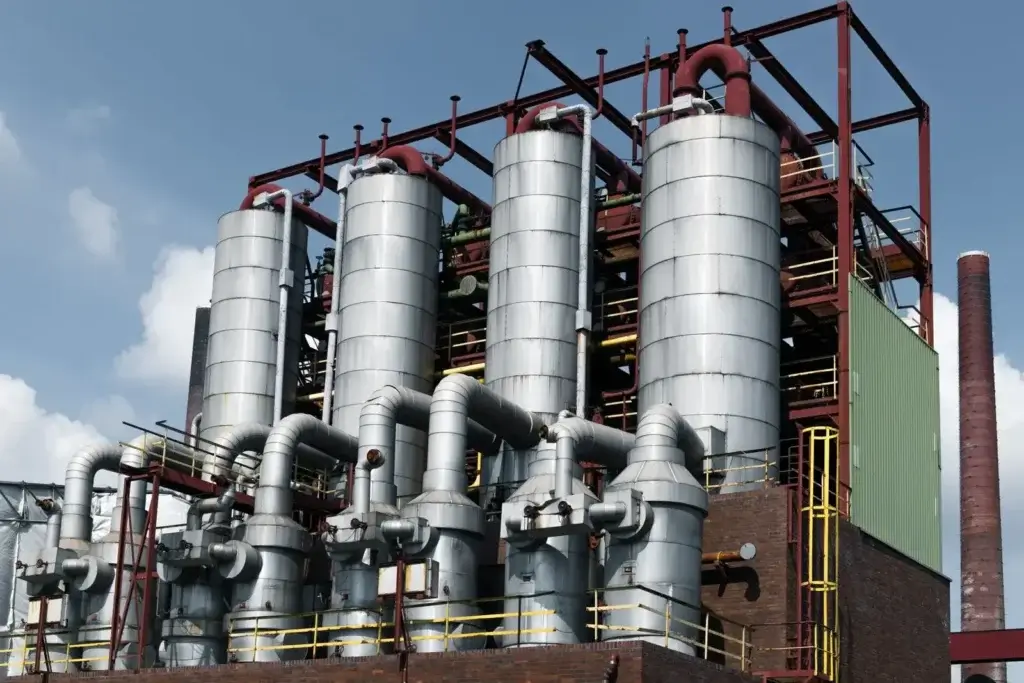
Industrial operators and water utilities face a shared headache: nitrogen pollution rarely arrives in just one form. Combustion sources push nitrogen oxides (NOx) into flue gas and ventilation air, while fertilizer runoff and septic leakage push nitrates into groundwater and wastewater streams. Emission and discharge limits keep tightening on both fronts, which forces process engineers and purchasing teams to specify media that genuinely perform. Activated carbon is one of the few adsorbents marketed for both streams, yet its real capabilities are widely misunderstood, and that misunderstanding costs buyers in wasted media, failed stack tests, and non-compliant effluent. Reputable suppliers of activated carbon products offer dozens of grades for exactly this reason, because the right answer depends on which nitrogen compound you are targeting.
A properly engineered nitro removal activated carbon system removes nitrogen oxides (NOx) from gas streams efficiently through a combination of physical adsorption, chemisorption on impregnated carbon, and catalytic reduction, while standard activated carbon does not reliably remove nitrates from water; modified grades help only partially, so they work best as a protective pre-treatment ahead of ion exchange or reverse osmosis.
The six steps below show how to match the media, the system architecture, and the operating conditions to the specific nitrogen problem you need to solve.
What Does Nitro Removal Cover? NOx vs. Nitrates
Nitro removal refers to capturing nitrogen compounds in two distinct phases: nitrogen oxide gases (NOx) in air and flue gas, and nitrate ions dissolved in water. The media, the mechanism, and the achievable results differ sharply between the two, so identifying your target before purchasing any carbon is essential.
NOx is a family of reactive gases, dominated by nitric oxide (NO) and nitrogen dioxide (NO2), that forms wherever fuel burns at high temperature: boilers, furnaces, engines, ships, and power plants. According to the US Environmental Protection Agency, NOx reacts in the atmosphere to form particulate matter, ozone, and acid rain, and breathing elevated NO2 concentrations aggravates asthma and increases susceptibility to respiratory infections. Nitrate (NO3-), by contrast, is a stable, fully oxidized ion that dissolves easily in water. It enters aquifers and surface water from fertilizers, animal waste, septic systems, and industrial discharge, and the primary health concern is methemoglobinemia, or blue baby syndrome, in infants.
| Aspect | NOx (gas phase) | Nitrate (water phase) |
| Chemical form | NO, NO2 and related oxides | NO3- dissolved ion |
| Typical sources | Combustion, engines, shipping, refining | Fertilizer runoff, septic leakage, wastewater |
| Main risks | Acid rain, haze, respiratory disease | Blue baby syndrome, ecosystem eutrophication |
| Regulatory reference | Ambient and emission standards | Drinking water MCL of 10 mg/L as N |
| Activated carbon role | Adsorbent and catalyst, effective | Limited, pre-treatment support only |
Because searchers often use “nitro” loosely for both, this guide covers the gas-phase NOx route in depth and then answers the water-phase nitrate question directly, so you can place the right media in the right service.
How Does Activated Carbon Remove Nitrogen Compounds?
Activated carbon removes nitrogen compounds through three complementary mechanisms: physical adsorption of NOx molecules within micropores, chemical reaction on impregnated surfaces, and catalytic reduction of NOx into nitrogen and water vapor. Understanding which mechanism your application relies on determines the grade you buy.
Physisorption in Micropores
Activated carbon develops an internal surface area of roughly 500 to 1,500 square meters per gram, creating millions of adsorption sites where gas molecules are held by van der Waals forces. Physisorption favors heavier, more condensable molecules, which is why NO2 is captured far more readily than NO. Low temperature strengthens the effect: as gas temperature falls, more molecules condense into pores instead of escaping. Moderate humidity can further help, because a thin water film on the carbon surface converts adsorbed NO2 into nitric acid and nitrate salts that remain trapped in the pore system, a mechanism documented in peer-reviewed research on NOx purification technologies.
Chemisorption with Impregnated Carbon
Unmodified carbon treats NOx mainly through weak physical attraction, so suppliers load active chemicals onto the carbon surface to create stronger, irreversible bonds. Alkaline impregnations such as potassium carbonate or potassium hydroxide neutralize acidic nitrogen oxides and convert them into potassium nitrate and nitrite salts fixed inside the pores. Metal oxide loadings including iron, copper, manganese, and cerium oxides accelerate the oxidation of NO into NO2, which is then captured as an acid or salt. Published studies report that nickel oxide modified carbon supported on potassium hydroxide achieved an adsorption capacity of 5.26 mg/g with 95.6 percent removal efficiency at room temperature, illustrating how far surface chemistry can push performance beyond plain carbon.
Catalytic Reduction on Carbon Surfaces
At higher temperatures, activated carbon acts as both a catalyst support and a reducing agent in selective catalytic reduction (SCR). Injected ammonia reacts with NOx on the catalytic surface to form harmless nitrogen gas and water vapor, a reaction that industrial activated coke moving beds exploit at flue gas temperatures of roughly 90 to 180 degrees Celsius. Iron-based catalysts extend low-temperature SCR capability, which matters where flue gas cannot be reheated.
| Mechanism | Main target | Typical media | Working conditions |
| Physisorption | NO2, partial NO | Unmodified granular carbon | Low temperature, moderate humidity |
| Chemisorption | NO2, SO2, acid gases | K2CO3 or KOH impregnated carbon | Ambient to 80 degrees Celsius |
| Catalytic reduction | Bulk NOx removal | Activated coke, metal impregnated carbon | 90 to 180 degrees Celsius with ammonia |
Will Activated Carbon Remove Nitrates from Water?
Standard activated carbon does not remove nitrates from water effectively. Nitrate is a small, negatively charged, highly soluble anion with almost no affinity for carbon surfaces, so conventional carbon beds achieve only negligible nitrate reduction regardless of bed depth or contact time.
The explanation is chemical rather than a matter of quality. Activated carbon excels against non-polar and weakly polar contaminants such as chlorine, VOCs, pesticides, and taste and odor compounds, which either bond to carbon surfaces or partition into pores easily. Nitrate behaves differently: it carries a strong negative charge, stays fully dissolved, and is repelled by the weakly charged carbon surface in water, so the ions simply pass through the bed. Boiling does not help either, since evaporation actually concentrates nitrate.
Modified activated carbons narrow the gap but rarely close it. Amine-functionalized carbons add positive sites that attract anions, and carbon can also serve as a support medium for denitrifying bacteria that convert nitrate into nitrogen gas under controlled anaerobic conditions. For drinking water systems, the engineering rule of thumb is that carbon plays a supporting role: it removes chlorine and organics that would otherwise damage ion exchange resins and reverse osmosis membranes, which is why engineers specify activated carbon for nitrate removal as a protective pre-treatment stage rather than as the primary barrier. The US EPA drinking water standards set the nitrate maximum contaminant level at 10 mg/L measured as nitrogen, and any system serving potable water must demonstrate compliance against that limit.
| Method | Principle | Typical nitrate reduction | Key consideration |
| Ion exchange | Resin swaps nitrate for chloride | Above 90 percent | Regenerant brine requires disposal |
| Reverse osmosis | Membrane rejects dissolved ions | 83 to 92 percent | Capital and energy intensive, reject stream |
| Biological denitrification | Bacteria convert nitrate to N2 gas | Above 90 percent | Needs warm, oxygen-free, well-controlled process |
| Modified activated carbon | Chemisorption or bacterial support | Partial, polishing duty | Performance must be validated per site |
The same logic applies to industrial effluent: plants handling high-nitrogen wastewater typically pair biological or membrane processes with activated carbon for wastewater treatment polishing, using the carbon to strip organic load and residual disinfectants rather than to remove nitrate directly.
Step 1: Identify the Pollutant Source and Treatment Goal
Every nitro removal project starts with precise stream characterization, because the gas-phase and water-phase paths demand completely different media, hardware, and budgets.
Begin with an inventory of where nitrogen compounds enter your system. On the gas side, list every combustion source: boilers, process heaters, engines, furnaces, marine engines, and ventilation air that carries NOx from loading docks, tunnels, or parking structures. On the water side, sample well water, process effluent, and receiving streams for nitrate concentration. Then define the treatment goal against the applicable regulation, since an emission limit expressed in ppm of NOx leads to a different design than a discharge limit on total nitrogen.
| Parameter to define | Why it matters | Example |
| Pollutant and phase | Decides gas system versus water system | NO2 in flue gas vs. nitrate in well water |
| Concentration | Sets media capacity and bed sizing | 150 ppm NOx, or 45 mg/L nitrate |
| Flow rate | Determines vessel size and contact time | 20,000 Nm3/h gas, or 50 m3/h water |
| Temperature | Caps media choice and mechanism | 160 degrees Celsius flue gas |
| Humidity and moisture | Affects capture chemistry and fouling | 8 percent moisture by volume |
| Co-contaminants | SO2, dust, chlorine, hardness all interfere | 200 ppm SO2 alongside NOx |
| Removal target | Defines success and monitoring plan | 80 percent NOx cut, or below 10 mg/L nitrate |
Skipping this step is the most common and most expensive error in media procurement, because a carbon that performs well in one service can fail immediately in another.
Step 2: Select the Right Activated Carbon Type
Select carbon by matching physical form, base material, and impregnation chemistry to the pollutant phase, load, and temperature window identified in Step 1. No single grade covers every nitro removal duty.
Physical form controls hydraulics first. Granular activated carbon suits packed beds for both gas and liquid service and offers the best economy at scale. Extruded activated carbon, produced as uniform pellets, provides low pressure drop and high mechanical strength, which is why flue gas moving beds and large fixed beds favor pelletized coal-based grades. Powdered activated carbon is dosed directly into ducts or basins for single-pass service, and honeycomb blocks minimize pressure drop in ventilation streams. Base material then tunes the pore structure: microporous coconut shell activated carbon concentrates its surface in the small pores that capture gas molecules efficiently, while coal-based grades offer a balanced pore distribution for mixed duties.
| Form | Best application | Principal advantage |
| Granular | Fixed beds, gas and liquid | Versatile and economical at scale |
| Extruded pellet | Flue gas beds, large columns | Low pressure drop, high strength |
| Powdered | Duct injection, batch dosing | Flexible dosing, single-pass use |
| Honeycomb | Ventilation and indoor air | Very low airflow resistance |
| Impregnated | Acid gases, NOx chemisorption | Added reactive chemistry |
Impregnated activated carbon is the workhorse for chemisorption service: alkaline loadings such as potassium carbonate and potassium hydroxide neutralize acidic NOx and sulfur gases, amine-treated grades add anion capture for water polishing, and metal salt loadings support catalytic duty. For procurement, typical gas-phase benchmarks include an iodine value of 900 mg/g or higher, carbon tetrachloride activity above 60 percent, hardness above 95 percent, ash below 5 percent, and moisture below 5 percent, though catalytic flue gas grades are specified differently, prioritizing mechanical strength and surface reactivity over raw iodine number.
Step 3: Design and Set Up the Removal System
System architecture should follow from flow scale, pollutant load, and continuity requirements, and three proven configurations cover almost every nitro removal application.
Fixed-Bed Adsorbers
Fixed beds hold carbon in place while the stream passes through, and they remain the default choice for continuous industrial service. Vertical vessels with downflow distribution suit water treatment because downflow prevents fluidization, while horizontal gas beds with plenum distribution keep pressure drop low across wide ducts. Size the bed on contact time rather than on flow alone: gas adsorbers typically target under two seconds of superficial contact for polishing duties, while liquid beds use an empty bed contact time of five to twenty minutes depending on concentration and required removal. Granular activated carbon fills these vessels in layers supported on graded gravel or internal screens, and dual beds in series allow staggered change-outs without interrupting production.
Flow-Through and Panel Filters
For ventilation air, machine rooms, laboratories, and small ducts, shallow panel filters or replaceable canisters charged with carbon provide continuous polishing at low cost. The design trade-off is simple: thin media beds keep resistance low but saturate quickly, so capacity is bought by increasing face area rather than depth. These systems suit NO2 and odor control in HVAC streams where loads are moderate and change-outs are scheduled by calendar rather than by instrumentation.
Moving-Bed and Powder Injection for Flue Gas
High-load flue gas demands continuous regeneration. In an activated coke moving bed, gas flows countercurrent to slowly descending carbon at 90 to 140 degrees Celsius, with a first bed removing sulfur dioxide and dust and a second bed performing denitrification after ammonia injection. Powder injection offers a lighter alternative: powdered carbon is blown into the duct upstream of a baghouse, capturing NO2 and co-pollutants in a single pass, and the spent powder leaves with the fly ash. Both configurations integrate with existing SCR systems as polishing stages that strip residual NOx and slip ammonia ahead of the stack.
| Design parameter | Gas streams | Water streams |
| Contact time | 0.5 to 2 seconds (polishing) | EBCT 5 to 20 minutes |
| Temperature window | 90 to 180 degrees for catalytic beds | Ambient |
| Pretreatment | Dust removal, gas cooling | Turbidity and iron control |
| Pressure guidance | Low, to protect fan capacity | Monitor for fouling and channeling |
Step 4: Optimize Operating Conditions
Temperature, humidity, and flow rate decide whether a correctly selected carbon performs to specification, and most field underperformance traces back to these three variables rather than to media quality.
Temperature sets the mechanism. Physisorption capacity falls steadily as temperature rises, so adsorptive duty favors cool, dense gas, while catalytic duty needs the 90 to 180 degree window in which ammonia-based reduction proceeds efficiently without carbon degradation. Humidity has a helpful middle range: a thin moisture film converts captured NO2 into stable acids and salts, but saturated gas floods the pore network and blocks access. Flow rate completes the triad, because excessive velocity shortens contact time and drives breakthrough, while excessively low velocity wastes vessel volume.
| Variable | Effect on performance | Practical setting |
| Temperature | Higher heat weakens physisorption | Cool for adsorption, 90 to 180 degrees for SCR |
| Humidity | Moderate moisture aids NO2 capture | Target moderate relative humidity, avoid saturation |
| Flow rate | High velocity causes early breakthrough | Match design contact time, avoid channeling |
Surface modification pushes performance further. Laboratory work on iron-catalyzed activated carbon shows how strongly conditions matter: fast SCR reactions reached roughly 69 to 71 percent NOx conversion at 50 to 100 degrees Celsius, while slow SCR under the same temperatures managed only about 10 to 12 percent, and standard SCR fell to 16 percent at 50 degrees before recovering at higher temperature. The lesson for buyers is to specify modification chemistry matched to their actual operating temperature rather than to accept generic claims.
| Reaction type | 10 degrees Celsius | 50 degrees Celsius | 100 degrees Celsius |
| Slow SCR | 9.1 percent | 10 percent | 12 percent |
| Standard SCR | 34.6 percent | 16 percent | 31.6 percent |
| Fast SCR | 53 percent | 69.2 percent | 70.8 percent |
Step 5: Monitor, Replace, and Regenerate
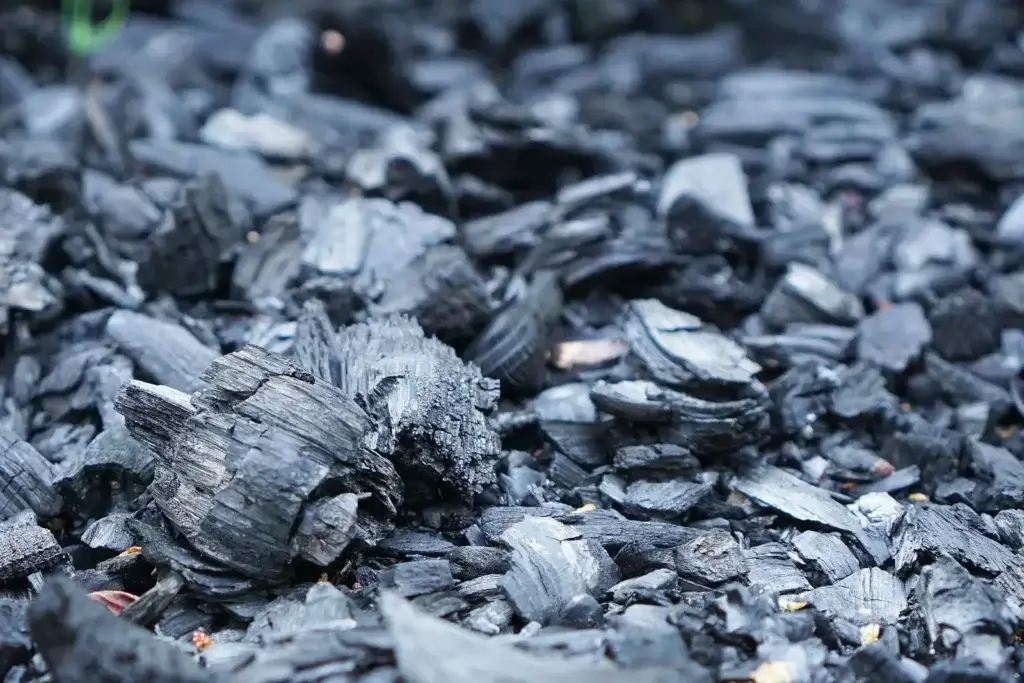
Adsorption capacity is finite, so scheduled monitoring and planned change-outs, rather than waiting for complaints or exceedances, are what keep a nitro removal system inside permit limits.
Institute inlet and outlet monitoring from day one. A handheld NOx analyzer or fixed sensors at the bed boundary reveal the removal trend long before the stack test does, and a simple weekly log exposes saturation while there is still time to order replacement media. Field experience with typical gas-phase duty shows removal efficiency declining by roughly six to eight percent per month as pores fill, so a bed that starts near 85 percent efficiency can fall below 70 percent within a quarter. The illustrative trend below shows the pattern to watch for.
| Week | Inlet NOx (ppm) | Outlet NOx (ppm) | Removal efficiency |
| 1 | 0.12 | 0.02 | 83 percent |
| 2 | 0.13 | 0.03 | 77 percent |
| 3 | 0.14 | 0.04 | 71 percent |
Plan change-outs when the outlet trend approaches the internal action level, not when it crosses the legal limit. In continuous flue gas service, activated coke systems regenerate continuously: spent carbon is lifted to a regeneration tower where heating to roughly 400 to 500 degrees Celsius decomposes captured pollutants, and the media returns to the bed with only small losses per cycle. Granular beds in water or air service are usually swapped out and the spent carbon sent for off-site reactivation, which restores most adsorption capacity at a fraction of the cost of new media. One carbon bed rarely serves nitrogen alone, and the same media simultaneously captures sulfur dioxide, which is why combined sulfur dioxide removal and mercury capture are routinely quoted together with denitrification in one compliance package.
When readings drift, work through a standard checklist: rising pressure drop points to dust blinding and calls for backwashing or prefilter attention; early outlet breakthrough with fresh carbon suggests SO2 competition, excessive humidity, or overheating; and erratic readings often indicate channeling, which requires re-leveling or re-beding the media rather than more carbon.
Common Mistakes to Avoid
Most nitro removal systems underperform for avoidable procedural reasons, not because the media was inherently incapable.
- Using standard, unmodified carbon as the sole nitrate barrier in potable or process water and discovering the ions pass straight through.
- Ignoring sulfur dioxide competition, which poisons adsorption sites and accelerates breakthrough on NOx beds.
- Running hot gas into adsorptive carbon without cooling, then blaming the media for low capacity.
- Sizing beds on flow rate alone while ignoring the contact time the concentration actually requires.
- Skipping dust and aerosol pretreatment, which blinds beds within weeks in flue gas service.
- Leaving carbon in service past its trend-based change-out date because the system still “looks fine”.
- Quoting a system without sampling co-contaminants, then facing change orders when chloride, hardness, or particulates interfere.
Frequently Asked Questions
The answers below address practical questions that extend beyond the main guide, covering mixed pollutants, hybrid process trains, and media quantities.
Does activated carbon remove ammonia as well as NOx?
Plain activated carbon captures little ammonia, because the molecule is light and basic and does not condense strongly into carbon pores. Acid-impregnated grades fix ammonia as ammonium salts and are the correct choice where odor or slip control is the goal. In SCR trains, the carbon instead serves as the catalyst surface on which ammonia reduces NOx, and a downstream carbon bed is often installed to polish any unreacted ammonia slip before discharge.
Can activated carbon be combined with SCR or ion exchange systems?
Yes, and the sequencing matters in both phases. Installed upstream or downstream of SCR, a carbon bed polishes residual NOx and slip ammonia that the catalytic reactor misses at partial load. In water treatment, carbon placed ahead of ion exchange resin or reverse osmosis membranes removes chlorine and organics that would otherwise oxidize or foul those components, which typically extends resin and membrane life substantially and lowers total treatment cost.
How much activated carbon is needed per air volume or water flow?
Media quantity depends on concentration, required removal, contact time, and the working capacity of the specific grade, so there is no universal ratio. Gas systems are sized from laboratory isotherms or pilot tests against the target pollutant, while liquid systems start from empty bed contact times of roughly five to twenty minutes. The reliable path is to submit measured stream data to the supplier and have the bed sized from validated capacity figures rather than generic tables.