
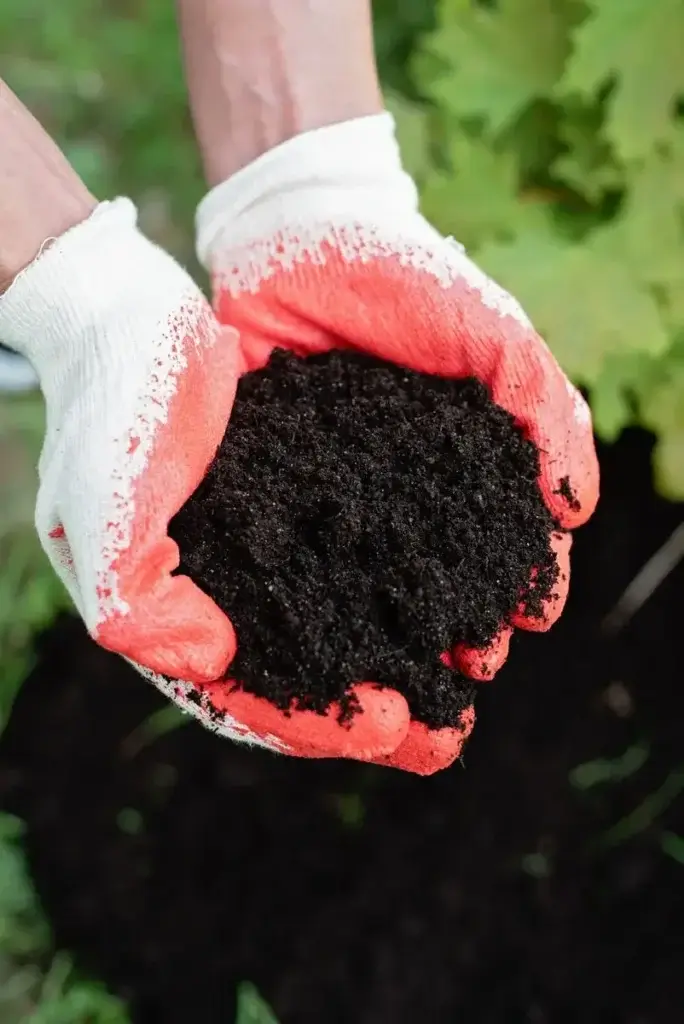
Modern growing operations face a quiet crisis below ground. Years of intensive cropping, preventive pesticide programs, heavy irrigation, and industrial legacy activity have left many farms, orchards, nurseries, and turf facilities with compacted profiles, nutrients that wash away faster than roots can capture them, and lingering residues of organic chemicals that suppress seedlings and beneficial soil life. At the same time, buyers, agronomists, and land managers are under growing pressure to reduce nutrient runoff and contaminant mobility, which pushes the market toward functional mineral materials rather than another round of quick chemical fixes.
Activated carbon for soil amendment is a highly porous carbon material that you incorporate into soil to adsorb organic contaminants, hold water and nutrients against leaching, and give beneficial microbes a stable habitat. In practice, you test the soil first, choose granular activated carbon for broadcast-and-till improvement or powdered carbon for targeted treatment, apply roughly 1 to 3 percent of soil weight and till it into the top 15 to 30 cm, and blend it with compost to prevent nitrogen tie-up.
The sections below explain how the material actually behaves in the root zone, how to select the right grade and feedstock, which application rates and methods fit different cropping systems, and how to use it safely for residue and spill management.
What Is Activated Carbon for Soil Amendment?
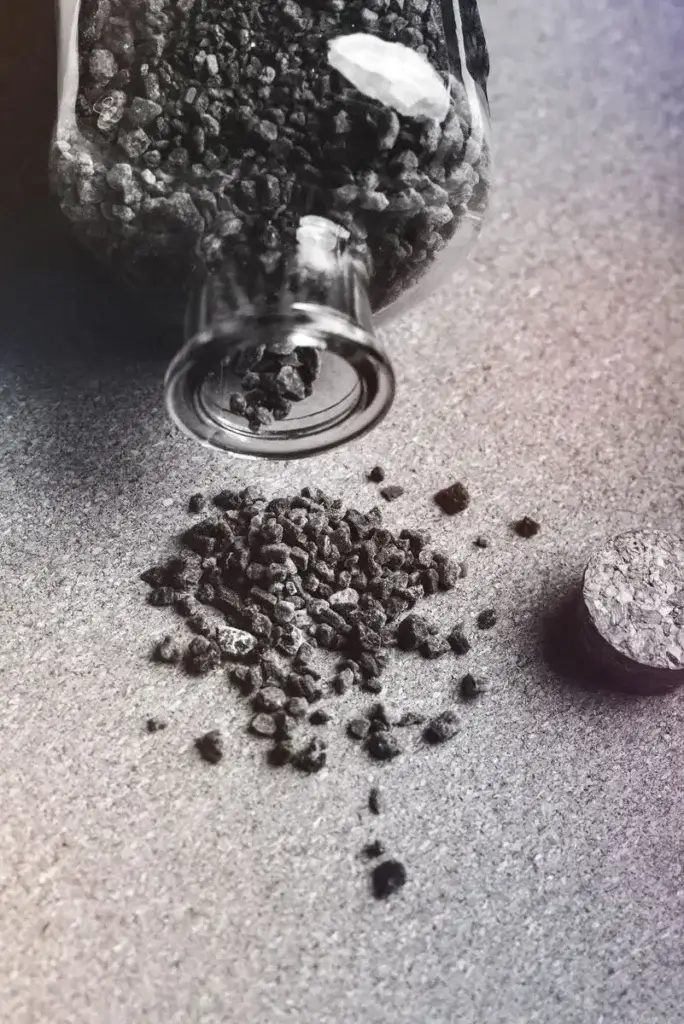
Activated carbon, sometimes called activated charcoal, is a carbon-rich material that is first carbonized and then activated with steam or chemicals to develop a vast internal pore network, and when mixed into soil it works as an adsorptive, water-holding, biology-friendly amendment rather than a fertilizer.
Production starts with carbonaceous feedstocks such as coconut shells, nut shells, wood, bamboo, or coal. The raw material is carbonized at high temperature in a low-oxygen environment, then activated, either physically with steam at roughly 800 to 1,000 degrees Celsius or chemically with agents such as phosphoric acid. Activation etches millions of interconnected pores into every particle. The finished product commonly exposes 500 to 1,500 square meters of internal surface area per gram, which means a single handful presents an adsorption surface comparable to several tennis courts.
Among industrial carbon materials, activated carbon is best known for purifying water and air, yet exactly the same adsorption physics makes it valuable in the ground. Soil pore water carries dissolved organic molecules; when that water contacts carbon particles, the molecules diffuse into the pores and stick to the pore walls, where they remain immobilized for years instead of moving toward groundwater or plant roots.
Activated Carbon vs. Biochar vs. Ordinary Charcoal
Carbon materials are frequently confused with one another, and choosing the wrong one wastes budget and season time. The table below summarizes the practical differences.
| Feature | Activated Carbon | Biochar | Ordinary Charcoal (Grill Briquettes) |
| Production | Carbonization plus steam or chemical activation | Pyrolysis of biomass at 350 to 700 degrees Celsius | Incomplete burning, often with binders and additives |
| Porosity | Very high; 500 to 1,500 square meters per gram | Moderate; biologically scaled pores | Low and unpredictable |
| Primary soil role | Adsorbs contaminants; holds water and nutrients | Improves structure, fertility, and carbon storage | None |
| Typical soil use | Amendment plus remediation of contaminated profiles | Long-term soil conditioning and carbon sequestration | Not suitable for soil |
| Cost level | Higher, engineered product | Low to moderate | Low |
Grill charcoal deserves a specific warning. Briquettes contain binders, fillers, and combustion residues that add nothing useful to soil, and their unactivated pores adsorb poorly. No amount of grinding turns barbecue charcoal into activated carbon, so the two should never be substituted for each other.
How Does Activated Carbon Work in Soil?
Once incorporated, activated carbon works through three complementary mechanisms: it adsorbs organic contaminants onto pore surfaces, it holds water and dissolved nutrients against leaching, and its porous architecture shelters the microbes that drive nutrient cycling.
Adsorption and Contaminant Immobilization
Adsorption is a surface process, not a chemical digestion. Organic molecules such as pesticide residues, polycyclic aromatic hydrocarbons, petroleum hydrocarbons, and volatile organic compounds migrate through soil water and attach to the carbon surface through physical forces and pore trapping. Once adsorbed, these compounds lose mobility and bioavailability, which protects groundwater, drainage lines, and the organisms that live in and around the treated profile.
The capacity involved is remarkable. Extension specialists at Clemson University document that activated charcoal can adsorb 100 to 200 times its own weight in many organic chemicals, which is why turf and nursery managers have relied on it for decades as the standard material for deactivating pesticide residues in soil (Clemson Cooperative Extension).
Water Retention, Nutrient Holding, and Microbial Habitat
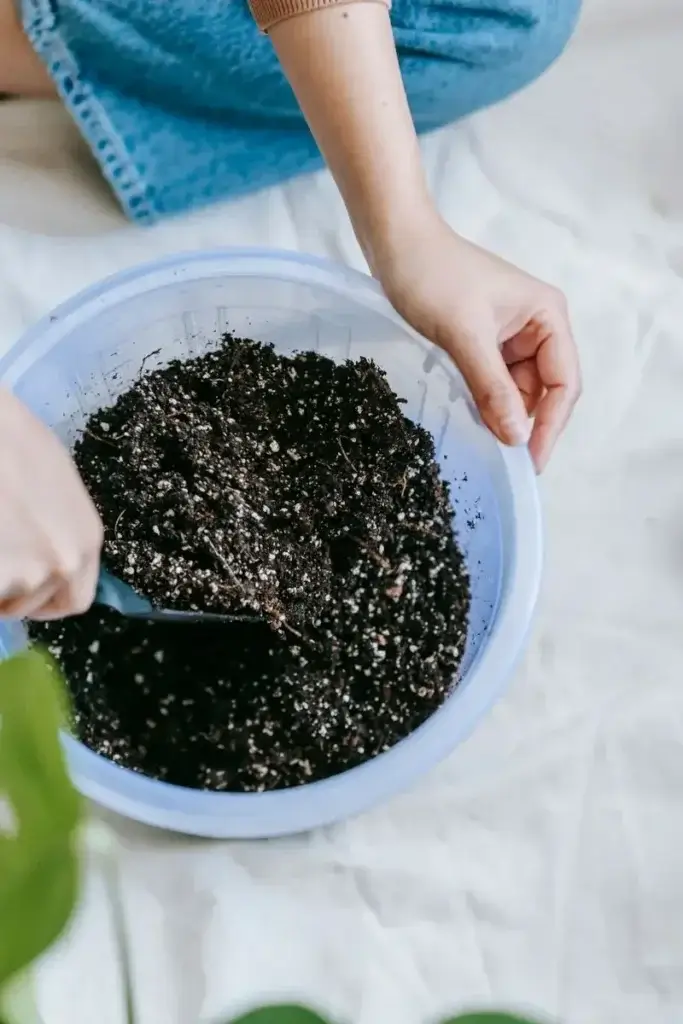
The same pore network also manages water and nutrients. Oxidized pore surfaces carry negative charges that hold cations such as calcium, magnesium, potassium, and ammonium through cation exchange, releasing them gradually to roots instead of letting rain carry them past the root zone. Field observations summarized by growers and researchers report water retention gains of roughly 18 to 25 percent and nitrogen leaching reductions of 30 to 40 percent after carbon incorporation. Trials that applied 2 percent activated carbon to clay soils measured large increases in available phosphorus, potassium, zinc, boron, and iron compared with untreated checks.
Functioning as a porous soil additive, the carbon also doubles as real estate for soil biology. Bacteria, fungi, and mycorrhizal hyphae colonize protected pore spaces where they escape drying cycles and grazing pressure. Better microbial habitat means faster decomposition of crop residues, smoother nutrient mineralization, and measurably higher soil biological activity, with some field programs reporting gains of up to 50 percent.
Key Benefits of Using Activated Carbon for Soil Amendment
The main benefits are contaminant immobilization, groundwater protection, improved water retention, reduced nutrient leaching, stronger microbial activity, and multi-decade persistence in the soil profile.
- Contaminant immobilization. Binds pesticide residues, herbicide carryover, polycyclic aromatic hydrocarbons, and petroleum hydrocarbons, lowering their biological activity in the root zone.
- Groundwater protection. Reduced mobility of organic pollutants means fewer compounds migrating toward water tables, wells, and drainage ditches.
- Drought resilience. Higher water-holding capacity supports crops through dry spells and reduces irrigation frequency and cost.
- Fertilizer efficiency. Less nitrogen and potassium leaching keeps applied nutrients in the root zone longer, improving uptake per unit of fertilizer spend.
- Improved nutrient availability. Documented increases in available phosphorus, potassium, zinc, boron, and iron in amended soils, particularly in clay profiles.
- Biological stimulation. Protected microbial habitat accelerates residue breakdown and supports disease-suppressive soil communities.
- Long service life. The aromatic carbon structure resists decomposition, so a single incorporation keeps working for decades rather than a single season.
Which Type of Activated Carbon Should You Use?
For most soil amendment projects, choose granular activated carbon for broadcast-and-till programs, powdered activated carbon for fast spot treatment and slurry applications, and a medium-pore wood- or coconut-based grade for root-zone and substrate work.
Granular vs. Powdered Activated Carbon
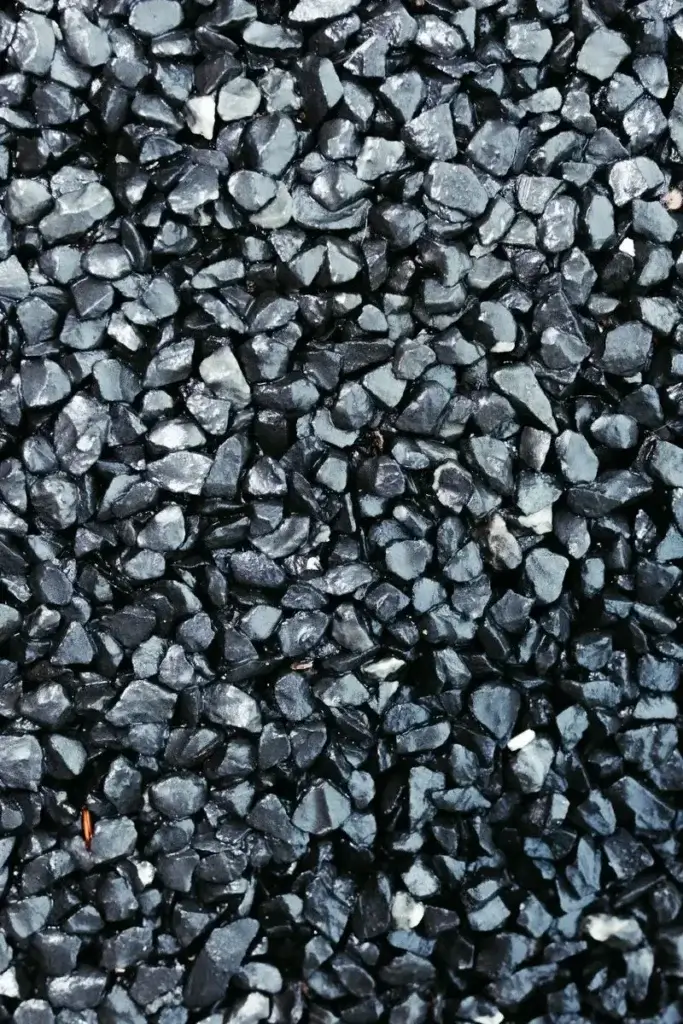
Granular activated carbon in the 8 to 30 mesh range handles well with standard spreading equipment, resists wind drift, and releases its capacity slowly, which suits multi-year incorporation programs in field crops and orchards. Powdered activated carbon offers fine particle size and fast adsorption kinetics. It is the preferred form for deactivating herbicide residues and treating spills, usually applied as a water slurry through conventional spray equipment, because dry powder drifts badly in even light wind.
Feedstock Selection: Coconut Shell, Wood, and Coal Based
Coconut shell activated carbon is hard, dense, and rich in micropores, with iodine values commonly between 500 and 800 mg/g or higher. It suits root-zone banding in orchards and high-value crops, where multi-year persistence justifies the price premium. Wood-based grades lean toward mesopores with iodine values around 300 to 600 mg/g, cost less per ton, and blend easily with compost, making them the workhorse for broadacre tillage programs. Coal-based grades provide high mechanical strength and bulk density, which helps in large-volume remediation projects where handling durability matters.
| Specification | Typical range for soil use | Why it matters |
| Iodine value | 300 to 800 mg/g | Indicates adsorption capacity; 300 to 600 is usually sufficient for agriculture |
| Particle size | 8 to 30 mesh granular; fine powder for slurries | Balances handling, adsorption speed, and persistence |
| pH | 6.5 to 8.5 | Avoids pushing alkaline soils further upward |
| Ash content | Below 10 percent | Lower ash means fewer unwanted salts entering the soil |
| Moisture | Below 5 percent | Easier spreading and accurate dosing by weight |
One caution on over-specifying: filtration-grade carbon with extreme activation is rarely worth the premium in soil, and its aggressive adsorption can immobilize agrochemicals you actually want available in solution. Medium-activation agricultural grades deliver better economics for amendment work.
How to Apply Activated Carbon to Soil: Step-by-Step
A successful application follows five steps: test the soil, match the product grade to the job, choose an application method that fits the cropping system, incorporate or water the material in properly, and pair it with organic matter to avoid nitrogen competition.
Step 1: Test Your Soil First
Before ordering material, confirm soil type, pH, organic matter content, and the cropping or contamination history of the site. Sandy soils lose nutrients quickly and need higher carbon rates paired with extra compost. Clays benefit from deep incorporation to open structure and hold nutrients. Loamy profiles usually need the least material. If herbicide carryover is suspected, run a pot bioassay before planting, which is covered later in this guide.
Broadcast and Till into the Root Zone
This is the standard method for farmland and field crops. Spread the carbon evenly at 1 to 3 percent of soil weight, roughly 1 to 3 tons per acre, then till to a depth of 15 to 30 cm so the material mixes thoroughly with the native profile. Irrigate to settle the soil, and wait three to seven days before resuming normal fertilization. An economical wood based activated carbon with an iodine value of 300 to 600 mg/g and 8 to 30 mesh is the usual choice for this method.
Banding and Root-Zone Application
Orchards, vineyards, and high-value row crops justify precision placement. Apply granular carbon directly into root-zone trenches or planting holes at 0.5 to 1 kg per tree, or blend 2 to 5 percent carbon into the root-zone soil volume. Coconut-shell grades in the 6 to 18 mesh range, with pH between 6.5 and 8.5, perform well in this duty because they persist for years around permanent root systems and tolerate wet and dry cycles without breaking down.
Top-Dressing Lawns and Established Beds
Where digging would damage existing roots, spread a thin layer of carbon over the surface and water it in thoroughly so the material settles into the topsoil. Combining the dressing with mulch or compost speeds incorporation through rain and earthworm activity. For ongoing improvement, repeat lightly every few months instead of applying one heavy dose that could temporarily interfere with nutrient supply.
Mixing with Compost to Avoid Nitrogen Tie-Up
Activated carbon carries a very high carbon-to-nitrogen ratio. Applied raw and uncharged, it can temporarily absorb ammonium and other nutrients ahead of plant roots, a problem growers describe as nitrogen competition. The standard fix is to premix the carbon with compost, manure, or a nutrient solution and let the blend cure for 7 to 14 days in a moist pile before field application. Pre-charging fills the most reactive pore sites with nutrients and microbes, so the carbon arrives in the field as a partner to the fertility program rather than a competitor for it.
Recommended Application Rates
General soil improvement calls for about 1 to 3 percent activated carbon by soil weight, roughly 1 to 3 tons per acre tilled into the root zone; container mixes use 1 to 2 percent by volume; and residue or spill treatments follow residue-based rates in the hundreds of pounds per acre.
| Application scenario | Recommended rate | Notes |
| Farmland tillage, general improvement | 1 to 3 percent by weight, about 1 to 3 tons per acre | Till into the top 15 to 30 cm |
| Sandy soil, garden scale | 1 to 2 lb per 10 sq ft | Pair with extra compost |
| Clay or loam soil, garden scale | 0.5 to 1 lb per 10 sq ft | Blend with organic matter |
| Orchard banding | 0.5 to 1 kg per tree, or 2 to 5 percent of root-zone soil | Coconut or wood granular, 6 to 18 mesh |
| Potting mix and raised beds | 1 to 2 percent by volume | Blend uniformly before planting |
| Herbicide residue deactivation | 100 to 400 lb per acre per lb of active ingredient | Extension guidance; confirm with a bioassay |
| Spill treatment | 100 lb carbon per lb of spilled material, minimum 2 lb per 150 sq ft | Incorporate to about 15 cm depth |
Treat these numbers as starting points rather than prescriptions. Actual rates should be tuned to soil test results, organic matter levels, contamination severity, and crop sensitivity. First-time users should validate economics and plant response on a test strip before committing full fields, because product, freight, and spreading costs scale quickly.
Using Activated Carbon to Manage Contaminated Soil and Pesticide Residues
Activated carbon is the standard emergency material for tying up organic pesticide residues and spill contamination, but it does not adsorb inorganic chemicals such as arsenates, lead compounds, or sodium chlorate, nor highly water-soluble organics such as MSMA and aminotriazole.
Many activated carbon for agriculture supply programs now include residue management alongside fertility support, because the same adsorption capacity that holds nutrients also neutralizes problem chemistry in the root zone.
Deactivating Herbicide and Pesticide Residues
Once a pesticide molecule is adsorbed, it becomes biologically inactive and can no longer injure turf, seedlings, or rotational crops. Documented-responsive chemistry includes trifluralin, 2,4-D, triazines such as atrazine and simazine, chloroacetamides such as S-metolachlor, EPTC, DCPA, dichlobenil, terbacil, and sulfentrazone, among others. The Pacific Northwest Pest Management Handbooks recommend applying 200 lb of activated carbon per acre for each pound of herbicide active ingredient detected in the soil, note that a 1 ppm residue reading in the top six inches corresponds to roughly 2 lb of active ingredient per acre, and stress that herbicide label rotational restrictions always take precedence over carbon treatments (Pacific Northwest Pest Management Handbooks).
Spill Response and Emergency Treatment
For accidental spills of organic pesticides, petroleum products, or hydraulic fluids, apply carbon promptly: dry powder on undiluted spills, or a slurry through spray equipment where the spilled material was already diluted with water. Adding about 0.5 percent non-ionic surfactant to the spray tank helps the carbon suspend and wet evenly. Incorporate the treated zone to about six inches, irrigate, and allow several days to pass before replanting. Use at least 100 lb of carbon for every pound of spilled active material, with a practical minimum of 2 lb per 150 square feet of contaminated area. Where the spill is severe, remove the worst-affected soil before carbon treatment rather than trying to adsorb everything in place.
Confirming Results with a Bioassay
Because carbon does not deactivate every residue, verification protects you before you commit the whole field. North Carolina State Extension describes a simple pot bioassay: grow oats, ryegrass, cucumbers, or tomatoes in suspect soil alongside clean soil for about three weeks, then compare emergence, stunting, yellowing, and root symptoms; the same publication gives the working rule of 100 lb of activated carbon per acre for every pound of herbicide active ingredient suspected in the soil (NC State Extension). Re-run the bioassay after carbon incorporation to confirm the residue is fully tied up before planting the full area.
Common Mistakes and Precautions
The most common mistakes are treating activated carbon as a fertilizer, applying raw uncharged carbon, over-applying until nutrients and pesticides are immobilized, and substituting grill charcoal for the real thing.
- Expecting fertilizer performance. Carbon supplies no N-P-K. It multiplies the efficiency of your fertilizer program rather than replacing it.
- Skipping the organic matter blend. Raw carbon competes for nitrogen. Always premix with compost or allow a settling period before planting sensitive crops.
- Over-application. Excessive rates can tie up starter fertilizer and reduce the performance of soil-applied pesticides for a season, and they can nudge alkaline soils further up the pH scale. Stick to recommended rates and monitor pH.
- Using the wrong product. Barbecue briquettes contain binders, fillers, and tarry residues that injure seedlings and add contamination instead of removing it.
- Poor timing with pesticide programs. Keep a separation window between carbon incorporation and soil-applied pesticide treatments, or the carbon will adsorb the pesticide you paid for.
- Ignoring dust and drift. Fine grades are dusty and wind-prone. Apply slurries or dampened material where practical, and wear a dust mask during handling.
- Underestimating logistics. Soil testing, freight, and spreading add cost at scale. Validate the economics on a test strip before full-field commitments.
Frequently Asked Questions
The questions below cover service life, reuse of spent carbon, and container growing, three topics that extend the application guidance above.
How Long Does Activated Carbon Last in Soil?
Decades. The aromatic carbon skeleton resists microbial and chemical decomposition, so a single incorporation keeps delivering adsorption, water holding, and habitat benefits across many growing seasons. Practical performance declines only gradually as pores fill with adsorbed molecules, which is one reason carbon-based programs are budgeted as long-term soil infrastructure rather than annual inputs.
Can I Reuse Spent Activated Carbon from Water Filters in My Garden?
Often yes, with conditions. Carbon that has only filtered potable water retains partial adsorption capacity and still contributes porosity and moisture buffering to ornamental beds. Never reuse carbon that filtered industrial or contaminated water, because adsorbed pollutants can transfer into your soil, and keep reused carbon out of vegetable beds unless you know exactly what it previously adsorbed.
Does Activated Carbon Work in Potting Mixes, Raised Beds, and Containers?
Yes. Blend 1 to 2 percent by volume uniformly into the mix before planting. In containers the carbon buffers overwatering, holds nutrients between fertilizer applications, and reduces odor, but dosing discipline matters more than in field soil because the root volume is small and starter fertilizer charges are modest. Exceeding recommended shares can tie up exactly the nutrients a young transplant needs most.