
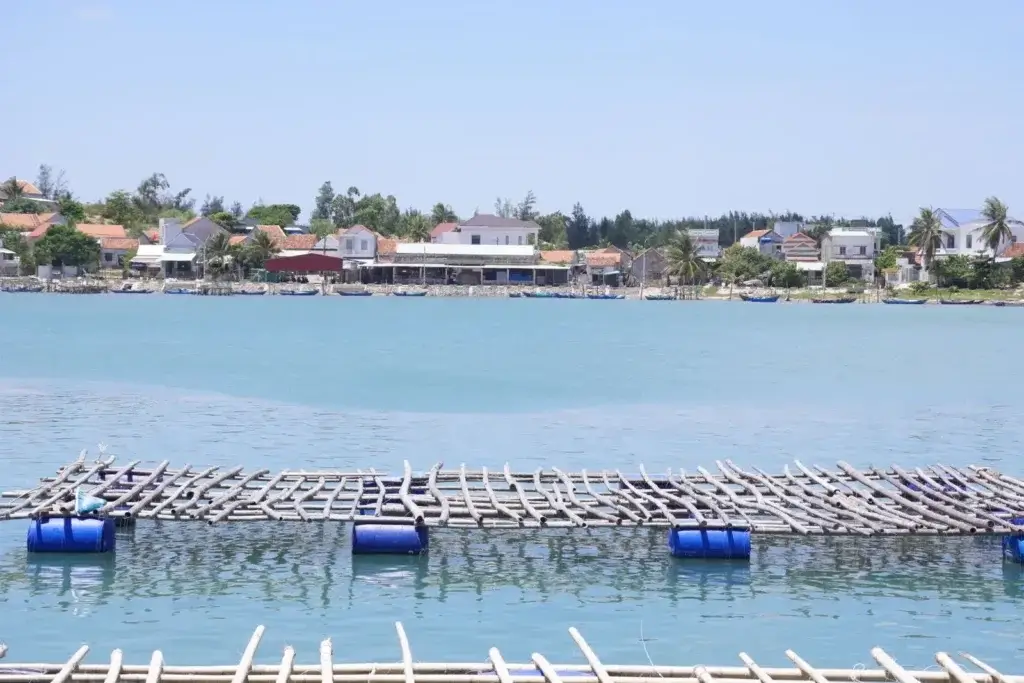
Water quality is the single most decisive factor in commercial fish and shrimp farming. Every kilogram of feed added to a pond or tank eventually becomes dissolved organic waste, and every intake of municipal or river water can introduce chlorine, pesticides and discoloration compounds. When these dissolved pollutants accumulate, stock suffers chronic stress: appetite drops, gill damage appears, disease outbreaks become more frequent, and harvested fish can carry the earthy off-flavors that ruin market value. Mechanical filtration removes particles and biological filtration converts ammonia, but neither touches the vast group of dissolved organic and chemical contaminants that cause yellow water, odors and off-flavor. This is the gap that chemical filtration with activated carbon is designed to close, and it is why aquaculture activated carbon has become a standard media in hatcheries, recirculating systems and intensive ponds worldwide.
Activated Carbon In Aquaculture is used as a chemical filtration media that adsorbs dissolved organic compounds, chlorine, tannins, phenols, odors and medication residues from pond, tank and recirculating system water. To use it correctly: select the right grade (granular carbon for continuous filtration, powdered carbon for rapid correction), rinse it before use, contain it in a mesh bag or filter vessel, position it in strong water flow after mechanical filtration, dose at roughly 1 pound per 100 gallons in ponds or 1 tablespoon per 10 gallons in tanks as a starting point, and replace it every 2 to 6 weeks before the media saturates.
The sections below explain how the adsorption process works, which contaminants carbon can and cannot remove, how to choose between product types, and how to apply, monitor and replace the media in each major culture system.
What Is Activated Carbon and Why It Matters in Aquaculture
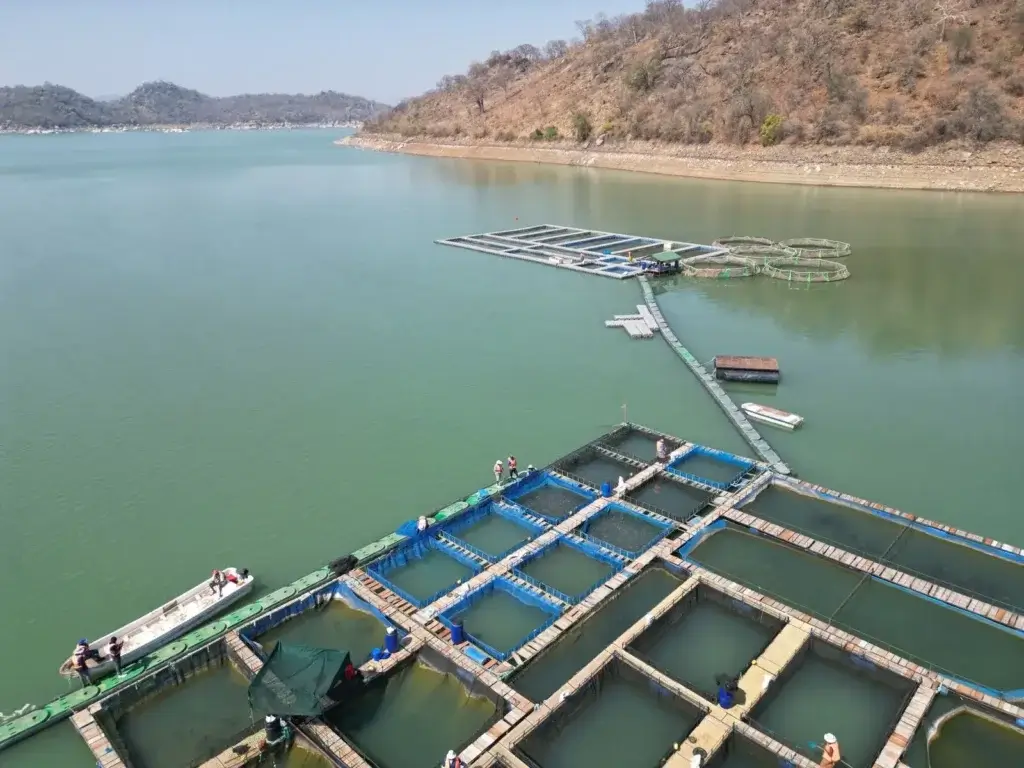
Activated carbon is a highly porous carbon material, produced from coconut shell, coal or wood, that traps dissolved contaminants on an enormous internal surface area, and it matters in aquaculture because it removes the dissolved chemicals that mechanical and biological filters leave behind.
How Adsorption Works in Aquaculture Water
Activated carbon is made by carbonizing organic raw material and then activating it with high-temperature steam or chemicals. This process opens millions of interconnected pores, giving a single gram of media an internal surface area of roughly 800 to 1,200 square meters, and premium grades can exceed 2,000 square meters. The pore network is classified into three size ranges that work together:
- Micropores (below 2 nanometers): the primary adsorption sites where most dissolved organic molecules are captured.
- Mesopores (2 to 50 nanometers): transport channels that carry molecules deeper into the particle.
- Macropores (above 50 nanometers): entry points that allow water to flow rapidly through the granule.
When water contacts the media, non-polar and weakly polar molecules, such as tannins, humic substances, phenols and many pesticide residues, are drawn to the carbon surface by van der Waals forces and become anchored inside the pores. Adsorption continues until the available surface is occupied, at which point the media is saturated and must be replaced.
The reason this matters is simple: dissolved contaminants are invisible to mechanical filters and untouched by nitrifying bacteria. The Food and Agriculture Organization (FAO) emphasizes that maintaining water quality, including dissolved oxygen above 5 ppm, stable pH and controlled organic load, is central to successful pond culture (FAO, Aquaculture Methods and Practices). Activated carbon complements aeration and biofiltration by targeting precisely the dissolved fraction that those processes cannot handle.
What Activated Carbon Removes (and What It Doesn’t)
Setting realistic expectations is the first step of correct usage. The table below summarizes what the media does well and where other tools are required.
| Effectively removed by activated carbon | Not removed (requires other methods) |
| Chlorine and chloramine from source water | Ammonia (handled by biological filtration) |
| Tannins and humic substances causing brown or yellow water | Nitrite and nitrate (biological filtration and water exchange) |
| Phenols and odor-causing compounds | Phosphate (dedicated removers or precipitation) |
| Dissolved organic compounds (DOC) from feed and metabolism | Green water algae directly (UV sterilizers, nutrient control) |
| Medication and antibiotic residues after treatment | Dissolved salts and salinity (reverse osmosis or dilution) |
| Many hydrocarbons and pesticides in intake water | Heavy metals only partially (specialized resins or media) |
One indirect benefit deserves emphasis: by stripping dissolved organics before they decompose, carbon reduces the substrate that would otherwise be converted into ammonia. It therefore lightens the load on the biofilter even though it never removes ammonia itself.
Key Benefits for Fish, Shrimp and System Performance
When used correctly, activated carbon improves water clarity, removes lethal disinfectant residues from source water, suppresses off-flavor compounds, and stabilizes the biological filter, which together translate into better survival, faster growth and higher product quality.
Water Clarity and Discoloration Control
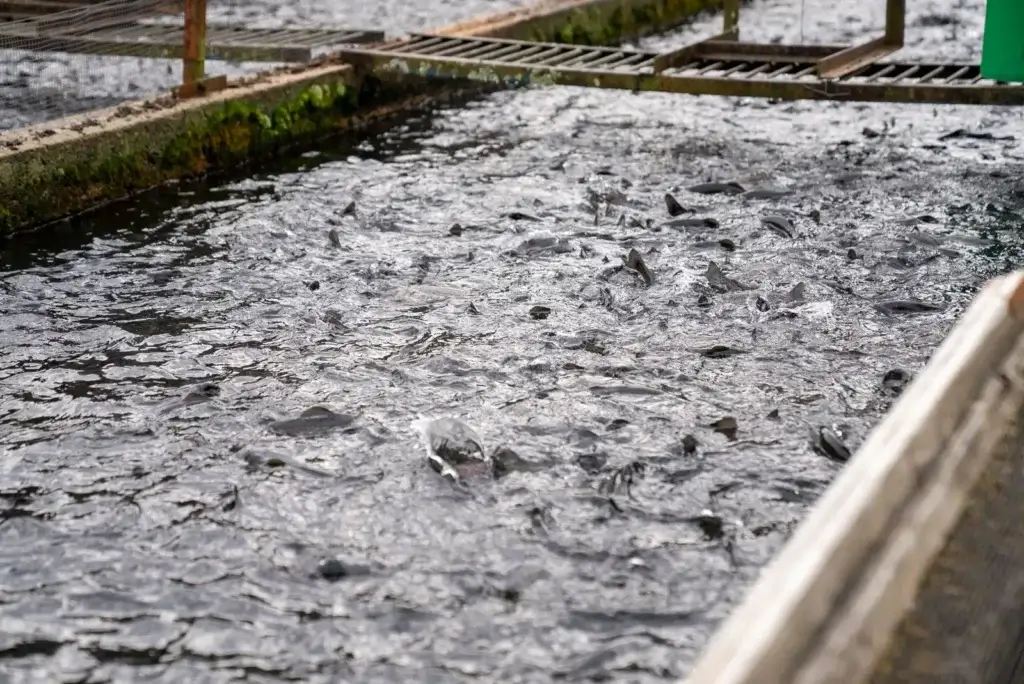
Yellow or tea-colored water is the most visible symptom of dissolved organic accumulation, caused by tannins from decaying leaves, driftwood, uneaten feed and algal by-products. Carbon adsorbs these chromophoric compounds and restores transparency within days. Clearer water is not only an aesthetic goal for ornamental fish operations; it also improves light penetration, supports better observation of stock behavior, and allows earlier detection of disease or abnormal swimming.
Dechlorination of Source Water
Hatcheries and indoor facilities that rely on municipal water face a hidden threat: chlorine and chloramine, which are highly toxic to fish gills even at low concentrations. Activated carbon neutralizes these disinfectants rapidly and reliably as the intake water passes through a carbon bed. This protective effect alone justifies continuous carbon use in quarantine systems, holding tanks and any facility filling tanks from treated municipal supplies.
Off-Flavor Control and Better Product Quality
Earthy and muddy off-flavors in fish flesh are caused by dissolved organic compounds such as geosmin and 2-methylisoborneol that accumulate in intensive systems. They do not harm the fish, but they destroy the taste of the harvest and can force expensive purging periods before sale. Running carbon as a polishing step in recirculating systems adsorbs the dissolved organics that carry these compounds and helps produce fish with a clean, neutral taste, reducing depuration time and protecting farm reputation.
Reduced Load on Biological Filters
Dissolved organics that reach the biofilter feed heterotrophic bacterial blooms that compete with nitrifying bacteria for oxygen and space. By removing DOC upstream, carbon keeps the nitrifying population stable, stabilizes pH swings caused by organic decay, and creates the consistent conditions that intensive systems depend on.
Choosing the Right Type of Activated Carbon
Granular activated carbon is the correct choice for continuous filtration in filter vessels and mesh bags, while powdered activated carbon is reserved for short-term, high-speed correction of sudden water quality problems, and the raw material grade, coconut shell, coal or wood, should match the contaminants and budget of the system.
Granular vs Powdered Activated Carbon
| Attribute | Granular Activated Carbon (GAC) | Powdered Activated Carbon (PAC) |
| Particle size | 0.5 to 4 mm granules | Fine powder, mostly under 0.1 mm |
| Best application | Continuous flow-through filtration | Emergency or batch dosing |
| Contact method | Packed in mesh bags or pressure vessels | Dosed directly, then settled or filtered out |
| Typical service life | Weeks of continuous operation | Hours to days per dose |
| Relative cost | Higher upfront, economical long-term | Lower cost per event, not for continuous use |
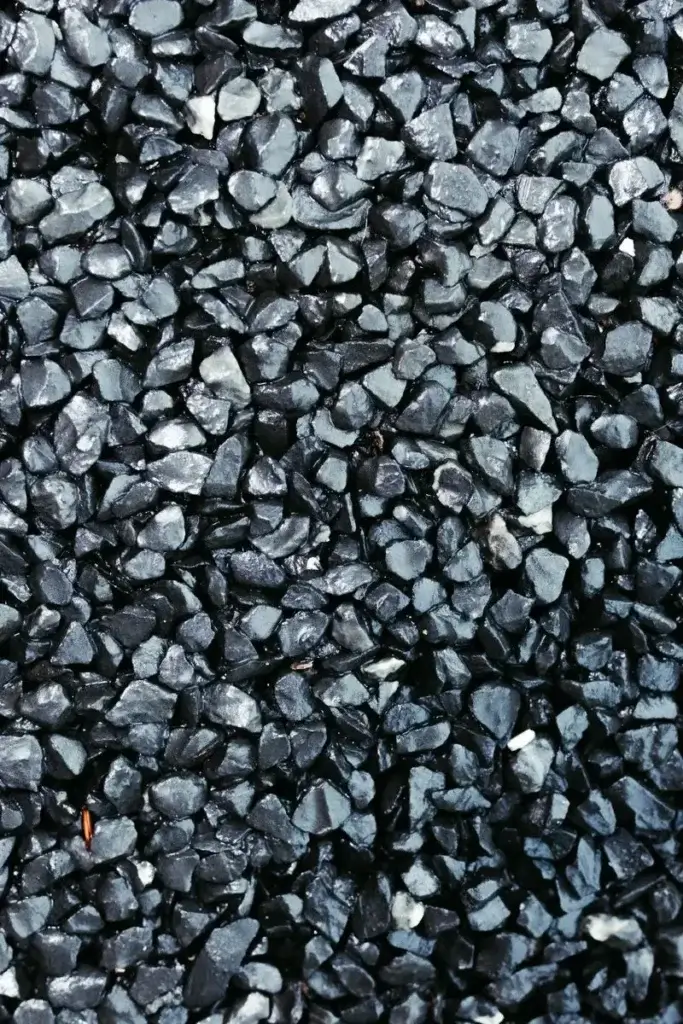
For permanent installation, granular activated carbon is the standard media for ponds, tanks and RAS polishing vessels because water can flow through the bed with low resistance for weeks. Powdered activated carbon delivers much faster adsorption due to its tiny particles and enormous exposed surface, which makes it the tool of choice when a phenol spike, algae crash or medication removal demands immediate action, after which the powder is allowed to settle or is removed by the mechanical filter. Many farms keep both on hand: GAC running continuously, PAC reserved for intervention.
Raw Material Comparison: Coconut Shell, Coal and Wood
| Attribute | Coconut Shell Carbon | Coal-Based Carbon | Wood-Based Carbon |
| Pore structure | Predominantly microporous | Mixed micro and mesoporous | Predominantly meso and macroporous |
| Hardness | Very high, low dust | High | Moderate |
| Iodine number (typical) | 1,000 to 1,200 mg/g | 900 to 1,100 mg/g | 600 to 1,000 mg/g |
| Best suited for | Hatcheries, drinking-grade intake, RAS polishing | General pond and tank filtration, broad organic capture | Decolorization of large molecules, cost-sensitive batch treatment |
| Renewability | High (renewable feedstock) | Moderate | High |
Microporous coconut shell activated carbon is the premium choice for hatcheries and sensitive larval stages because it is hard, low in dust, washes cleanly and presents no risk of leaching soluble ash. Coal-based grades offer a wider pore distribution that captures a broader spectrum of medium-sized organic molecules, which suits general pond and tank duty. Wood-based carbon, with its larger pores, is efficient at removing high-molecular-weight color bodies.
Whatever the raw material, three quality markers should be verified before purchase: an iodine number of at least 1,000 mg/g for strong micropore capacity, pre-washed and dust-free grading to protect fish gills, and a neutral pH so the media does not disturb water chemistry.
How to Apply Activated Carbon in Different Systems
The application method is the same in principle, contain the media, expose it to strong flow, and replace it on schedule, but the dose, placement and replacement interval differ significantly between ponds, tanks, recirculating systems and hatcheries.
Ponds
In earthen or lined ponds, carbon works best when it is contained rather than broadcast. Fill fine mesh bags, seal them, and place them where water movement is strongest: beside the inlet pipe, in front of aerator outflows or inside the pump chamber. Flow through the bag is what drives contact, and a bag placed in dead water does almost nothing.
Starting doses reported across commercial pond practice fall in a wide but usable range:
- Bag method: approximately 0.5 to 1 gram of carbon per litre of pond volume (about 2 to 4 pounds per 1,000 gallons) for targeted clarity and odor control.
- Broadcast method: roughly 30 to 50 grams per cubic metre when powdered carbon is spread across large commercial ponds, usually followed by settling and partial discharge.
- Always begin with the lower end, observe for 48 hours, and increase only if color or odor persists.
Replace pond carbon every 4 to 6 weeks, and sooner after heavy rainfall, algae die-offs or any chemical treatment of the pond.
Tanks and Quarantine Systems
Tanks hold less water, so dosing is simpler. Use about 1 tablespoon of granular carbon per 10 gallons of water, placed in the filter compartment or a mesh bag positioned after the mechanical media. In quarantine tanks, the routine is inverted deliberately: remove the carbon during medication so the drug stays in the water, then reinstall fresh carbon for 24 to 48 hours after treatment ends to strip every residue before new stock is introduced.
Recirculating Aquaculture Systems (RAS)
In RAS, carbon serves as a polishing stage located after mechanical and biological filtration. A side-stream vessel packed with granular carbon, dosed around 1 pound per 75 gallons of system water, continuously strips DOC, medication traces and off-flavor precursors from the recirculating flow. Monitor the pressure drop across the vessel and the color of the return water; both are practical indicators of saturation. Replacement is typically monthly, with fresh media charged into the vessel while the exhausted media is discharged for disposal.
Hatcheries and Larval Rearing
Larvae are the most sensitive life stage, and water preparation dominates outcomes. Carbon is used here in two ways: pretreating municipal or well source water to remove chlorine and trace organics before it enters the culture tanks, and running small, low-dust carbon cartridges on the recirculation loops of larval tanks. Use washed coconut shell grades in fine mesh or cartridge housings, replace every 2 to 4 weeks, and monitor trace element levels because ultra-pure water can also mean micronutrient-depleted water for shrimp larvae.
| System | Typical starting dose | Placement | Replacement interval |
| Pond | 0.5 to 1 g/L in bags, or 30 to 50 g/m³ broadcast | Mesh bags at inlet, aerator outflow, pump chamber | 4 to 6 weeks |
| Tank / quarantine | 1 tablespoon per 10 gallons | Filter compartment after mechanical media | 3 to 4 weeks |
| RAS | About 1 lb per 75 gallons of system water | Side-stream vessel after biofilter | About 4 weeks |
| Hatchery | Sized to flow rate | Source water pretreatment and larval loop cartridges | 2 to 4 weeks |
Step-by-Step Application Guide
Correct application follows six steps: calculate the dose, rinse the media, contain it, place it after mechanical filtration in strong flow, monitor the water, and replace on schedule.
- Calculate the dose. Determine actual water volume, subtracting substrate displacement in tanks, and apply the starting dose for your system type from the table above.
- Rinse thoroughly. Rinse new carbon in clean water until the runoff runs clear. Carbon dust clouds the water, irritates gills and can clog filter screens.
- Contain the media. Load granules into a fine mesh bag, media basket or filter vessel. Never add loose granular carbon directly to grow-out tanks, and never broadcast powder into a tank with fish in it.
- Position after mechanical filtration. Place the carbon where solids have already been removed and where flow is strongest. Solids that reach a carbon bed blind its surface and cut service life sharply.
- Monitor the water. Check clarity, odor and, in intensive systems, DOC or TOC indicators weekly. Good carbon produces visible improvement within a few days.
- Replace on schedule. Log installation dates, replace at the interval for your system, and always replace after any medication course in the same water body.
Where to Place It in the Filtration Train
The filtration sequence matters. Mechanical filtration should always come first so that particulates do not coat the carbon surface. In systems with a biofilter, the standard configuration runs mechanical, then biological, then carbon as a final polishing stage, because nitrifying bacteria need the organic load reduction that carbon provides downstream of them. In simple tank filters without separate biological media, placing carbon after the sponge or screen is sufficient. Whatever the layout, the carbon position must receive full water flow: half of the media receiving all of the flow outperforms all of the media receiving half of the flow.
Common Mistakes to Avoid
- Skipping the rinse and releasing carbon dust into culture water.
- Leaving carbon in place during medication, which silently adsorbs the drug and causes treatment failure.
- Treating carbon as a substitute for biofiltration or water exchange rather than a complement.
- Reusing exhausted carbon, which no longer adsorbs and can slowly release previously captured compounds.
- Overdosing to chase ammonia removal, which carbon cannot deliver, and wasting budget in the process.
Replacement Schedule and Signs of Exhaustion
Activated carbon must be replaced every 2 to 6 weeks depending on the system, because a saturated bed stops adsorbing and the protection it provided disappears without any visible warning unless water quality is monitored.
| System | Standard replacement interval | Replace sooner when |
| Pond | Every 4 to 6 weeks | After heavy rain, algae crash or pond chemical treatment |
| Tank | Every 3 to 4 weeks | Stocking density is high or feeding is heavy |
| RAS | About every 4 weeks | Return water yellows or vessel pressure drop rises |
| Hatchery | Every 2 to 4 weeks | Source water quality is poor or flow is high |
Because saturation is silent, watch for these field signals: water regains a yellow tint, musty or earthy odor returns, algae growth accelerates as dissolved organics reappear, and clarity gains achieved earlier in the cycle fade. Any two of these together mean the media is spent.
Reusing or reactivating spent carbon is not practical at farm level. Industrial regeneration requires kilns operating at 800 to 1,000 degrees Celsius, far beyond on-site equipment, and attempts to bake or boil spent media at home only damage the pore structure. The professional practice, reflected in regulatory guidance on treatment media for aquaculture and water systems, is planned change-out: replace the media on a fixed schedule and dispose of it, exactly as the EPA’s aquaculture management framework treats pollutant control as a scheduled, monitored responsibility rather than a one-time installation (US EPA, Managing Aquaculture to Protect Water Quality).
Limitations and Safety Considerations
Activated carbon is a targeted tool, not a complete water treatment system: it cannot remove ammonia or nitrite, it can strip beneficial trace elements when overused, and it must be paused during medication and used carefully with sensitive species.
What Activated Carbon Cannot Do
Carbon does not convert nitrogen compounds. Ammonia and nitrite, the two most lethal parameters in aquaculture, are handled exclusively by biological filtration, and nitrate by water exchange or plant uptake. Carbon also does not kill algae, adjust salinity or replace periodic water changes. A farm that leans on carbon while neglecting its biofilter or exchange schedule will fail regardless of media quality.
Risks of Overuse
Continuous, oversized carbon dosing can adsorb trace elements, including iodine, manganese and iron, that shrimp and larval stages need for molting and development. Fine dust from low-grade media irritates gills, and shallow or poorly distributed beds can channel, meaning water finds a single path through the vessel and most of the media never contacts the water. Match the dose to the bioload, use washed low-dust grades, and monitor livestock behavior after each change.
When to Pause or Avoid Use
Remove or bypass carbon during any therapeutic treatment so drugs remain effective, reinstalling it afterward for residue cleanup. Very low-density systems with strong water exchange may not need carbon at all. Operators keeping sensitive benthic invertebrates should introduce the media gradually and observe response. The same media that polishes culture water is widely used in broader activated carbon for water treatment applications, from intake protection to effluent polishing, so farms that master its use in tanks gain a tool that also strengthens their intake and discharge management.
FAQ
Can I run activated carbon continuously in a RAS, or only after problems appear?
Continuous low-rate polishing is standard in high-density RAS because DOC and off-flavor precursors accumulate daily and are far easier to prevent than to strip after a sensory problem appears. In low-density systems, an episodic strategy works: run carbon continuously for two to three days after medication courses, algae events or visible yellowing, and keep it offline between events to save media cost. Whichever mode you choose, base the decision on measured DOC, water color and harvest taste feedback rather than on the calendar alone.
How long does activated carbon last in storage before use?
Dry, sealed and odor-free storage keeps activated carbon effective for years, because the adsorption clock starts only when the media is wetted. Store bags tightly closed and away from fuels, solvents and fragrances: the same porosity that captures water contaminants will adsorb airborne vapors from the storage room, pre-loading the pores and reducing capacity before the media ever reaches the tank.
Can activated carbon remove pesticides from inlet water?
Many pesticides and herbicides carried in agricultural runoff are non-polar organic molecules and are adsorbed effectively by carbon, which is why GAC barriers are used to protect hatchery intakes in farming regions. Effectiveness depends on the specific compound, its concentration, the carbon grade and contact time, so carbon should be paired with settling and aeration as a first stage, and verified with periodic water testing of the treated intake rather than assumed.