Catalytic Activated Carbon
- Home /
- Activated Carbon /
- Activated Carbon Application /
- Chemical Activated Carbon /
- Catalytic Activated Carbon
Catalytic activated carbon is engineered to go beyond standard adsorption, enabling it to achieve simultaneous contaminant capture and chemical decomposition. It breaks down hydrogen sulfide, NOₓ, and chloramines on the carbon surface without the need for chemical additives, thus becoming the preferred solution for advanced water treatment and gas purification applications.
What Is Catalytic Activated Carbon?
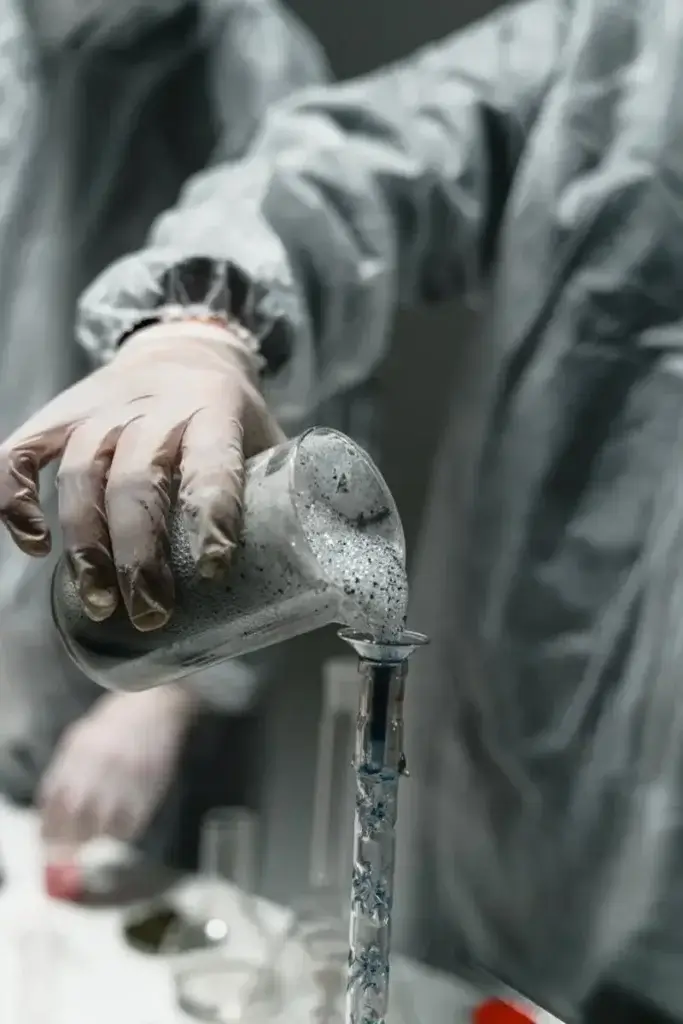
Catalyst Active Carbon is one of the most advanced types of active carbon engineered to carry out both sorption and catalytic degradation in one substance – a combination of traditional active carbon’s high-surface and porosities with improved surface chemistry, which allows for a direct chemical reaction on the carbon surface, with no additional chemical agents added.
Instead of conventional active carbon, which collects pollutants by means of physical absorption and holds them in their pores, PAC is active in decomposition of the target substance – by breaking the molecules and turning the pollutants into benign by-products on the carbon surface. This catalyst function can be obtained by means of a controlled surface oxidation, a special thermal treatment method, or by introducing catalysts in the course of production to produce a material that has a significantly greater reaction rate to oxidant, chlorine, and sulfur containing gases as compared to traditional carbon classes.
FCC active carbon has a wide range of applications in urban potable water processing, where it can break down chloramines and chlorine while not consuming the carbon structure. In addition, it is used in industrial waste water treatment, the ozone degradation system, the removal of hydrogen sulphide from biogas and process gas flow, and the use of Advanced Oxidation Process (AOP) in which the conventional active carbon does not offer sufficient contamination destroying properties.
This material is provided in the form of Granular Active Carbon (GAC), which enables it to be readily compatible with the current fixed bed filtration container and the Touch Absorbent Systems, with no need to modify the device.
This is Catalytic Activated Carbon’s Modified Key Benefits section, which has been re-formatted as a reference.
Key Advantages of Catalytic Activated Carbon
- Simultaneous Adsorption and Catalytic Decomposition in a Single Treatment Step: Catalytic activated carbon is capable of capturing and chemically decomposing target contaminants directly on its surface in a single treatment stage. This avoids the need for separate chemical dosing systems, extra reaction vessels, or additional reagent injection, and effectively achieves chloramine decomposition, ozone destruction, and hydrogen sulfide removal in both municipal and industrial treatment processes.
- Significantly Extended Service Life Compared to Standard Activated Carbon Grades: Due to the fact that it does not take up an adsorber or a degradation of the pore structure, it is possible to maintain the function of the carbon bed significantly beyond that of the traditional active carbon - to reduce the rate of substitution of the bed, to reduce the cost of carbon use, and to reduce the down time of the system in the potable water and process water treatment plant.
- Dry Catalytic Operation Without External Chemical Reagent Requirements: Catalytic activated carbon can capture target contaminants and conduct chemical decomposition directly on its surface during a single treatment process. It eliminates the requirement for independent chemical dosing systems, extra reaction vessels, and additional reagent injection, while effectively realizing chloramine decomposition, ozone destruction, and hydrogen sulfide removal in both municipal and industrial treatment processes.
- Consistent Catalytic Performance Across Variable Influent Water Chemistry: Engineered to maintain catalytic activity over a range of pH levels, temperatures, dissolved oxygen concentrations, and competitive ion loads — providing stable chloramine degradation and contamination destruction properties in the volatile inlet quality conditions typically associated with urban and commercial process water systems operating in varying feed water conditions.
- Direct Drop-In Compatibility with Existing GAC Filter Infrastructure: FCC Active Carbon can be installed directly into an existing filter container, a contact absorber, and a fixed bed system, as well as in a standard grain form and grain size, allowing it to be upgraded from a normal to a catalytic one without investing in a new device, a re-design of a system or a failure in operation.
Industry Challenges
Chloramine resistance to standard activated carbon adsorption
Accelerated carbon bed exhaustion from oxidant exposure:
Stricter drinking water disinfection byproduct regulations
Product overview
Activated Carbon
IND-GC-1240AG
Specific Use Scenarios — Catalytic Activated Carbon
Municipal Drinking Water Chloramine Removal
Point-of-Use and Point-of-Entry Water Filtration Systems
Industrial Wastewater Treatment and Advanced Oxidation Processes
Biogas and Landfill Gas Hydrogen Sulfide Removal
Food processing facilities, wastewater treatment plants, rendering operations, chemical producers, and waste management sites all release foul-smelling emissions containing hydrogen sulfide, ammonia, mercaptans, amines, and various complex organic odorants. These pollutants require proper treatment before being discharged into the atmosphere, not only to meet environmental air quality requirements but also to minimize disturbances to nearby residential areas.
Commonly used treatment systems include fixed-bed activated carbon adsorbers, packed tower scrubbers, and filter media assembled with chemically impregnated carbon. These technologies efficiently trap and remove odor-causing components from industrial exhaust gases, allowing facilities to comply with emission permit limits and maintain positive community relations while ensuring continuous, compliant operations.
Ozone Decomposition in Water and Air Treatment Systems
Industrial Process Gas Purification and Odor Control
Our Catalytic Activated Carbon Advantages
Catalytic Decomposition Beyond Standard Adsorption
Compared to traditional active carbon which only absorbs pollutants, FCC active carbon chemically destroys chloramines, ozone, and sulfides on the carbon surface — providing deeper purification performance with no additional chemical dosage or supplementary processing phases.
Extended Service Life That Reduces Replacement Costs
Catalyst degradation can turn oxidizing agents into benign by-products with no loss of absorption capability or degradation of pore structure – enabling a carbon bed to remain at its peak for much longer than a standard class, decreasing the substitution rate and reducing overall processing operation costs.
Drop-In Compatibility with Existing GAC Filter Systems
Provided in a standardized particle format compatible with the usual GAC requirements, FCC Active Carbon is installed straight into an existing filter container and a touch absorber – providing significant improvements in performance with no need to invest in the new facility or to disrupt operations in the course of the conversion.
Find All Activated Carbon Categories
Find All Industrial Solutions
Packaging & Logistics Services
Secure & Customizable Packaging
The products shall be enclosed in a durable, moistureproof pouch or bulk container, so as to guarantee the cleanliness and completeness of transportation. Customized packing options for special size and handling needs.
Reliable & Flexible Global Shipping
Working with reliable logistic partners, we provide a flexible delivery system for maritime, aerial and land-based cargo. Prompt delivery and safe transport to worldwide destinations.
Dedicated Order & Support Coordination
We offer special support for tracking and documenting from the order validation to the last shipment. Availability of technical and logistical support to guarantee the success of the supply chain experience.
Ready to Find Your Perfect Industrial Solution?
How to Order!
Send us your detailed question, or ask for a quote tailored to your activated carbon requirements.