Activated Carbon For Food and Beverage
- Home /
- Activated Carbon /
- Activated Carbon Application /
- Food Grade Activated Carbon
What Is Activated Carbon For Food and Beverage
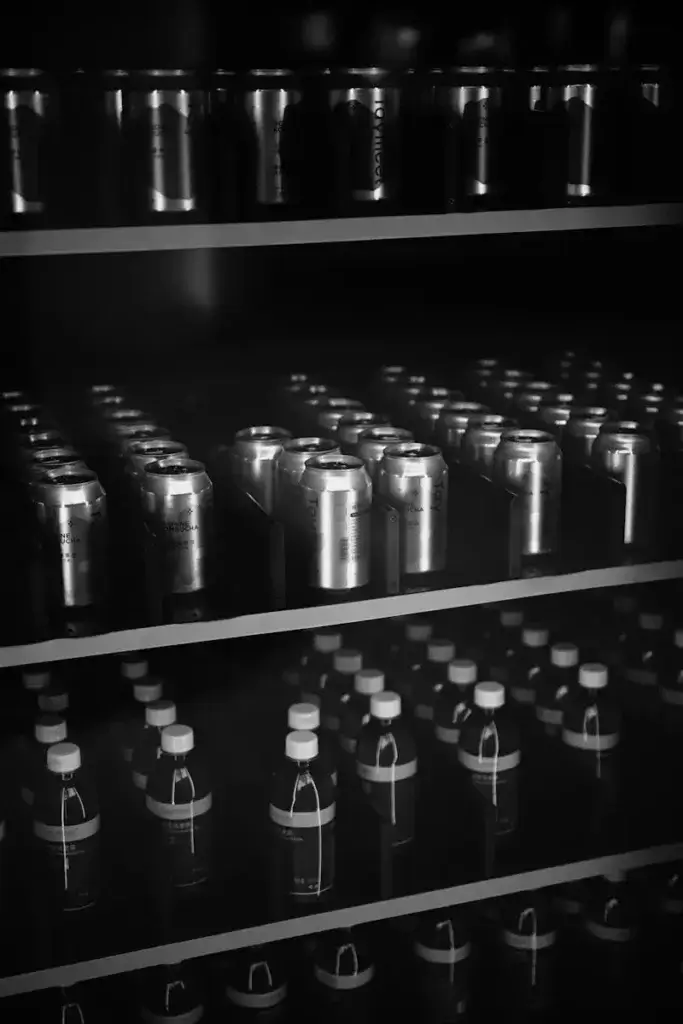
Activated carbon for food and beverage refers to food-grade activated carbon materials — produced and certified to meet international food safety standards , and equivalent national food additive regulations — used in liquid-phase purification processes to remove color, odor, taste, and chemical impurities from food and beverage products during manufacturing.
Activated carbon for food and beverage performs through adsorption — drawing unwanted color bodies, off-flavor compounds, residual chemicals, and process contaminants into its internal pore network while leaving the target product components largely unaffected. It is most widely deployed in sugar decolorization, edible oil bleaching and deodorization, wine and spirits clarification, fruit juice decolorization, citric acid purification, amino acid refining, and pharmaceutical intermediate processing applications where product appearance, flavor integrity, and chemical purity directly determine product quality, marketability, and regulatory compliance.
What distinguishes activated carbon for food and beverage from industrial grades is the stringent control of raw material sourcing, activation chemistry, ash content, heavy metal residues, and extractable organic compounds — ensuring the carbon itself introduces no contaminants into food contact applications and meets the safety requirements of global food regulatory authorities.
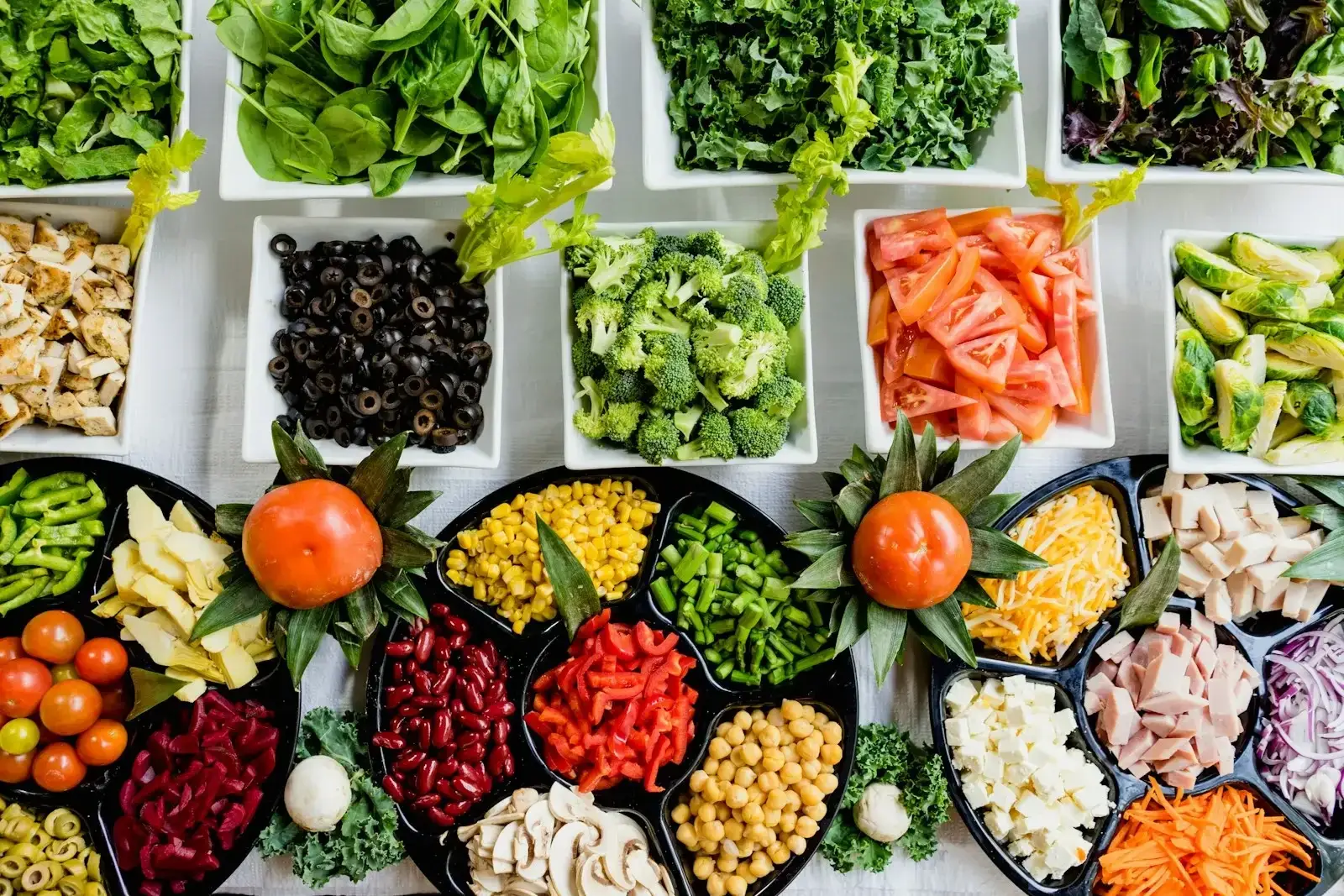
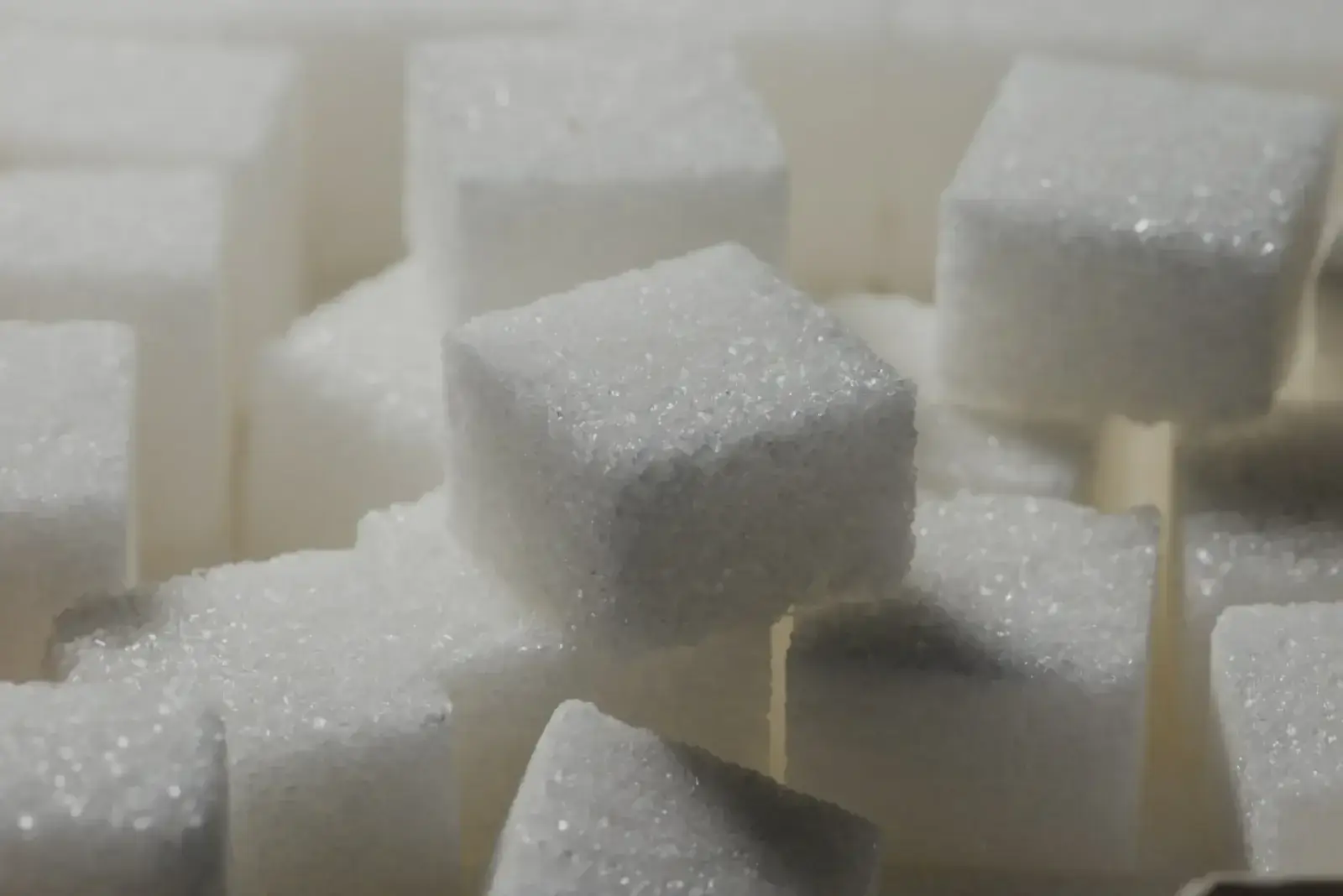
Food and Beverage Applications
Find Right Type Of Activated Carbon
Chemical Material Solutions
Our Advantages About Gas Treatment Activated Carbon
Industry-Leading Decolorization Performance for Premium Product Quality
Activated carbon for food and beverage delivers exceptional color body removal in sugar refining, edible oil bleaching, fruit juice clarification, and wine processing — consistently achieving the high color reduction performance per unit dose that food manufacturers require to meet product appearance specifications and premium market quality standards.
Low Ash and High Purity for Safe Food Contact Applications
Food-grade activated carbon is produced from carefully selected raw materials with rigorous control over ash content, heavy metal residues, and extractable organic compounds — ensuring the carbon introduces no contaminants into food contact processes and meets the direct product contact safety requirements of global food manufacturing standards.
Selective Purification That Preserves Flavor, Aroma, and Nutritional Value
Engineered for high selectivity in food contact applications, food-grade activated carbon removes target color bodies, off-flavor compounds, and chemical residues while minimizing co-adsorption of desirable flavor molecules, vitamins, and bioactive compounds — protecting the sensory quality, nutritional profile, and commercial value of finished food and beverage products.
Packaging & Logistics Services
Secure & Customizable Packaging
The products shall be enclosed in a durable, moistureproof pouch or bulk container, so as to guarantee the cleanliness and completeness of transportation. Customized packing options for special size and handling needs.
Reliable & Flexible Global Shipping
Working with reliable logistic partners, we provide a flexible delivery system for maritime, aerial and land-based cargo. Prompt delivery and safe transport to worldwide destinations.
Dedicated Order & Support Coordination
We offer special support for tracking and documenting from the order validation to the last shipment. Availability of technical and logistical support to guarantee the success of the supply chain experience.
Ready to Find Your Perfect Industrial Solution?
How to Order!
Send us your detailed question, or ask for a quote tailored to your activated carbon requirements.
Inquiry Now!
Related Blogs