
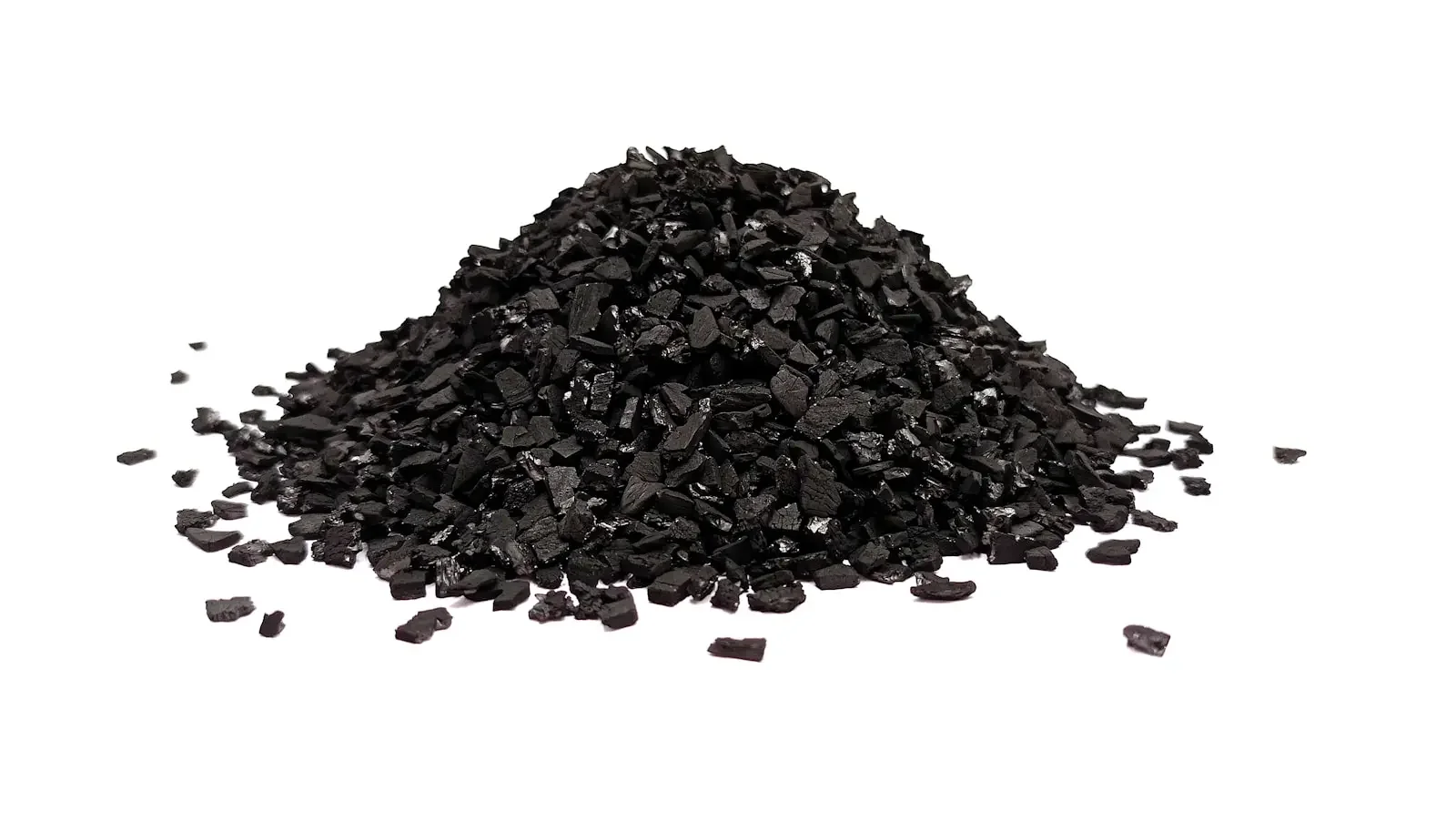
The global industrial landscape is constantly seeking efficient, cost-effective, and sustainable solutions for filtration and purification. Activated carbon, often referred to as activated charcoal, has emerged as one of the most versatile materials in modern engineering. From municipal water treatment plants to complex chemical refineries, this highly porous adsorbent plays a critical role in removing contaminants and recovering valuable substances. Its unique molecular structure allows it to trap a vast array of impurities, making it indispensable in the transition toward greener industrial processes.
Activated carbon is a crude form of graphite with a highly developed internal pore structure and a massive specific surface area, typically ranging from 500 to 1,500 square meters per gram. It is an exceptionally effective adsorbent used primarily for the removal of organic pollutants, odor control, decolorization, and gas phase purification across diverse industrial and environmental sectors.
Understanding the nuances of activated carbon requires a deep dive into its physical chemistry, the raw materials used in its production, and the specific mechanisms that allow it to function at a molecular level. Whether you are an engineer looking to optimize a filtration system or a procurement specialist evaluating carbon media, this guide provides a technical foundation to help you navigate the complexities of carbon adsorption technology.
The Science of Adsorption and the Physical Structure of Activated Carbon
The primary function of activated carbon is based on the principle of physical adsorption, where molecules from a liquid or gas phase are attracted to and held on the internal surface of the carbon through Van der Waals forces. This process is facilitated by a complex network of pores categorized as macropores, mesopores, and micropores, which provide the necessary surface area for molecular entrapment.
Understanding the Pore Hierarchy
The effectiveness of activated carbon is determined by its pore size distribution. Unlike a simple sponge, the internal architecture of carbon is highly specialized. Macropores (diameters greater than 50 nm) act as the “highways” for molecules to enter the carbon particle. Mesopores (diameters between 2 nm and 50 nm) serve as the secondary channels, while micropores (diameters less than 2 nm) provide the vast majority of the functional surface area where the actual adsorption of small molecules occurs.
In a typical high-quality activated carbon, the internal surface area is so expansive that just five grams of the material can have the surface area equivalent to a standard football field. This allows it to capture a wide range of contaminants, including Volatile Organic Compounds (VOCs), chlorine, and heavy metals.
Adsorption vs. Absorption
It is crucial to distinguish between adsorption and absorption. In absorption, the substance (the absorbate) is taken into the bulk of the material, much like water into a sponge. In contrast, adsorption is a surface phenomenon. The molecules are held to the surface of the internal pores by physical attraction. Because this is a surface-based process, the chemical nature of the carbon surface, including the presence of functional groups like carboxyls or phenols, can be modified to target specific chemical species.
Primary Raw Materials and Their Influence on Carbon Performance
Activated carbon can be produced from virtually any organic material with a high carbon content, but the most common commercial precursors include coconut shells, coal (bituminous, sub-bituminous, and anthracite), wood, and peat. Each raw material imparts unique physical characteristics to the final product, such as hardness, pore size distribution, and ash content, which dictate its suitability for specific applications.
Comparison of Common Raw Materials
The choice of raw material is the first step in determining the performance profile of the activated carbon. The following table outlines the differences between the most common sources:
| Raw Material | Primary Pore Type | Hardness | Common Applications |
| Coconut Shell | Microporous | Very High | Water filtration, gold recovery, air purification |
| Bituminous Coal | Meso/Microporous | High | Wastewater treatment, decolorization |
| Wood | Macro/Mesoporous | Low | Large molecule removal, decolorization, chemicals |
| Peat | Mesoporous | Medium | Gas phase, specialized liquid filtration |
Selecting the Right Precursor
Coconut shell-based carbon is highly prized for its superior hardness and high density of micropores. This makes it the gold standard for drinking water applications and the recovery of precious metals from cyanide leach solutions, as it produces minimal “fines” or dust during operation. On the other hand, coal-based carbons offer a broader range of pore sizes, making them more effective at removing a “cocktail” of differently sized organic molecules found in industrial wastewater.
Wood-based activated carbon is typically utilized in the food and beverage industry. Because wood is naturally less dense, the resulting carbon has a very high volume of macropores and mesopores. This allows it to efficiently adsorb large-body color molecules, such as those found in sugar syrups or glycerin, where smaller-pored carbons would quickly become clogged.
The Manufacturing Process: Carbonization and Activation Methods
The production of activated carbon involves two distinct stages: carbonization, where the raw material is thermally decomposed in an oxygen-free environment to remove volatile components, and activation, which uses either steam or chemical agents to “burn out” a network of pores into the carbonized material. This two-step process transforms a dense organic mass into a highly porous technical medium.
Physical Activation (Steam Activation)
Physical activation is the most common method for producing high-quality granular and extruded activated carbons. It involves heating the carbonized material to temperatures between 800°C and 1100°C in the presence of an oxidizing gas, usually steam or carbon dioxide. The steam reacts with the carbon atoms, selectively eroding the structure to create millions of tiny pores.
“The controlled oxidation of carbonized material is a precision process; if the temperature is too low, the pores do not develop, but if it is too high, the carbon burns away entirely, reducing the yield and structural integrity.”
This method is environmentally friendly as it does not rely on harsh chemicals, and the resulting carbon is generally very pure, making it suitable for food-grade and potable water applications.
Chemical Activation
Chemical activation is typically a single-step process where the raw material (often wood or peat) is impregnated with a dehydrating agent, such as phosphoric acid or zinc chloride. The mixture is then heated to lower temperatures (400°C to 700°C). The chemical prevents the material from shrinking during heating and creates a highly developed macropore and mesopore structure. After the thermal process, the chemicals are washed out, leaving behind the porous carbon. This method is preferred for producing powdered activated carbon (PAC) used in large-scale decolorization and heavy industrial purification.
Key Applications of Activated Carbon in Modern Industry
Activated carbon is utilized across an extensive range of sectors, including water treatment, air and gas purification, food and beverage processing, and pharmaceutical manufacturing. Its ability to selectively remove impurities without altering the fundamental properties of the treated medium makes it a versatile tool for both environmental compliance and product quality enhancement.
Water and Liquid Treatment
In the municipal sector, activated carbon is the primary defense against taste and odor compounds like Geosmin and MIB (2-Methylisoborneol). It is also highly effective at removing “forever chemicals” like PFAS (Per- and Polyfluoroalkyl Substances).
- Potable Water: Removing chlorine, chloramines, and organic pesticides.
- Industrial Wastewater: Stripping toxic organic compounds before discharge.
- Gold Recovery: Adsorbing gold-cyanide complexes in Carbon-in-Leach (CIL) circuits.
- Beverage Industry: De-chlorinating water used in soft drinks and beer to prevent off-flavors.
Gas and Air Purification
Activated carbon is essential for controlling emissions and maintaining air quality in closed environments. In industrial settings, it is used in “Scrubbers” to remove VOCs from exhaust gases. In the automotive industry, carbon canisters are used to capture fuel vapors from gas tanks, preventing them from escaping into the atmosphere.
- Personal Protective Equipment: Carbon filters in gas masks protect workers from toxic fumes.
- Biogas Purification: Removing siloxanes and hydrogen sulfide ($H_{2}S$) to protect gas engines.
- Solvent Recovery: Capturing and recycling expensive solvents used in printing and coating industries.
Technical Specifications and Quality Metrics for Evaluating Carbon Media
To ensure optimal performance, activated carbon is evaluated based on standardized metrics such as Iodine Number, Molasses Number, Hardness Number, and Apparent Density. These parameters allow engineers to predict how the carbon will behave in a specific application, ensuring that the media can handle the required flow rates and contaminant loads.
Critical Performance Indicators
When sourcing activated carbon, the following technical specifications are used to define quality and performance:
- Iodine Number: Measured in mg/g, this indicates the micropore content and is a primary indicator of the carbon’s ability to adsorb small molecules. A higher iodine number generally correlates to a higher total surface area.
- Molasses Number: This measures the ability of the carbon to adsorb large molecules from a solution, indicating the mesopore and macropore volume.
- Hardness/Abrasion Number: Crucial for granular carbons, this measures the resistance of the particles to breaking down into dust during backwashing or transport.
- Ash Content: Represents the inorganic residue remaining after the carbon is burned. Lower ash is preferred for high-purity applications to prevent mineral leaching into the treated fluid.
Standardized Testing Methods
Most industrial carbon is tested according to ASTM (American Society for Testing and Materials) standards. For instance, ASTM D2867 covers moisture content, while ASTM D2866 determines ash content. Adhering to these standards ensures that the B2B buyer receives a consistent product that meets the calculated design life of their filtration vessel.
Understanding these metrics is vital for cost-benefit analysis. A carbon with a lower upfront price but a lower Iodine Number may require more frequent replacement, leading to higher long-term operational costs and increased downtime for the facility.
Conclusion
Activated carbon remains a cornerstone of industrial purification due to its unparalleled surface area and structural versatility. By selecting the correct raw material—whether coconut shell for high-purity water or coal for complex wastewater—and choosing the appropriate activation method, manufacturers can tailor the carbon’s pore structure to meet exact specifications. As global environmental regulations become more stringent, the role of activated carbon in capturing pollutants and enabling resource recovery will only continue to grow. Investing in the right grade of carbon is not just an operational necessity but a strategic decision for sustainable industrial management.